Traditional cutting operations in metal and stone fabrication often generate heavy airborne dust and fine particulate splash, elevating PM2.5 exposure and intensifying ESG and workplace compliance pressure. This article explains how the UHD high-performance welded diamond cutting disc 400 reduces dust at the source through environmentally focused structural design—combining a precision cutting edge with an optimized tooth pattern that lowers chip ejection resistance, stabilizes cutting, and minimizes particle scattering. It also highlights practical performance benefits valued on the shop floor, including burr-free, smoother cuts and a service life extended by more than 3× compared with conventional solutions. To validate the mechanism, the article summarizes real customer results across multiple manufacturing sites, showing measurable PM2.5 reductions after adoption along with improved operator feedback. Finally, it outlines supporting actions—optimized RPM settings, optional wet-assist cooling, and routine debris removal—to further enhance dust control and sustain cleaner production outcomes as part of a scalable green manufacturing upgrade.
Reducing Workshop Dust at the Source: Why Diamond Blade Tooth Geometry Matters More Than Another Filter
In many metal and stone workshops, “dust control” is still treated as an afterthought—add a stronger extractor, replace a clogged filter faster, or ask operators to wear heavier PPE. But in 2026, the pressure is different: stricter EHS audits, ESG reporting, and customer compliance requirements are pushing manufacturers to prove measurable improvements, especially around PM2.5 and respirable dust exposure.
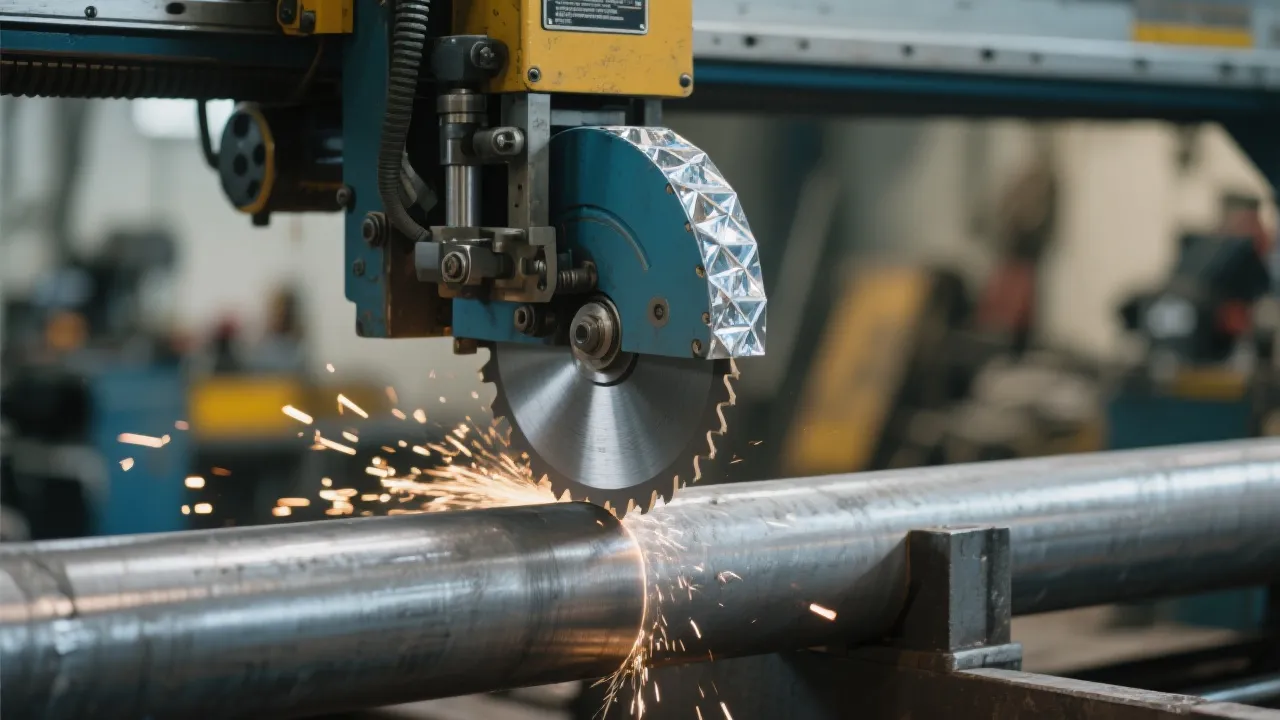
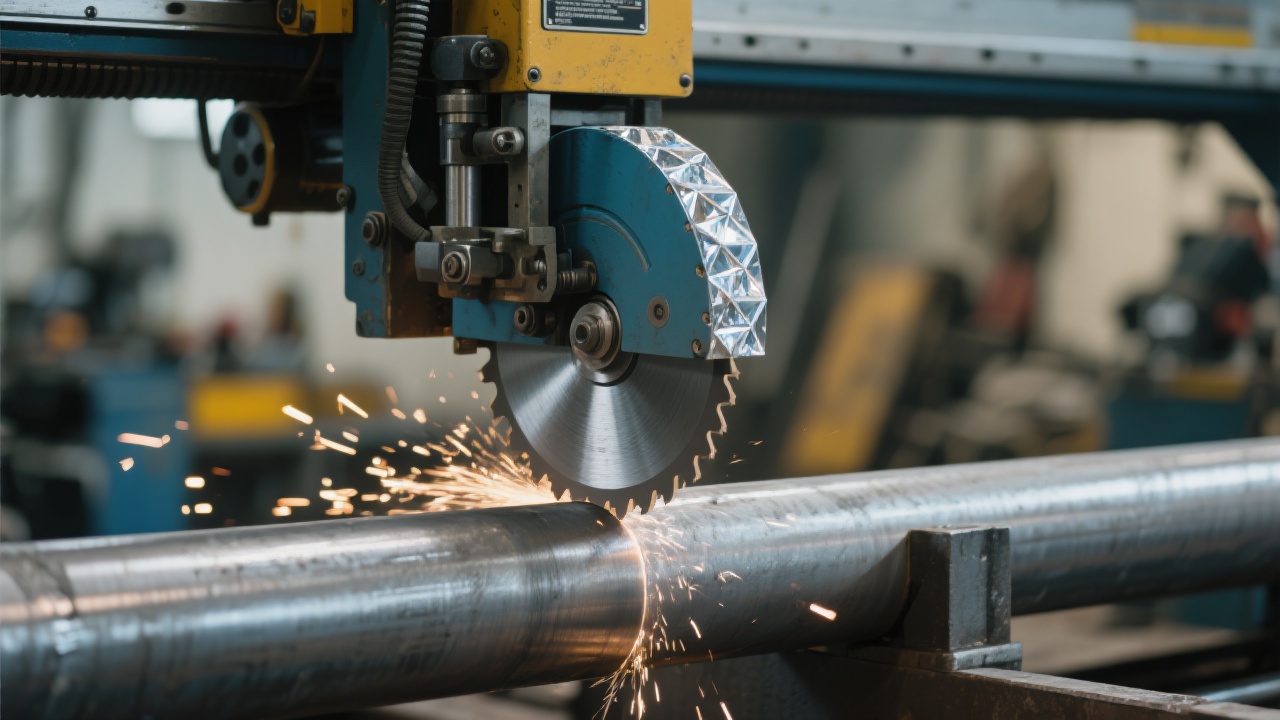
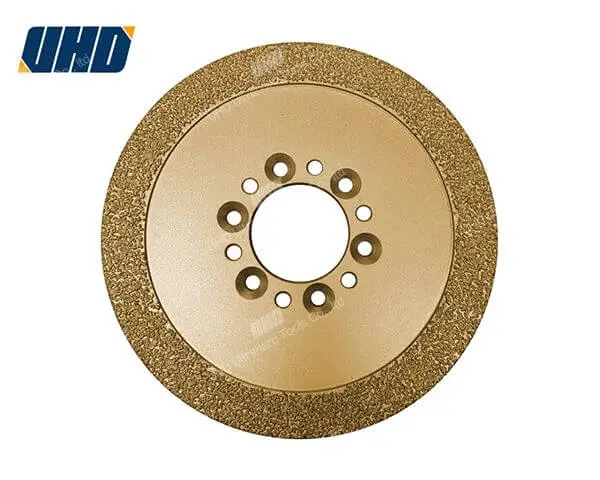
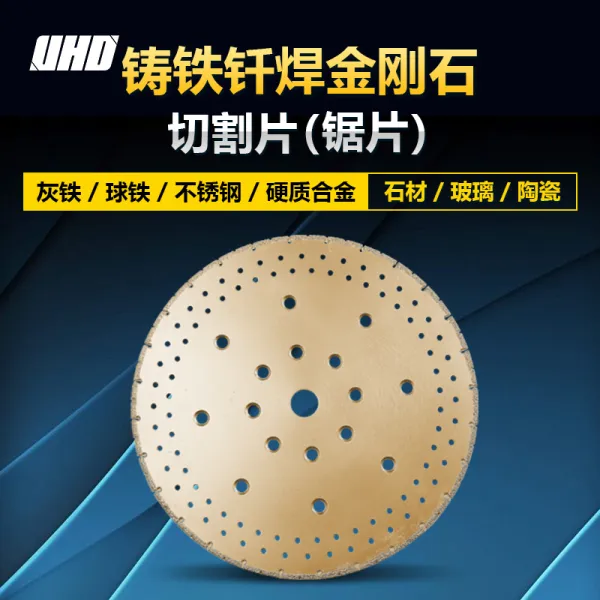
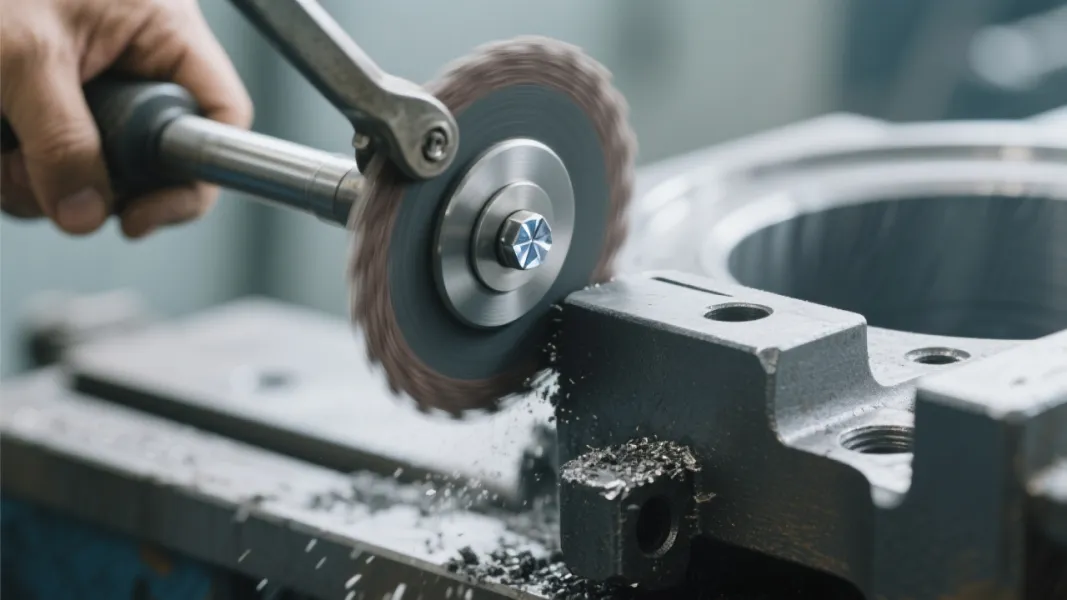
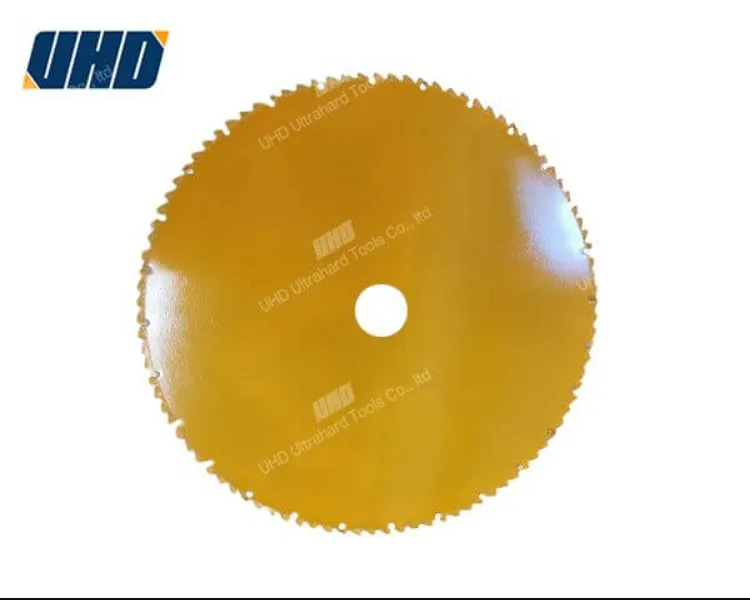
A less discussed lever is also the most direct one: tool design. By optimizing the tooth profile, chip evacuation paths, and cutting-edge precision of a welded diamond cutting blade (such as the UHD high-performance welded diamond cutting blade 400), workshops can reduce dust generation before it becomes an air-cleaning problem.
1) The Real Problem: Dust Isn’t Just “Mess”—It’s Risk, Downtime, and Non-Compliance
Traditional cutting setups often create a predictable chain reaction: aggressive tooth impact → unstable cutting → micro-chipping and abrasive plowing → fine particulate release. The result is not only visible dust, but also invisible respirable particles that accumulate in air and settle on machines, guides, sensors, and electrical cabinets.
Why it shows up on ESG and audits
Facilities increasingly need to document control of respirable dust exposure, housekeeping effectiveness, and corrective actions. If PM2.5 levels spike during peak cutting shifts, “we installed a bigger collector” may not satisfy auditors unless measurable reductions are demonstrated at the source.
Operators also feel it first: throat irritation, eye discomfort, and the perception that the workshop is “dirty” even after cleaning. In practice, this perception influences retention and training costs—experienced operators are less likely to stay in an environment they consider unsafe or uncontrolled.
2) The Mechanism: How Tooth Geometry and Edge Precision Reduce PM2.5 Formation
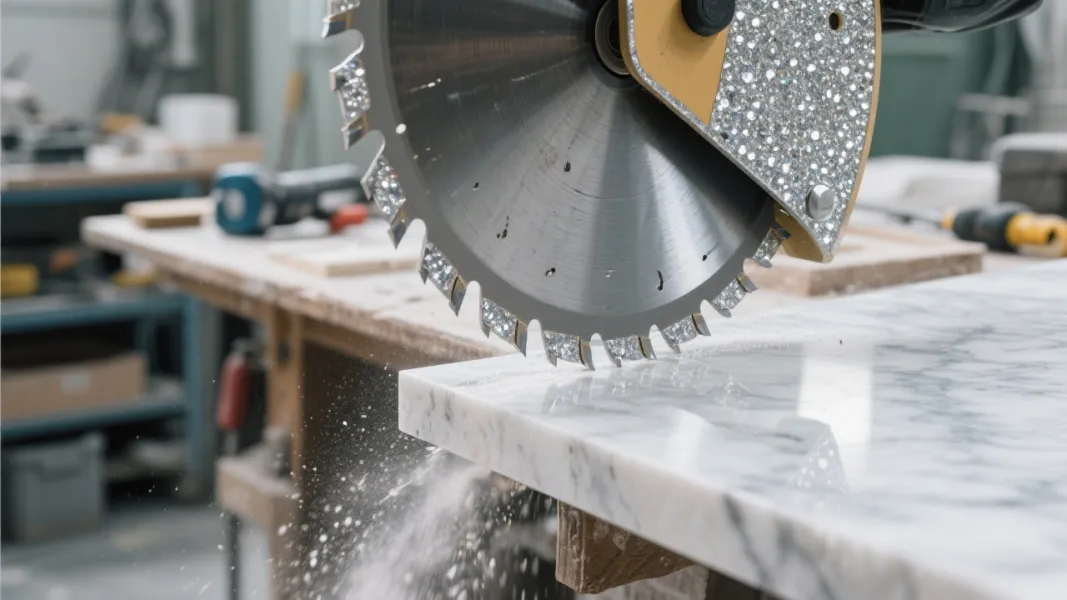
Dust generation in cutting is not random. It usually increases when the blade alternates between “biting” and “skipping,” or when chips cannot exit smoothly. A modern welded diamond blade designed for cleaner production focuses on stabilizing the cut and managing chip flow.
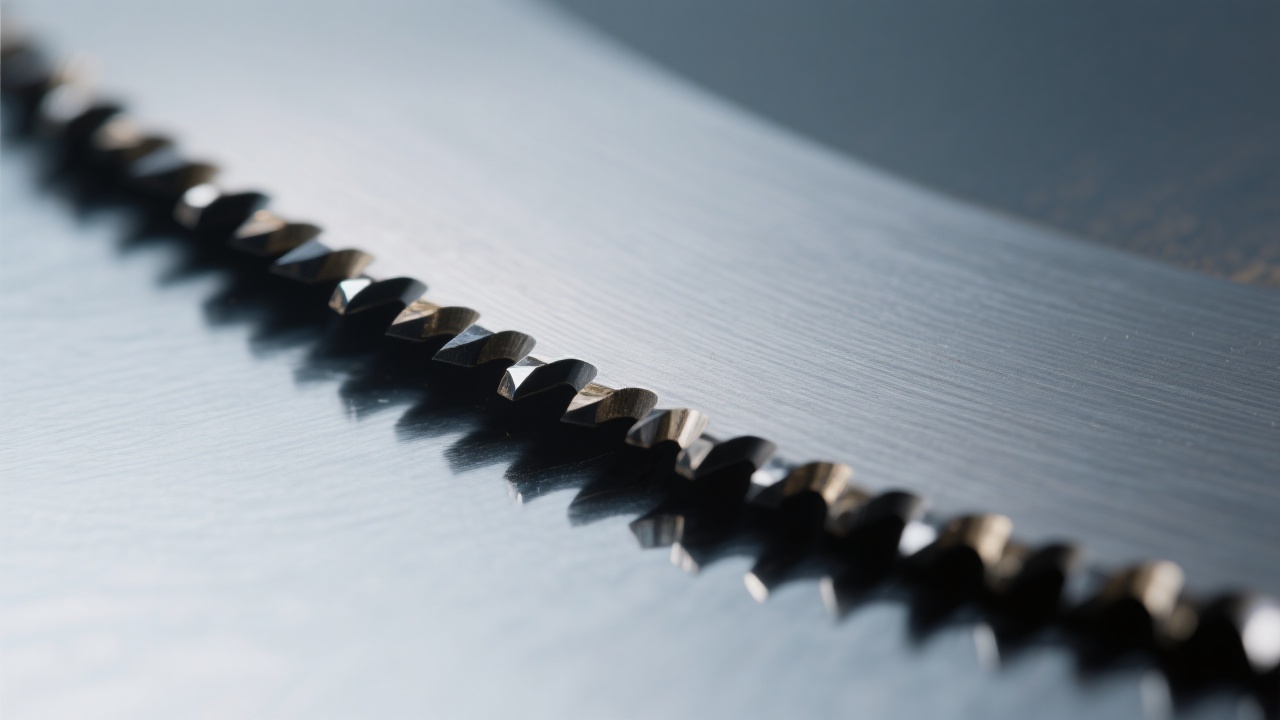
A) Precision cutting edge = less micro-fracture
A more precise cutting edge reduces lateral vibration and micro-chipping. Less vibration means fewer ultra-fine particles produced by repeated abrasive rubbing. In practice, workshops often report smoother cuts with fewer burrs, reducing downstream deburring time and secondary dust.
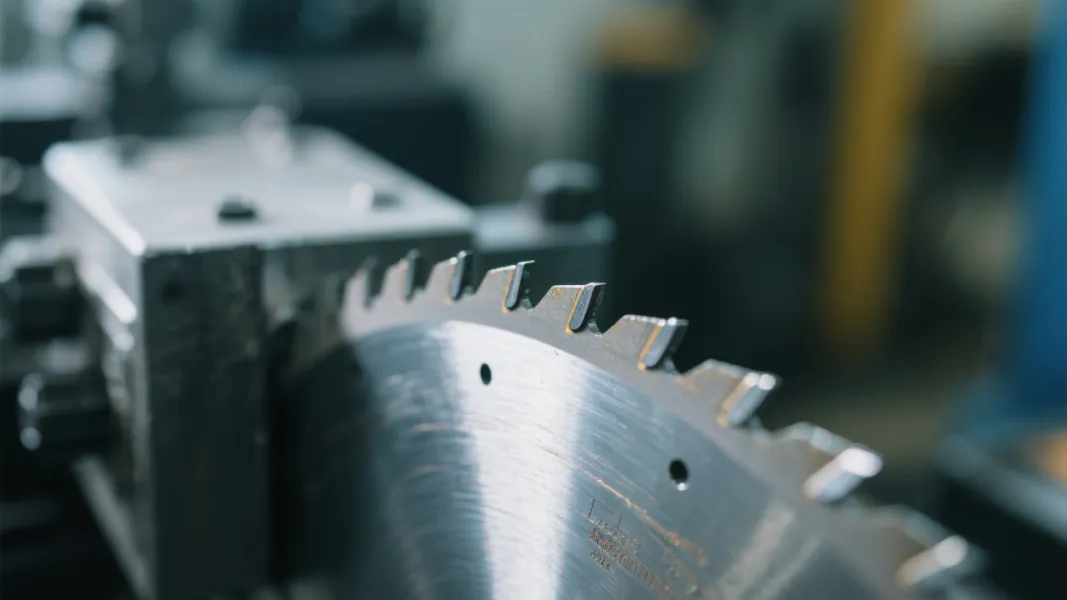
B) Optimized tooth layout = stable load, less “impact dust”
An optimized tooth sequence distributes cutting forces more evenly. That reduces sudden impacts that shatter brittle material or tear metal at the surface—two common sources of PM2.5 spikes during high-feed operations.
C) Chip evacuation channels = lower clogging, lower friction dust
When chips exit efficiently, the blade avoids “re-cutting” debris. Re-cutting is a dust multiplier because it grinds chips into finer particles. Better evacuation also lowers heat buildup, helping the blade maintain consistent performance over longer runs.
For workshops seeking both sustainability and productivity, this design approach delivers a practical combination: less airborne dust, more stable cutting, and longer service intervals. Many users switching to UHD-grade welded blades report service life extending by 3× or more compared to general-purpose blades in similar operating conditions (material, feed, and cooling method considered).
3) Verification: What Real Workshops See After Tooth-Geometry Upgrades
The most credible dust-reduction claims are the ones that come with a measurement method. In field deployments, workshops typically measure PM2.5 near the operator breathing zone (or at fixed points around cutting cells), comparing baseline vs. post-change performance across similar shifts.
Reference results (PM2.5 reduction after switching to optimized tooth geometry)
Industry
Material & process
Baseline PM2.5
After upgrade
Reduction
Metal fabrication
Stainless sections, dry cutting, local extraction
95–120 μg/m³
55–75 μg/m³
~35–45%
Stone processing
Engineered stone, wet assist cooling
140–190 μg/m³
70–105 μg/m³
~40–55%
Construction product plant
Concrete components, mixed batch cutting
110–160 μg/m³
65–95 μg/m³
~35–45%
Measurement reference: portable PM2.5 meters placed near operator zone and at fixed points around the cutting cell, averaged over comparable production shifts. Actual results vary with material hardness, feed rate, cooling method, and extraction layout.
Customer feedback (field quote)
“The difference wasn’t just the monitor reading—operators noticed it immediately. Less visible haze during peak cutting hours, smoother feed, and fewer burr-related touch-ups. The workshop felt easier to keep clean.”
4) From Tool Upgrade to Cleaner Production: What to Do Next (Action Checklist)
Optimized tooth geometry reduces dust at the source, but the best outcomes come from pairing the blade with process discipline. The goal is to prevent secondary dust creation caused by overheating, clogging, or unstable cutting.
A) Control RPM and feed—avoid friction-dust zones
Excess RPM with insufficient feed can turn cutting into polishing, increasing fine particulate. As a practical starting point, many workshops see steadier dust performance by reducing RPM 8–15% while maintaining consistent feed pressure, then fine-tuning based on chip shape and temperature.
B) Add wet-assist cooling where feasible
Even a controlled mist or low-flow wet assist can significantly reduce airborne dust by binding particles early. In stone and concrete cutting, wet-assist commonly delivers an additional 15–30% PM2.5 reduction on top of geometry improvements—when runoff control and slip safety are managed.
C) Prevent buildup: scheduled cleaning beats emergency fixes
Resin, metal fines, or slurry residue can change the effective tooth profile and increase clogging. A simple routine—inspect every shift change and deep-clean weekly—helps maintain low resistance chip evacuation and stable cutting behavior.
D) Measure what matters: before/after PM2.5 plus operator notes
Pair PM2.5 readings with a short operator checklist (visibility, smell, throat irritation, burr rate, cut stability). Many plants find that combining numbers with human feedback accelerates internal buy-in and speeds standardization across lines.
A Practical Upgrade with Long-Term Payoff
Cleaner production does not always require rebuilding the entire dust collection system. For many facilities, the fastest measurable improvement comes from choosing a blade engineered to cut more predictably: less impact, less re-cutting, and lower evacuation resistance. That’s where optimized tooth geometry and high-precision edges move from “nice-to-have” to a credible environmental control.
Ready to cut dust at the source—without sacrificing throughput?
Explore how the UHD High-Performance Welded Diamond Cutting Blade 400 can deliver smoother, burr-reduced cuts and help extend blade life by 3×+ under the right parameters—while supporting measurable PM2.5 improvement on your line.
Best for EHS-led improvement projects, production line upgrades, and plants preparing for audits or customer compliance reviews.
In workshops where operators cut all day, the most convincing “green manufacturing” change is the one people can feel in the air, see on the floor, and verify on a monitor—shift after shift.