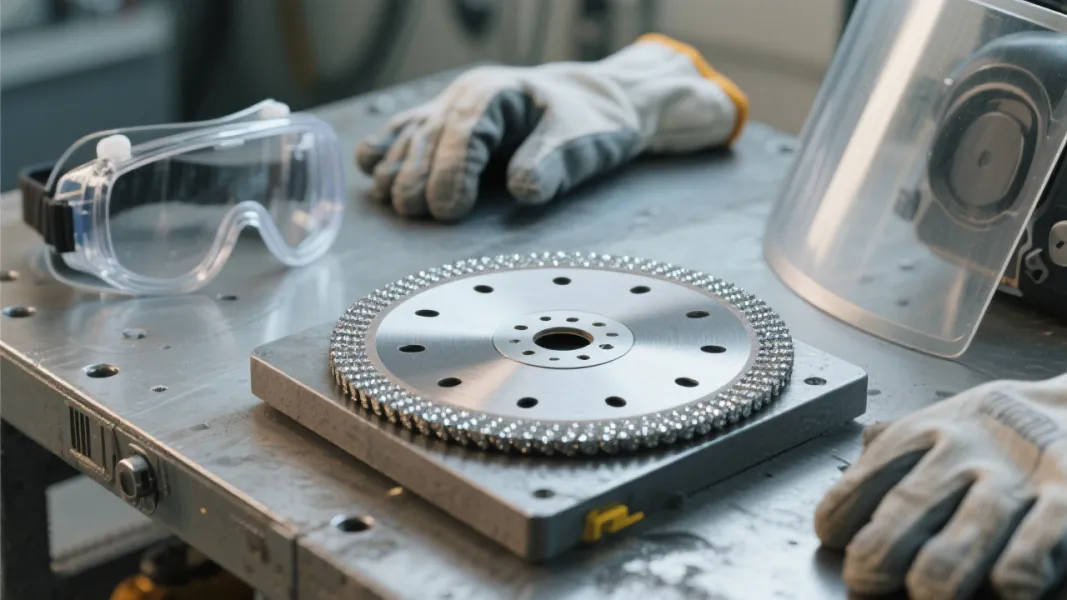
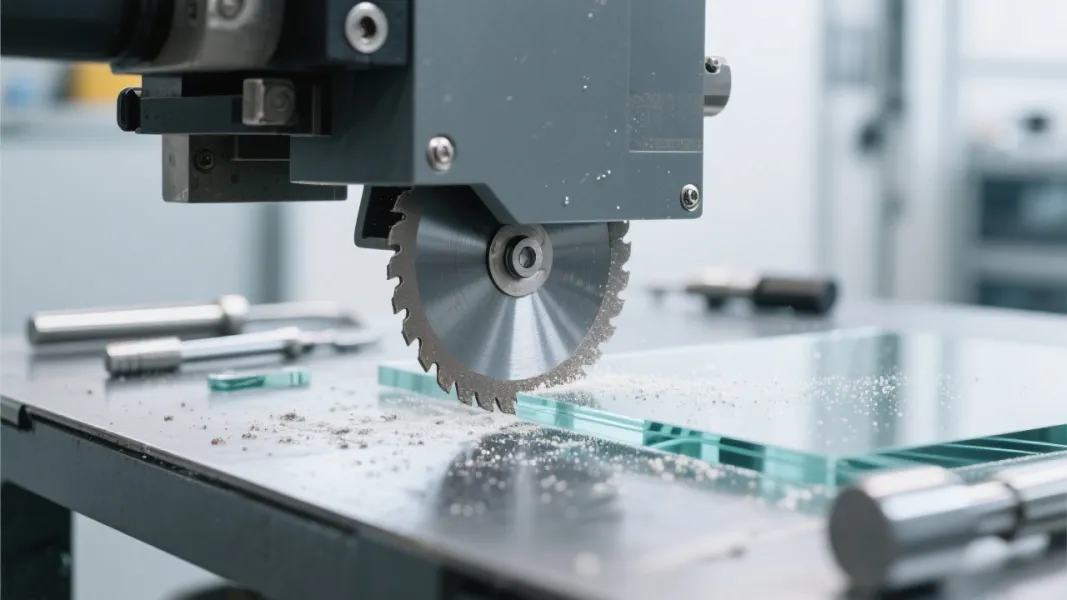
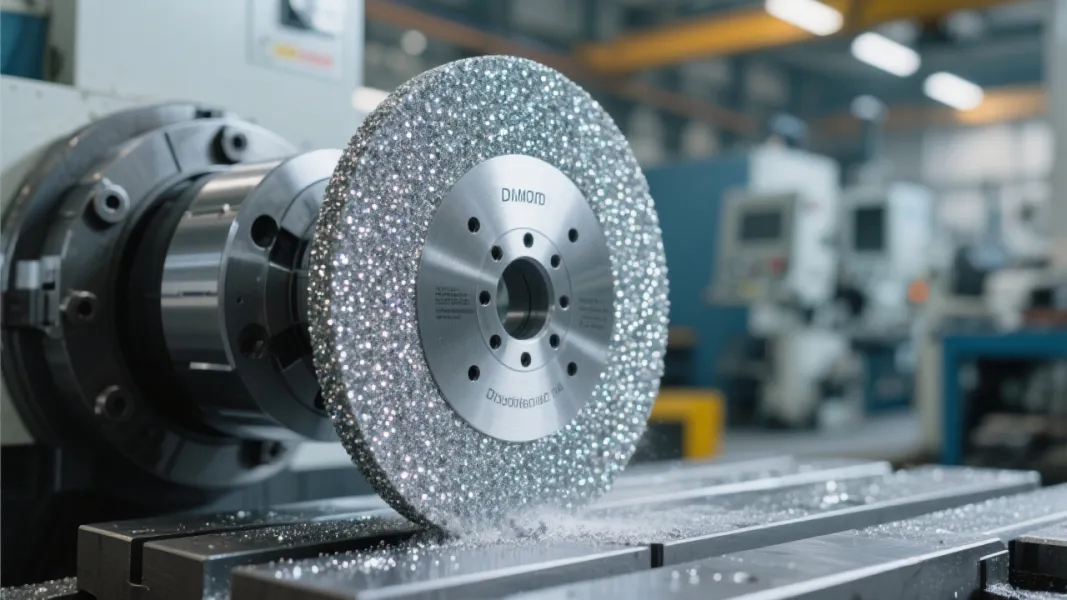
In the cutting process of cast iron and cemented carbide, manufacturers often encounter a series of challenges. Firstly, the cutting efficiency is extremely low. Traditional cutting tools struggle to penetrate these hard materials effectively, resulting in long processing times. Secondly, the rapid wear of cutting tools is a major headache. The high hardness of cast iron and cemented carbide causes significant abrasion to the cutting edges, leading to frequent tool replacements. Additionally, the working environment is often poor due to large amounts of dust generated during the cutting process, which not only affects the health of workers but also pollutes the surrounding environment.
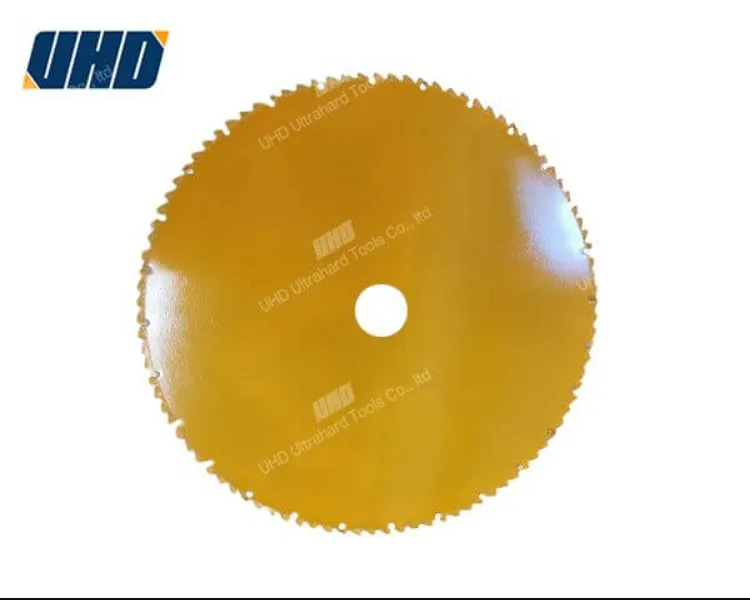
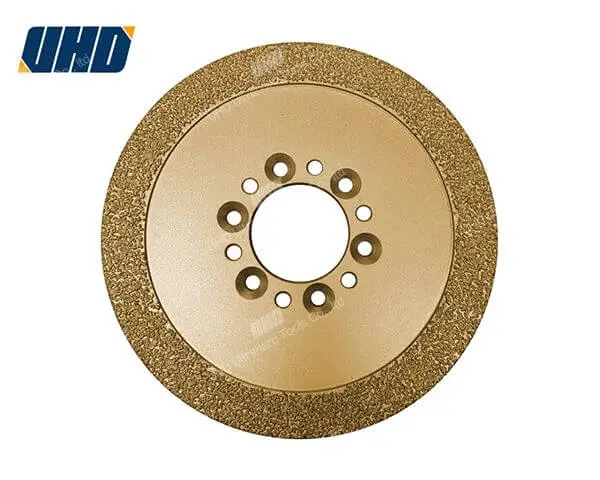
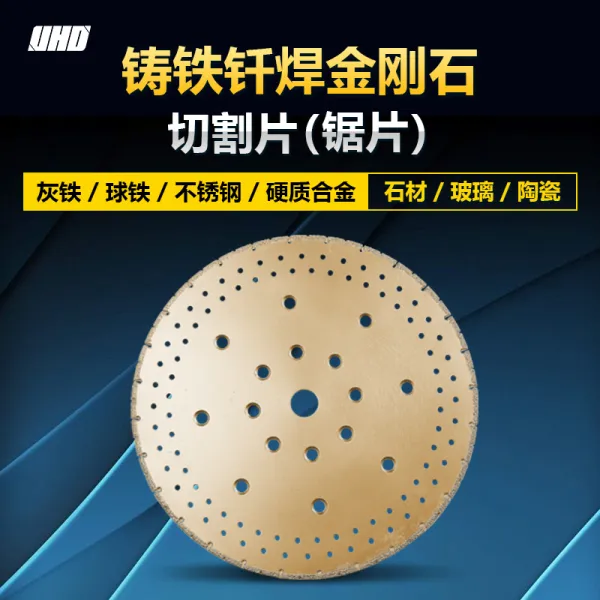
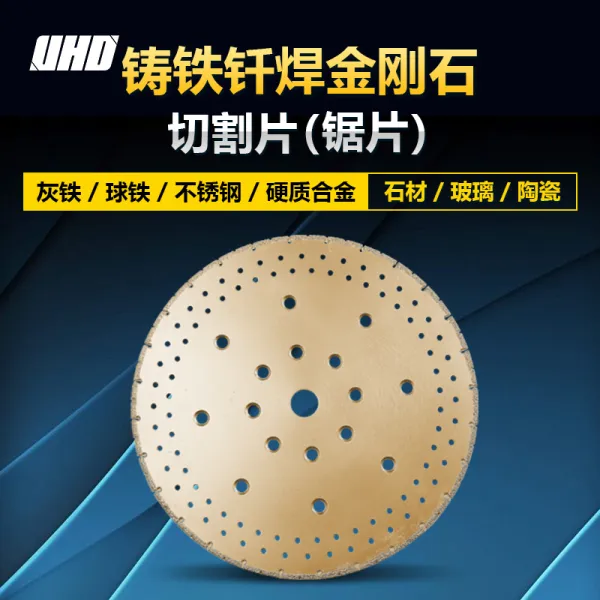
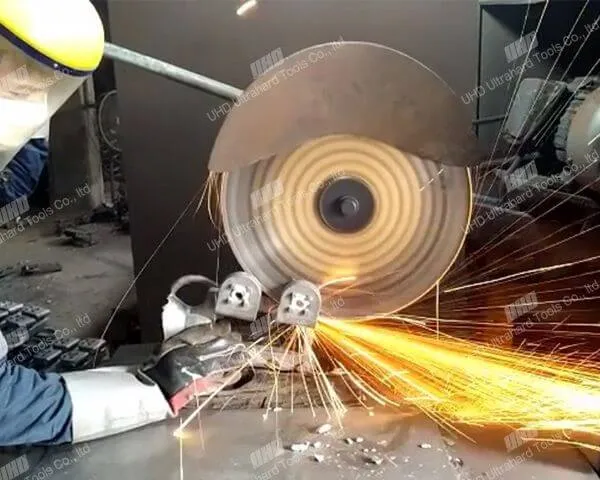
The ZS400H brazed diamond saw blade stands out with its remarkable features. It is equipped with highly wear - resistant diamond particles, which can withstand the high - intensity friction during the cutting of cast iron and cemented carbide. The ultra - thick manganese steel substrate provides strong support, ensuring the stability of the saw blade during operation. This combination of high - quality materials enables the ZS400H saw blade to have a longer service life and better cutting performance compared to ordinary saw blades.
To achieve optimal cutting results, it is crucial to set the appropriate cutting parameters according to different materials. For example, when cutting gray cast iron, a relatively high line speed and a moderate feed rate are recommended. The following table shows the recommended cutting parameters for different materials:
| Material Type | Line Speed (m/min) | Feed Rate (mm/r) |
|---|---|---|
| Gray Cast Iron | 80 - 120 | 0.1 - 0.2 |
| Stainless Steel | 60 - 100 | 0.08 - 0.15 |
| Ductile Cast Iron | 70 - 110 | 0.09 - 0.18 |
| Cemented Carbide | 50 - 90 | 0.07 - 0.12 |
Proper installation and centering of the saw blade are essential for its long - term performance and the safety of the equipment. Incorrect installation can lead to uneven stress distribution on the saw blade, causing premature wear and even breakage. It can also result in abnormal vibrations of the equipment, which may damage other components. Therefore, it is necessary to follow the correct installation procedures and use appropriate tools to ensure accurate centering.
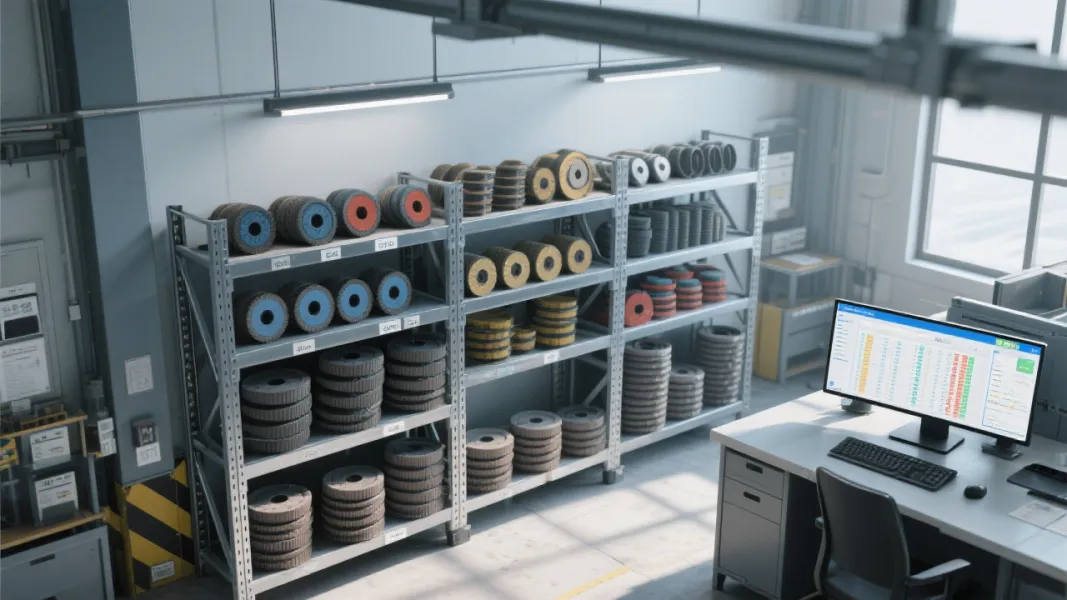
Regular maintenance is crucial for extending the service life of the ZS400H saw blade. Firstly, anti - rust treatment should be carried out regularly, especially in a humid environment. Secondly, vibration monitoring is necessary. Abnormal vibrations may indicate problems with the saw blade or the equipment, and timely inspection and adjustment are required. Finally, it is important to determine the appropriate replacement time. When the saw blade shows signs of excessive wear or damage, it should be replaced promptly to avoid affecting the cutting quality and equipment safety.
A machinery factory once faced severe challenges in cutting cast iron and cemented carbide. After using the ZS400H saw blade and optimizing the cutting parameters, they achieved remarkable results. According to the factory manager, "Since we started using the ZS400H saw blade, our cutting efficiency has increased by more than 32%, and the machine downtime has been reduced by 40%. This has significantly improved our production efficiency and saved a lot of costs."
We understand that you may have some questions about the ZS400H saw blade. Here are some common questions and answers:
A: First, check if the saw blade is installed correctly and centered. Then, inspect the equipment for any loose parts. If the problem persists, it is recommended to contact our technical support team.
A: While it is mainly designed for cast iron and cemented carbide, it can also be used for some other hard materials. However, the cutting parameters need to be adjusted accordingly.
Are you still struggling with the cutting problems of cast iron and cemented carbide? The ZS400H brazed diamond saw blade is your ideal solution. Click here to visit our official website and get the technical manual for more detailed information!

 366
|
366
|
 stainless steel cutting efficiency
diamond saw blade selection guide
brazed diamond saw blades
cutting parameter optimization
saw blade maintenance tips
stainless steel cutting efficiency
diamond saw blade selection guide
brazed diamond saw blades
cutting parameter optimization
saw blade maintenance tips
 244
|
["industrial diamond cutting tools"
"customized diamond cutting solutions"
"high-precision metal machining tools"
"durable industrial cutting equipment"
"enhancing production efficiency with advanced cutting tools"]
94
|
Stainless steel cutting
Diamond saw blade
Brazed saw blade
Cutting parameter optimization
Industrial manufacturing cutting technology
244
|
["industrial diamond cutting tools"
"customized diamond cutting solutions"
"high-precision metal machining tools"
"durable industrial cutting equipment"
"enhancing production efficiency with advanced cutting tools"]
94
|
Stainless steel cutting
Diamond saw blade
Brazed saw blade
Cutting parameter optimization
Industrial manufacturing cutting technology
 302
|
Brazed diamond saw blade
Cutting efficiency optimization
Noise and vibration control
Stone processing cutting
Construction project saw blade parameters
33
|
eco-friendly diamond blades
low-dust cutting technology
diamond segment design
industrial dust control
green manufacturing solutions
302
|
Brazed diamond saw blade
Cutting efficiency optimization
Noise and vibration control
Stone processing cutting
Construction project saw blade parameters
33
|
eco-friendly diamond blades
low-dust cutting technology
diamond segment design
industrial dust control
green manufacturing solutions