If you're managing a construction project—whether it’s high-rise demolition, floor grinding, or bridge repair—you know that choosing the right concrete saw blade isn’t just about size. It's about matching the tool to your job conditions: material hardness, depth of cut, and whether you’re dry-cutting or wet-cutting.
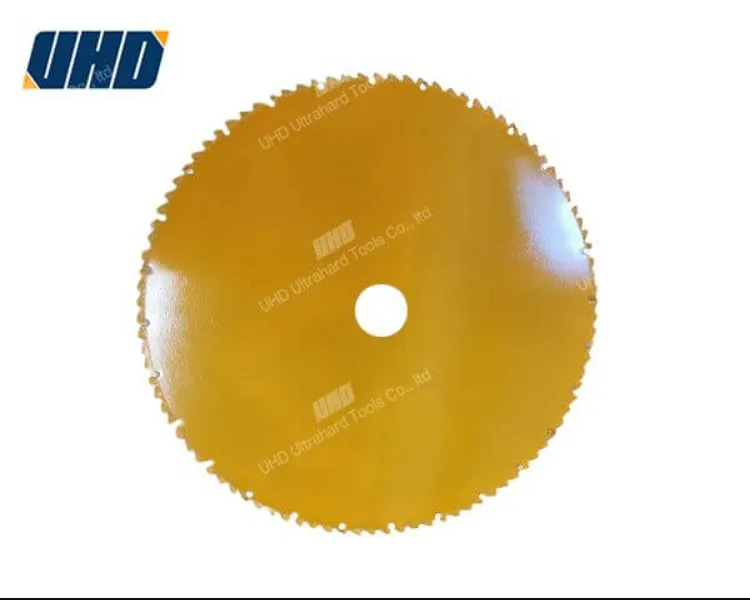
A 400mm diameter blade offers an ideal balance between portability and cutting power. In real-world applications:
| Application | Typical Use Case | Recommended Blade Type |
|---|---|---|
| High-Rise Demolition | Cutting reinforced concrete slabs up to 600mm deep | Brazed diamond with segmented rim (e.g., 400H series) |
| Floor Grinding | Surface leveling on industrial floors (3–10mm depth) | Continuous rim blade with fine grit |
| Bridge Repair | Precise cuts in precast segments (200–400mm depth) | Segmented blade with wear indicators |
“In our Dubai bridge rehab project, switching from traditional welded blades to brazed ones reduced downtime by 30%—especially when working in tight spaces.” — Ahmed Khalifa, Site Supervisor, Al-Farabi Construction
While both methods attach diamond segments to the steel core, brazing uses a filler metal alloy at ~850°C—lower than traditional welding (~1,200°C). This minimizes thermal stress on the diamond particles, which means:
This makes brazed blades like those from 优德超硬工具有限公司's 400H series especially suitable for projects where consistency and safety matter most—not just speed.
Don’t wait until the blade stops cutting—watch for these signs:
For jobs over 4 hours, always use water cooling—even if the manufacturer says it’s optional. You’ll save more in blade replacements than in water costs.
Whether you're a contractor in Germany needing precision, a foreman in Saudi Arabia dealing with harsh environments, or a manager in the U.S. optimizing labor efficiency—choosing the right blade is one of the smartest investments you can make today.
Get Your Free 400mm Brazed Diamond Blade Selection Checklist →