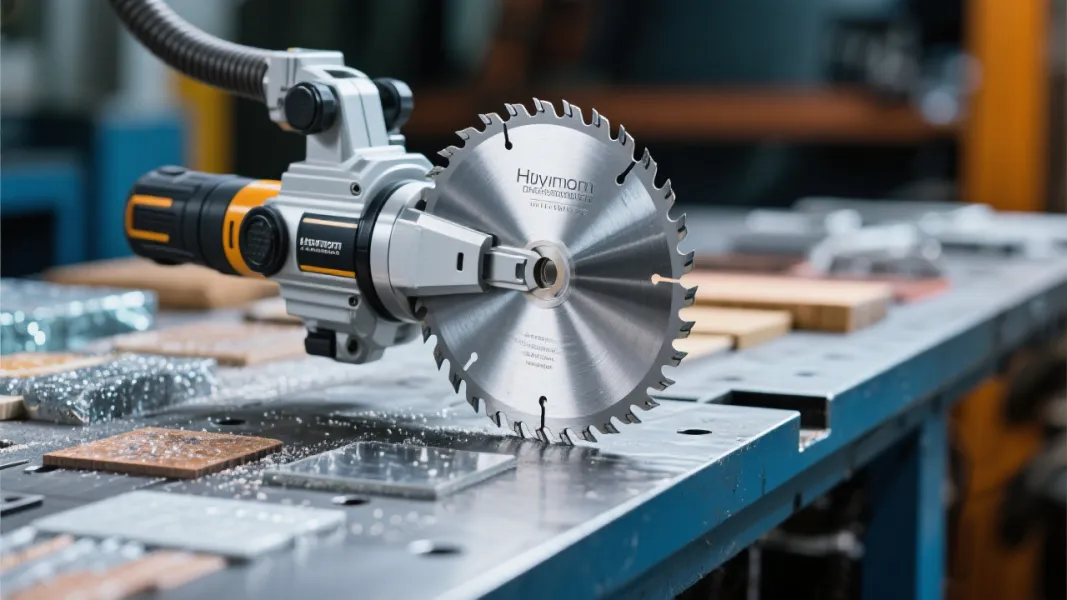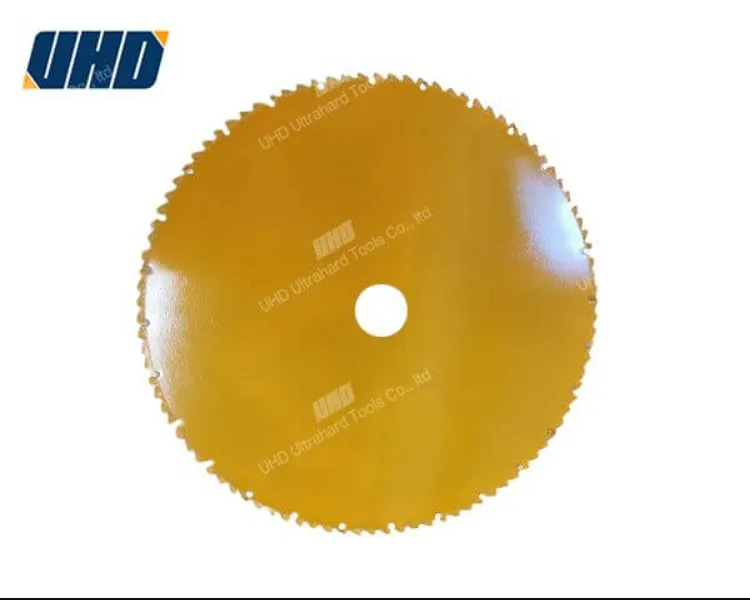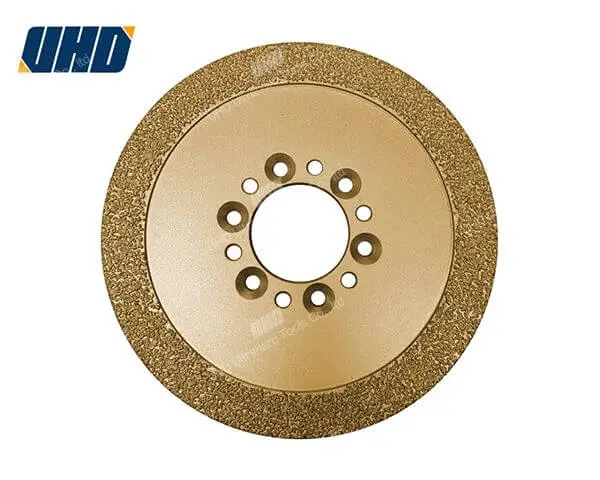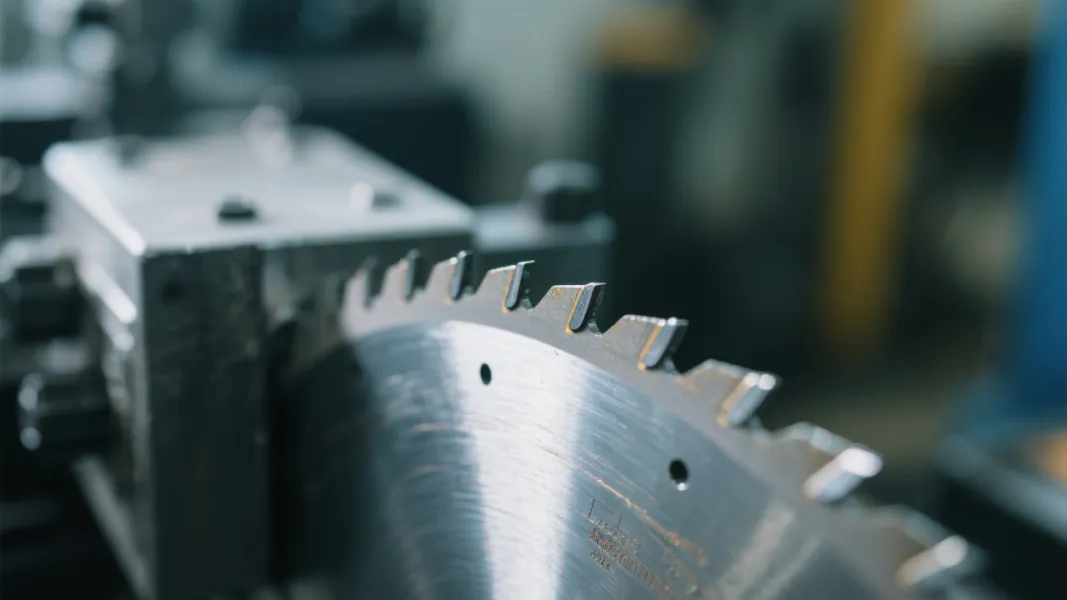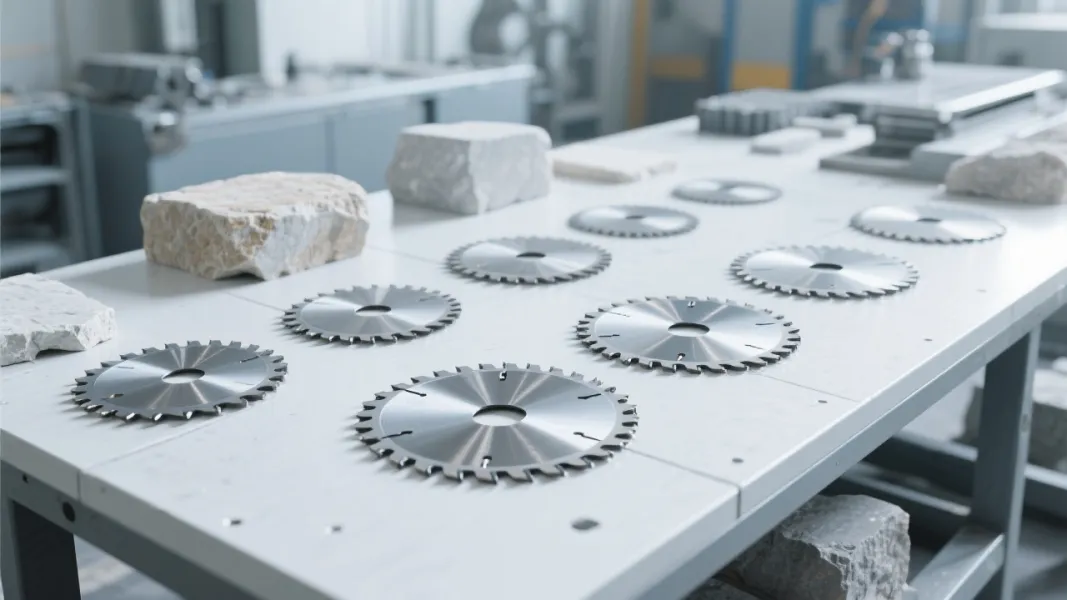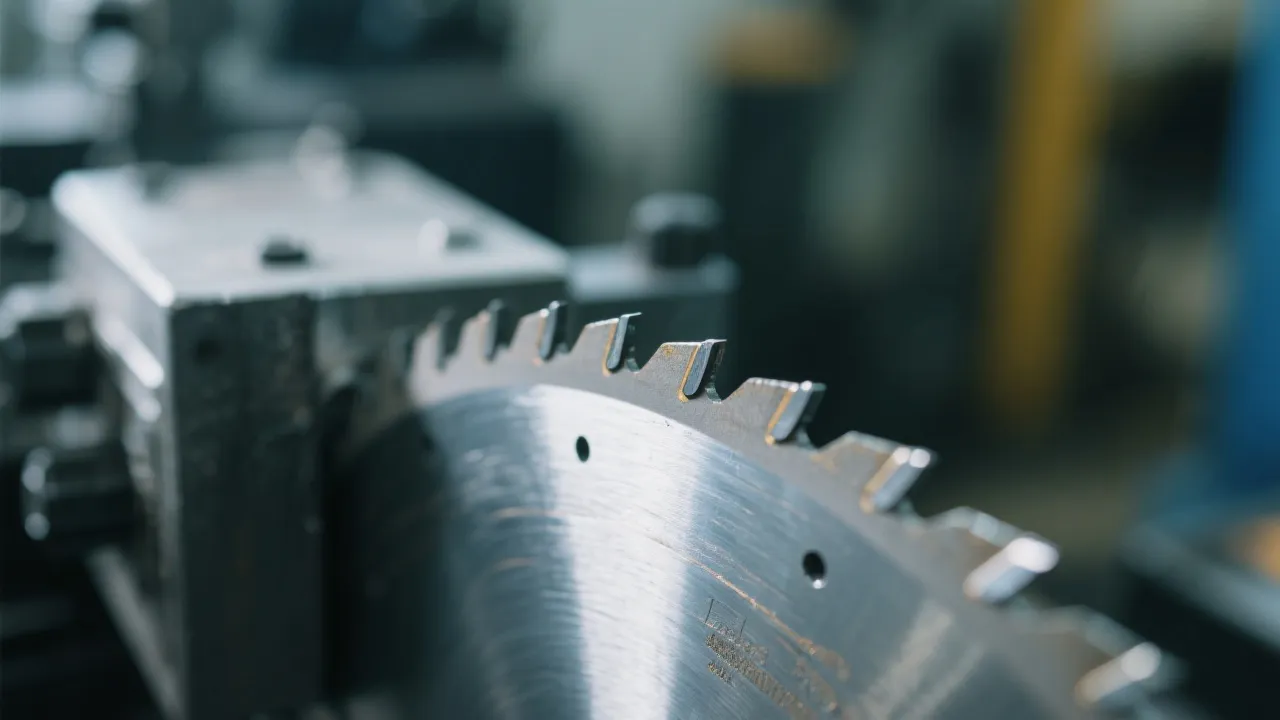
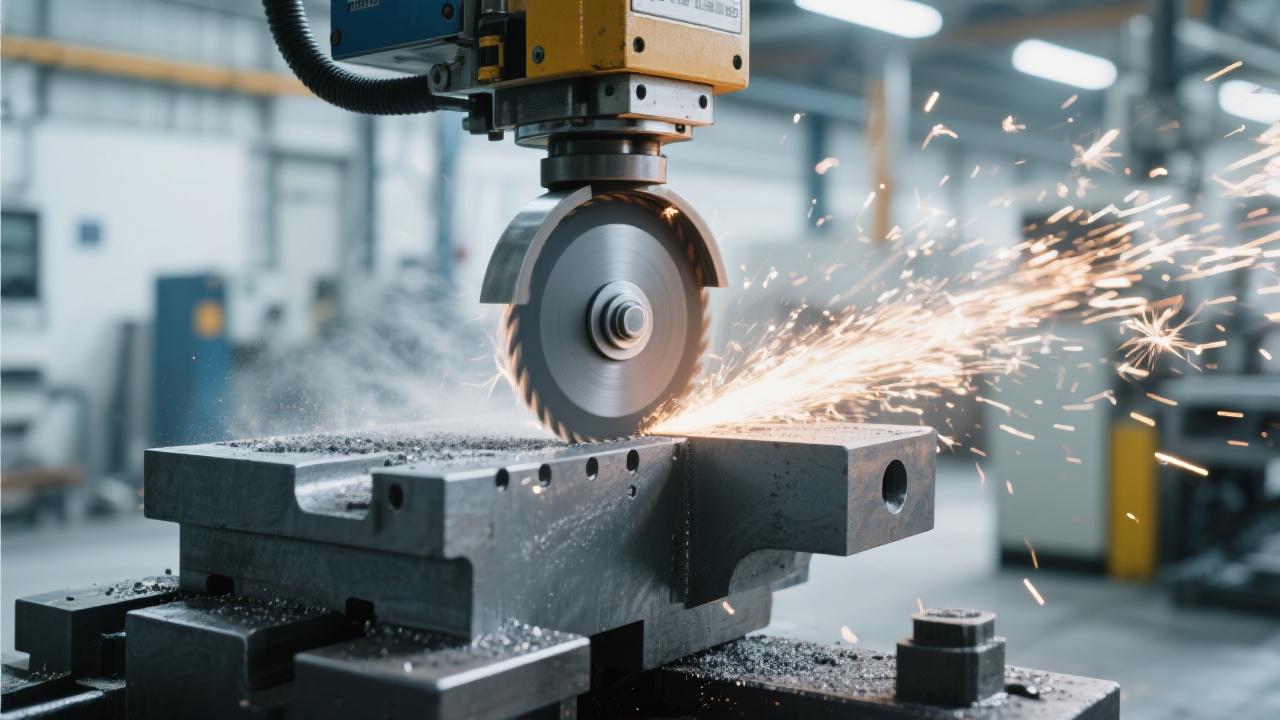
Dust generation during hard alloy cutting represents a significant challenge in modern metalworking, adversely impacting operator health and operational efficiency. Understanding the root causes and implementing advanced control measures is paramount for manufacturers aiming to meet stringent green manufacturing standards. This technical guide delves into the powdery residue formation linked to hard alloy materials and demonstrates how UHD’s ZS400H brazed diamond saw blades integrate cutting-edge design elements—such as high-density diamond grit, precision tooth geometry, and a reinforced manganese steel substrate—to reduce dust emission at its source.
Hard alloys, characterized by their tungsten carbide matrix and cobalt binder, exhibit exceptional hardness and brittleness. During cutting, micro-fractures and edge chipping inevitably produce fine particulate matter. Conventional blade wear exacerbates this effect, as abrasive degradation leads to more fragmented particles entering the air. The combination of material hardness and tool wear presents a complex dust control challenge, necessitating proactive cutting tool innovation rather than relying solely on downstream filtration systems.
Traditional carbide-tipped saw blades, while robust, lack tailored tooth geometry and grit density optimized for dust suppression. Their substrate materials often allow blade flex and vibration during cutting, further pulverizing hard alloy chips. As a result, airborne dust concentration remains high despite dust extraction systems. Manufacturing environments face elevated health risks and compliance difficulties under occupational exposure limits such as those outlined in GB/T 18831-2002 for hazardous dust control.
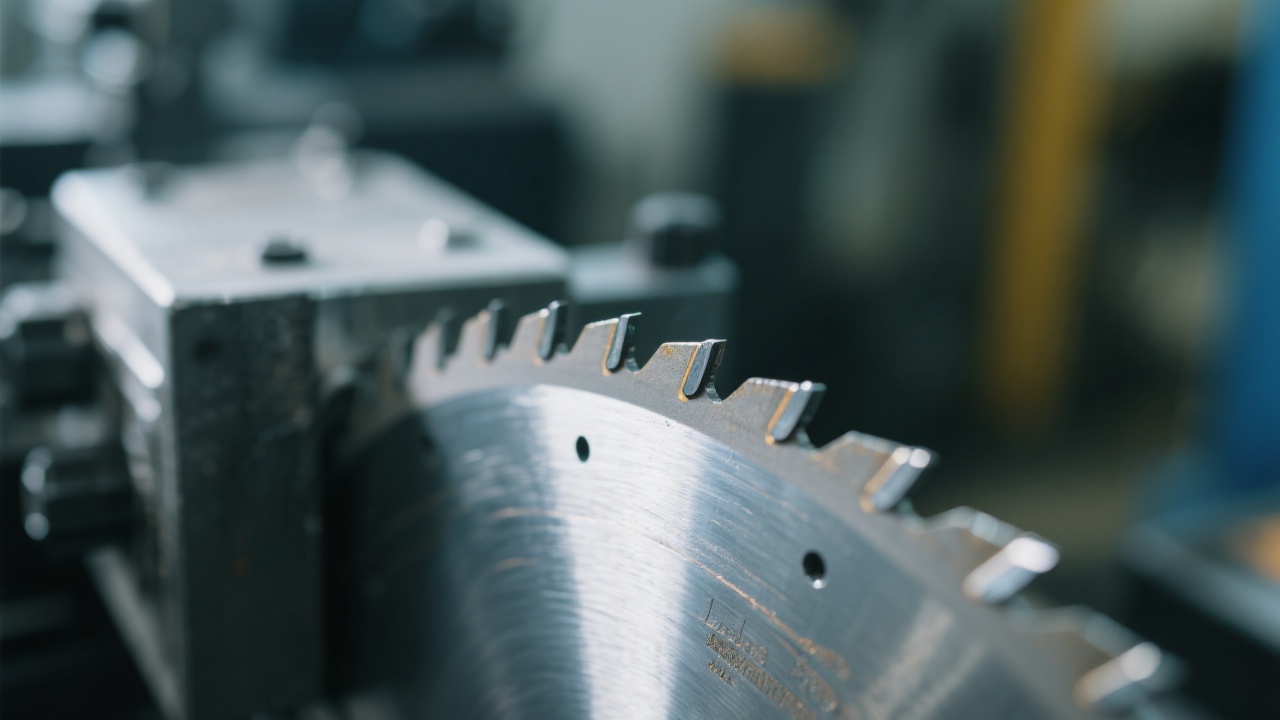
UHD’s ZS400H saw blade distinguishes itself through a triad of technical innovations:
These integrated features enable the ZS400H blade to tackle dust creation proactively, fulfilling environmental and occupational safety goals.
Besides tool selection, controlling operational parameters offers significant dust reduction potential:
Case studies indicate dust particle concentration dropped by over 40% when optimal parameters were implemented alongside ZS400H tooling compared to legacy setups.
International industrial health policies increasingly advocate for source emission reduction instead of relying on endpoint dust collection. UHD’s approach exemplifies this progressive philosophy, combining advanced tooling and process parameter tuning to create inherently cleaner cutting operations. Such upstream interventions reduce maintenance costs, lower worker exposure, and align with green manufacturing commitments demanded by global supply chains.
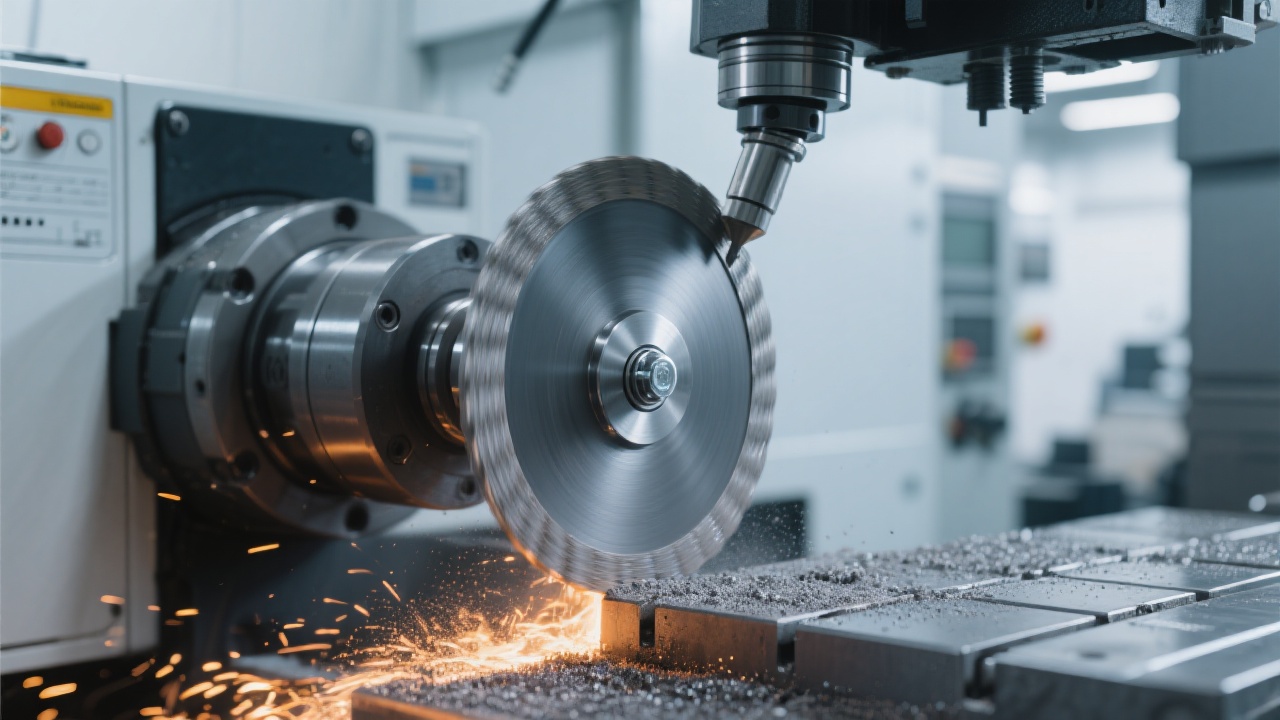
Users are encouraged to periodically evaluate their current blade conditions and cutting protocols:
These steps empower enterprises to proactively reduce airborne hazards, safeguard workforce health, and optimize production efficiency.

 267
|
267
|
 Brazed diamond saw blade
Industrial cutting efficiency improvement
Stainless steel cutting techniques
Saw blade service life extension
Machinery factory case sharing
378
|
Brazed diamond saw blade
Cast iron cutting solution
Cemented carbide cutting efficiency
Saw blade parameter optimization
Industrial cutting tool
170
|
eco-friendly diamond saw blade
low-dust cutting technology
green manufacturing solutions
diamond blade performance
cutting dust control
313
|
brazed diamond blade
cutting parameter optimization
industrial cutting efficiency
linear speed setting
feed rate adjustment
395
|
stainless steel cutting efficiency
brazed diamond saw blade
diamond grit technology
cutting parameter optimization
blade edge maintenance
Brazed diamond saw blade
Industrial cutting efficiency improvement
Stainless steel cutting techniques
Saw blade service life extension
Machinery factory case sharing
378
|
Brazed diamond saw blade
Cast iron cutting solution
Cemented carbide cutting efficiency
Saw blade parameter optimization
Industrial cutting tool
170
|
eco-friendly diamond saw blade
low-dust cutting technology
green manufacturing solutions
diamond blade performance
cutting dust control
313
|
brazed diamond blade
cutting parameter optimization
industrial cutting efficiency
linear speed setting
feed rate adjustment
395
|
stainless steel cutting efficiency
brazed diamond saw blade
diamond grit technology
cutting parameter optimization
blade edge maintenance