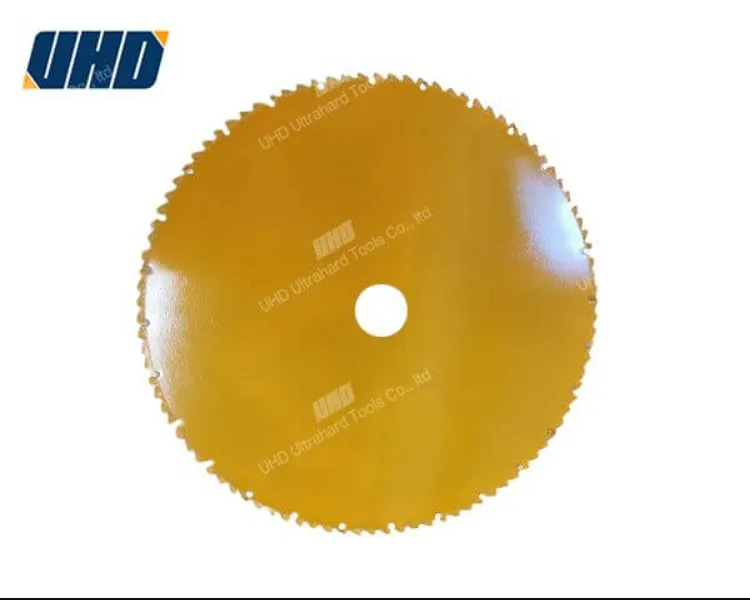
When it comes to bridge maintenance and concrete cutting, selecting the right saw blade is crucial. Several key factors significantly influence the performance of saw blades, including material hardness, cutting depth, and the operating environment (dry cutting or wet cutting). For instance, harder materials like high - strength concrete demand saw blades with superior abrasion resistance. If the cutting depth is large, the saw blade needs to have sufficient strength and stability to prevent breakage during the cutting process. As for the operating environment, dry cutting requires saw blades that can withstand high temperatures, while wet cutting allows for better heat dissipation but may pose challenges to the blade's corrosion resistance.
The 400mm saw blade has become a top choice in bridge maintenance for several reasons. Firstly, it offers high wear resistance. Thanks to its advanced manufacturing technology and high - quality materials, the 400mm saw blade can maintain sharpness over a long period of use, reducing the frequency of blade replacement. This not only saves costs but also improves work efficiency. Secondly, it produces low vibration and noise. During the cutting process, excessive vibration can affect the cutting accuracy and even cause damage to the equipment. The 400mm saw blade is designed to minimize vibration, providing a more stable and quiet working environment. Additionally, it is compatible with a variety of working conditions. Whether it is used for cutting different types of concrete or in different cutting depths and environments (dry or wet), the 400mm saw blade can perform well.
Let's take a look at some real - world case studies to understand the performance of 400mm saw blades. In a high - rise building demolition project, the 400mm saw blade was used to cut through thick concrete walls. It completed the cutting task 30% faster than traditional saw blades, with a smoother cutting surface and less dust generation. In a floor treatment project, the 400mm saw blade showed excellent adaptability to different floor materials, achieving high - precision cutting and improving the overall quality of the floor treatment. In a bridge crack repair project, the saw blade's high wear resistance and stability ensured accurate cutting along the cracks, facilitating subsequent repair work. According to a bridge project team feedback: "Using the 400mm saw blade, we increased the cutting efficiency by 35% and reduced the blade replacement frequency by 40%."
The brazing process represents a significant upgrade compared to traditional welding in saw blade manufacturing. In terms of stability, brazed saw blades have a stronger bond between the diamond segments and the blade body. This reduces the risk of segment detachment during high - speed cutting, ensuring a more stable cutting process. Regarding service life, brazed saw blades can last up to 50% longer than traditional welded saw blades. This is because the brazing process better preserves the integrity of the diamond segments, allowing them to maintain their cutting performance for a longer time. In terms of cutting efficiency, brazed saw blades can cut at a faster speed, reducing the overall cutting time by approximately 20%.
Identifying blade wear is essential for ensuring cutting quality and safety. When the cutting speed slows down significantly, the cutting surface becomes rough, or there is abnormal noise during cutting, it may indicate that the blade is worn. As for the cooling strategy, in dry cutting, using air - cooled systems or adding cooling agents can help reduce the temperature of the saw blade. In wet cutting, ensure a continuous and sufficient water supply to effectively dissipate heat and prevent the blade from overheating.
More customers have achieved efficient and safe operations with this saw blade. Click here to view the detailed application scenarios.