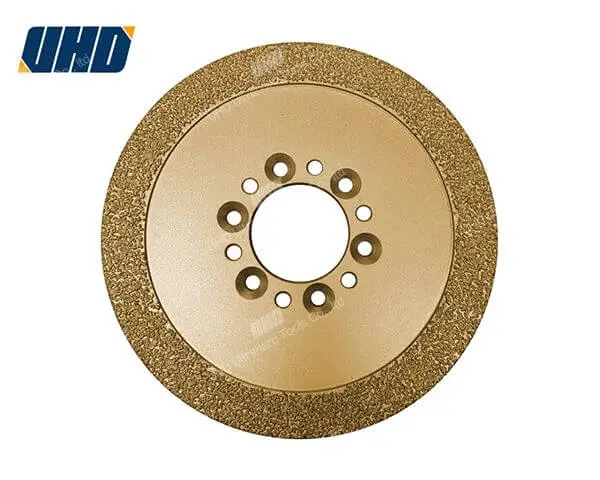
Stainless steel remains one of the most challenging materials to cut in industrial manufacturing—especially when precision, speed, and tool longevity are critical. While resin-bonded diamond blades have long been the go-to choice for general applications, recent advancements in brazing technology and high-grade diamond particles are shifting the balance toward superior performance.
Traditional resin-bonded blades typically offer lower thermal stability—around 150°C before degradation—and can experience rapid wear when cutting stainless steel at speeds above 30 m/s. In contrast, brazed diamond blades maintain structural integrity up to 400°C due to their metal matrix (usually copper-tungsten alloy), which significantly reduces blade deformation under heat stress.
| Feature | Resin-Bonded | Brazed Diamond |
|---|---|---|
| Max Operating Temp | ~150°C | ~400°C |
| Tool Life (Avg. Cuts) | 50–100 cuts | 300–500 cuts |
| Safety Risk (Heat Buildup) | High | Low |
For stainless steel cutting, operators should match blade type with machine settings: use a rotational speed between 3000–4500 RPM for brazed blades versus 1500–2500 RPM for resin ones. A feed rate of 0.1–0.3 mm per tooth maximizes both edge sharpness retention and material removal efficiency. These parameters reduce frictional heat buildup by up to 40%, extending blade life by over 3x compared to suboptimal setups.
Maintenance matters just as much as setup. Regular cleaning with compressed air after each shift prevents swarf accumulation that accelerates wear. For extended use, inspect the blade’s bonding layer every 50 cuts—if cracks appear or diamonds show signs of premature loss, it's time for replacement rather than repair.
A case study from a European automotive parts manufacturer showed a 67% reduction in downtime after switching from resin to brazed blades for stainless steel tube cutting. Their average blade change interval increased from once every 2 days to once every 10 days—an improvement that directly translated into higher throughput and fewer labor hours spent on maintenance.
Whether you're evaluating options for a new project or optimizing an existing workflow, understanding how advanced diamond particle grading (typically 50–100 mesh) and brazing methods impact real-world outcomes is essential. The data speaks clearly: brazed diamond blades deliver not only better technical performance but also measurable cost savings over time.
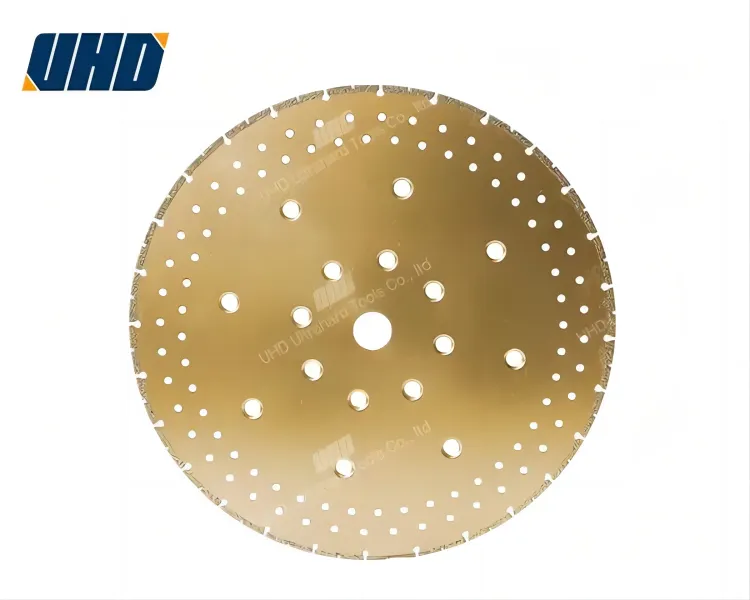
Explore our range of brazed diamond blades engineered for stainless steel—designed for durability, safety, and consistent performance across global industries.
Get Technical Support & Product Info




.png?x-oss-process=image/resize,h_600,m_lfit/format,webp)