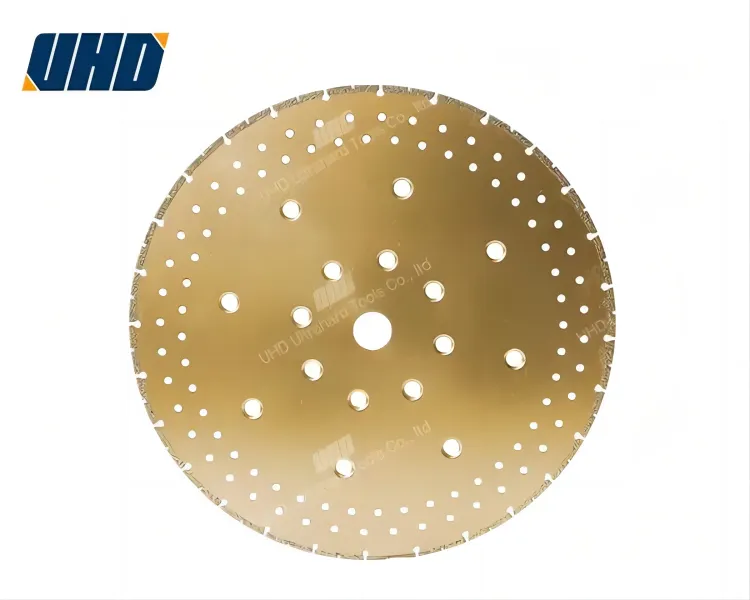
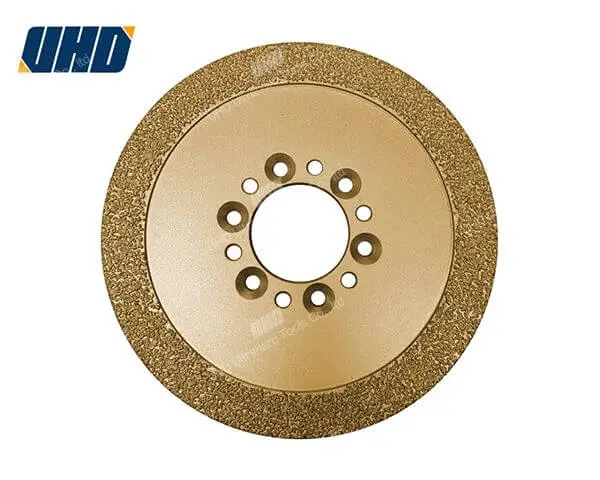
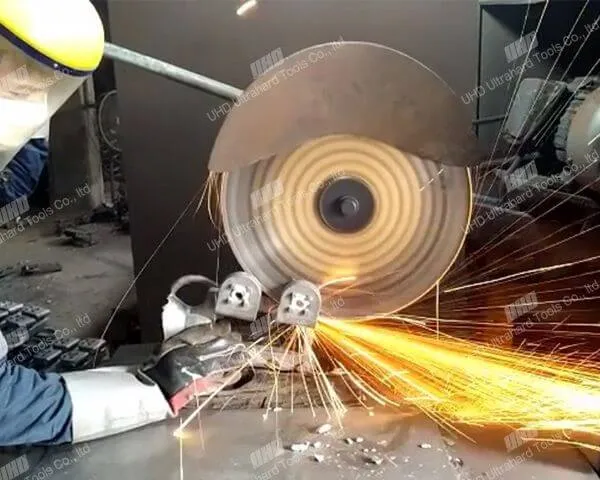
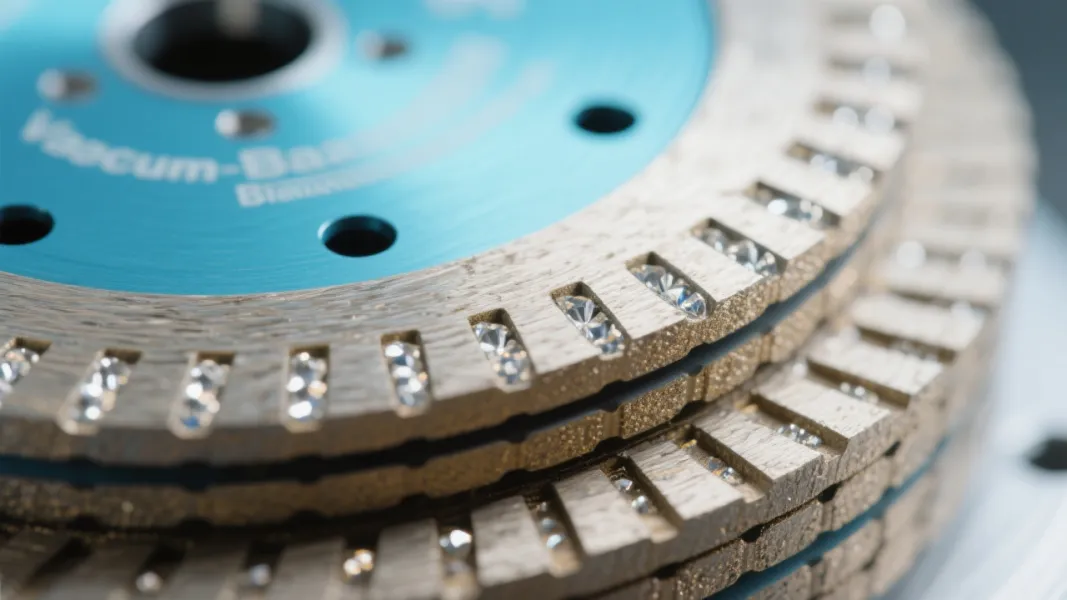
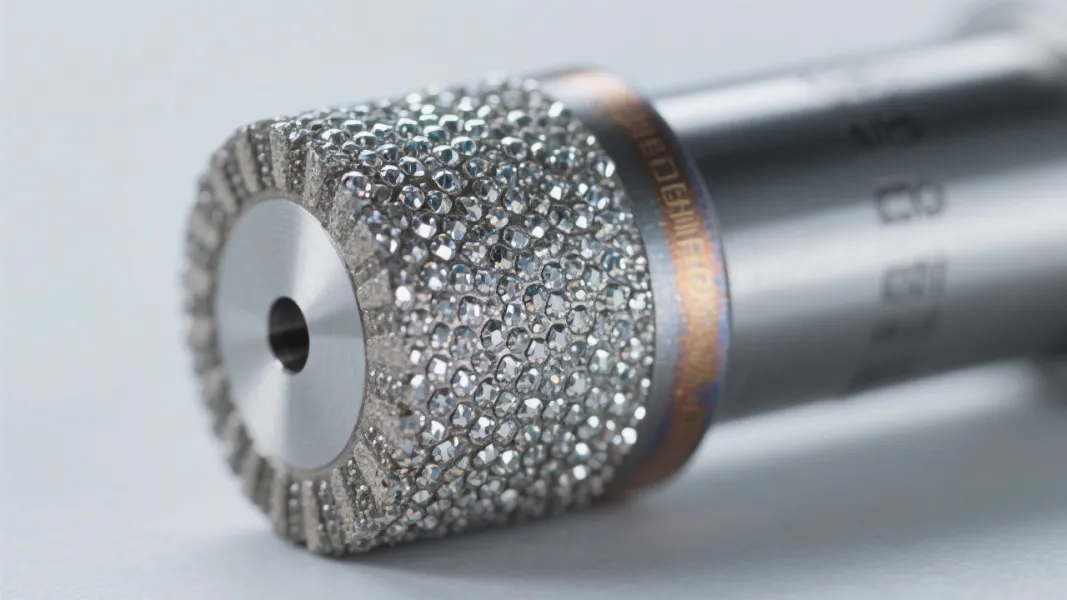
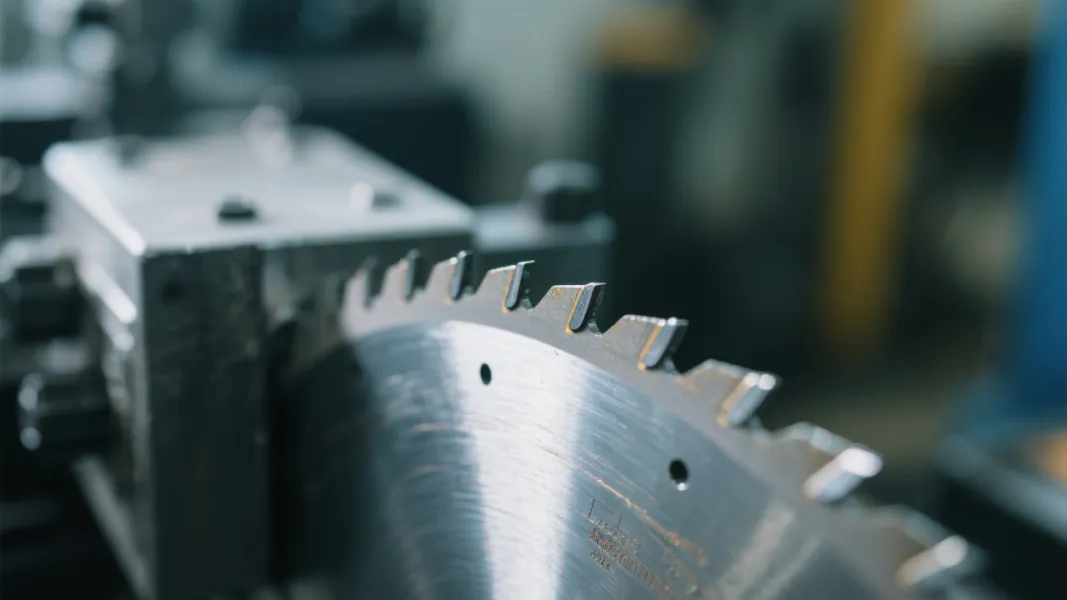
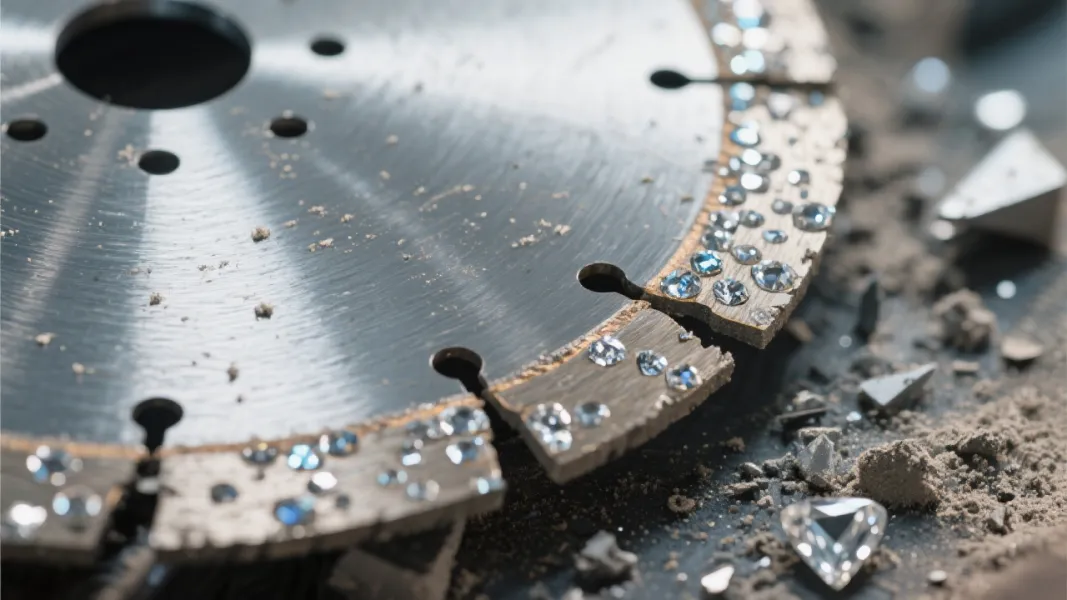
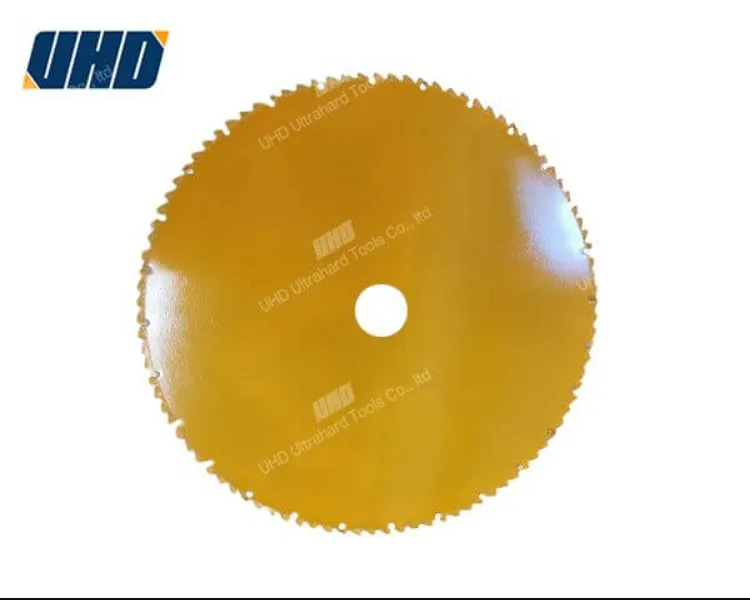
If you've been struggling with low efficiency and rapid wear while cutting stainless steel, you're not alone. The high hardness of stainless steel poses significant challenges, causing conventional saw blades to dull quickly and increase downtime. Fortunately, brazed diamond blades such as the ZS400H are engineered to overcome these hurdles by delivering superior sharpness, enhanced wear-resistance, and safer operation. This article takes you through a detailed comparison of brazed diamond blades with resin-based alternatives and provides actionable cutting optimization tips to help you achieve faster, more reliable results.
Stainless steel's high tensile strength and hardness range from 450 to 700 HB, which leads to accelerated blade abrasion and frequent replacements when using traditional resin-based diamond blades. Users often face increased machining costs and unscheduled downtimes. Addressing this starts with selecting the right blade technology and optimizing cutting parameters based on material properties.
The cutting efficiency and lifespan of a diamond blade largely depend on three factors:
| Feature | Brazed Diamond Blades | Resin-Based Diamond Blades |
|---|---|---|
| Bonding Strength | High - Metal solder bonds secure diamonds firmly | Moderate - Resin matrix weakens under heat stress |
| Blade Lifespan | Up to 40% longer under stainless steel cutting | Shorter due to resin wear and bond failure |
| Risk of Chipping/Fracture | Low - Robust bond minimizes edge崩齿(cusp) formation | Higher due to flexible but weaker resin bonding |
| Heat Resistance | Excellent - Supports higher cutting speeds | Limited - Risk of thermal degradation at high speeds |
| Cutting Efficiency | Higher due to sharper edges and stable structure | Lower due to blade dulling and thermal softening |
To unlock the full potential of brazed diamond blades, consider these practical guidance points:
Common cutting issues like premature blade wear, edge崩齿, or overheating can be mitigated by:
What blade failure problems have you encountered when cutting stainless steel? Your insights could help improve solutions industry-wide. Leave a comment below to join the conversation.
 395
|
395
|
 ["vacuum brazing cutting tools"
"diamond blade efficiency"
"metal and stone cutting solutions"
"high-performance diamond tools"
"industrial cutting technology"]
["vacuum brazing cutting tools"
"diamond blade efficiency"
"metal and stone cutting solutions"
"high-performance diamond tools"
"industrial cutting technology"]
 482
|
Brazed diamond saw blade
Industrial cutting saw blade
Low - dust cutting
High - performance saw blade
Environment - friendly cutting solution
482
|
Brazed diamond saw blade
Industrial cutting saw blade
Low - dust cutting
High - performance saw blade
Environment - friendly cutting solution
 483
|
400mm diamond saw blade
brazed saw blade dry and wet cutting
construction site saw blade selection
concrete cutting saw blade
diamond saw blade usage method
244
|
400mm diamond saw blade dry cutting
brazed diamond blade wet cutting comparison
diamond blade life optimization
stone cutting methods
construction saw blade selection
483
|
400mm diamond saw blade
brazed saw blade dry and wet cutting
construction site saw blade selection
concrete cutting saw blade
diamond saw blade usage method
244
|
400mm diamond saw blade dry cutting
brazed diamond blade wet cutting comparison
diamond blade life optimization
stone cutting methods
construction saw blade selection
 434
|
ZS400H brazed diamond saw blade
traditional resin blade
industrial cutting
blade comparison
high-performance blades
cutting efficiency
eco-friendly blades
434
|
ZS400H brazed diamond saw blade
traditional resin blade
industrial cutting
blade comparison
high-performance blades
cutting efficiency
eco-friendly blades