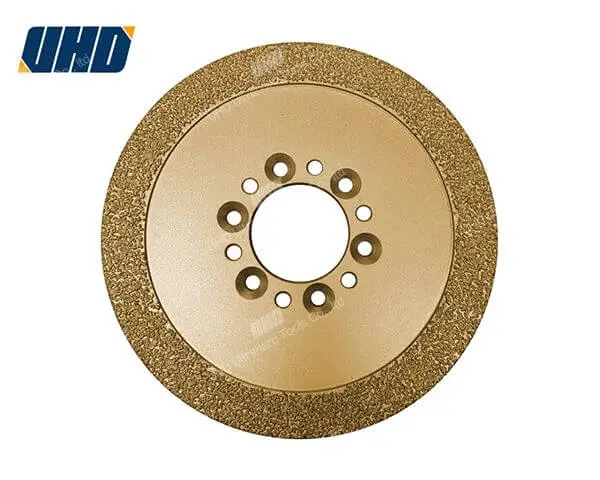
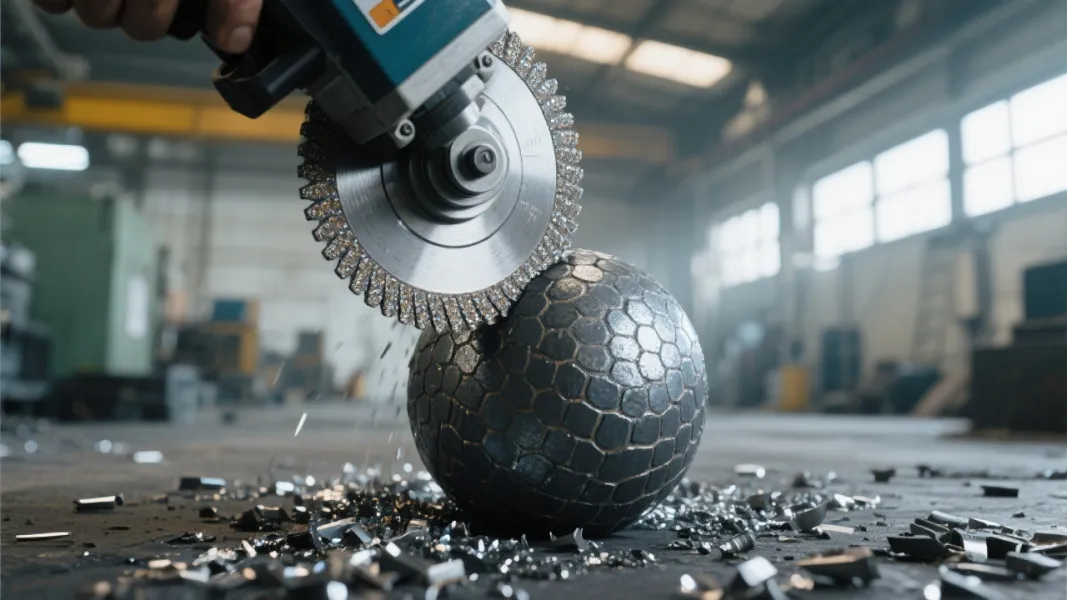
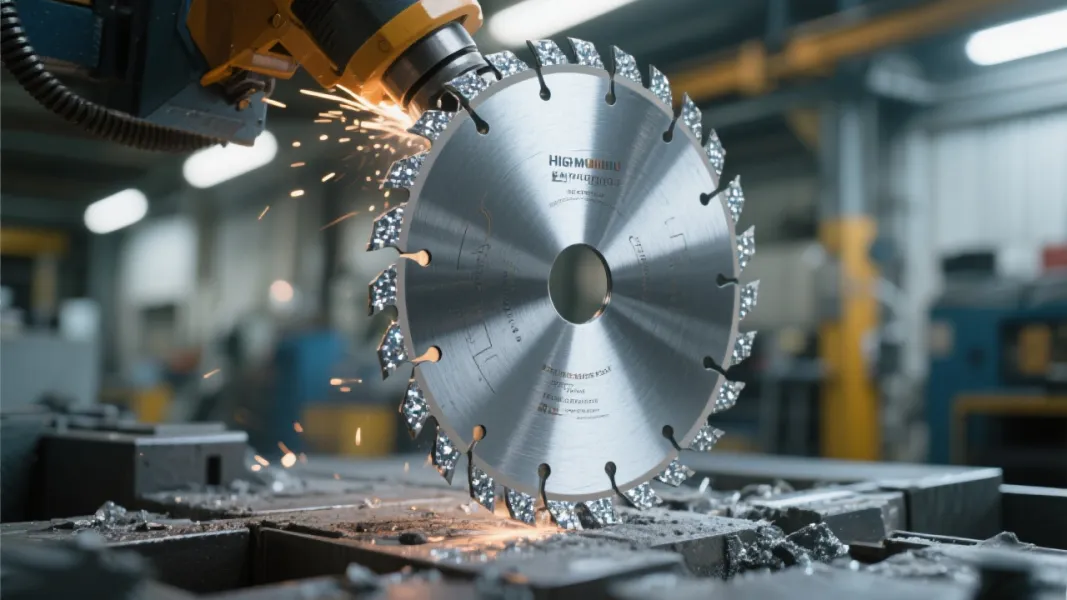
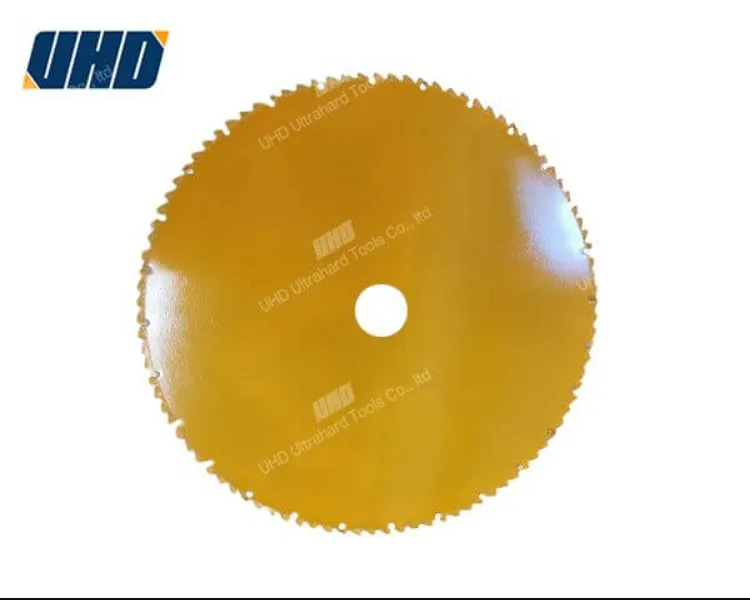
In industrial manufacturing, achieving precise and efficient stainless steel cutting is paramount. The cutting tool’s quality directly impacts productivity, cost control, and finish accuracy. Among the myriad of options, the ZS400H brazed diamond saw blade stands out as a superior solution engineered to meet the demanding requirements of modern stainless steel fabrication. This article explores the fundamental technology behind the ZS400H blade, its design advantages, and practical guidelines to optimize cutting performance and blade longevity.
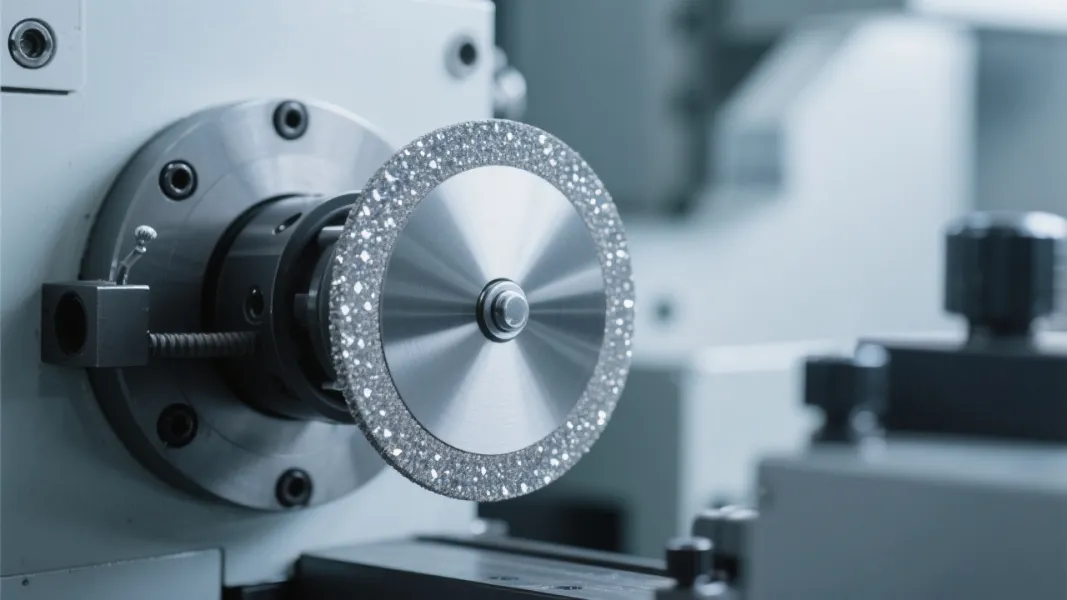
The hallmark of the ZS400H lies in its use of high-performance diamond particles, carefully selected for optimal particle size distribution and surface quality. Controlled grain sizing enhances cutting sharpness by providing a uniform abrasive surface, while minimizing micro-fractures that degrade blade integrity. Additionally, the blade incorporates a premium metallic brazing alloy as the bonding matrix, which delivers exceptional thermal stability and mechanical strength. Unlike conventional resin bonds prone to thermal softening, the metallic brazed bond in ZS400H maintains adhesion at elevated temperatures typical of stainless steel cutting. This reduces edge degradation, commonly known as chipping or “gulleting,” and ensures sustained cutting sharpness over extended operational periods.
Traditional resin-bonded diamond blades, while economical, often fall short under tough stainless steel applications due to limited heat resistance and weaker bond strength. The ZS400H’s brazing process chemically and mechanically fuses diamond particles to the steel substrate, creating a uniform bond layer that withstands mechanical vibrations and thermal stresses.
This stronger microstructural integration translates to:
Effective blade utilization extends beyond material properties into the operational domain. The ZS400H’s performance excels when cutting speeds and feed rates are optimized, matching blade geometry and stainless steel alloys characteristics. Industry-tested parameters recommend rotational speeds in the range of 3,500 to 5,000 RPM coupled with feed rates between 20 to 35 mm/min for standard stainless grades.
Adjusting these parameters helps reduce heat build-up, which otherwise accelerates bond degradation. Combining optimized speed-feed balance with adequate coolant application ensures:
Real-world application data confirms that regular edge inspection and timely maintenance significantly influence cutting efficiency. Users should adopt a maintenance routine that includes:
Incorporating these simple yet effective strategies can increase saw blade life cycle by 15–30%, translating to measurable cost savings and reduced machine downtime.
A leading automotive parts manufacturer recently integrated the ZS400H brazed diamond blades into their stainless steel tubing cutting lines. Prior to adoption, frequent blade replacements and inconsistent cuts caused delays and rework.
Post-implementation, they observed:
This tangible performance uplift substantiates the technological advances embedded in the ZS400H design.
Empower your stainless steel cutting operations with the ZS400H brazed diamond saw blade — engineered for precision, durability, and efficiency in demanding industrial environments.

 101
|
101
|
 UHD specialized abrasives
ultra-hard diamond cutting tools
high-precision metal processing solutions
UHD specialized abrasives
ultra-hard diamond cutting tools
high-precision metal processing solutions
 415
|
Concrete cutting saw selection
400mm saw application scenarios
Advantages of brazed diamond saws
Stone cutting tool recommendations
Construction equipment selection
415
|
Concrete cutting saw selection
400mm saw application scenarios
Advantages of brazed diamond saws
Stone cutting tool recommendations
Construction equipment selection
 423
|
stainless steel cutting efficiency
brazed diamond blade selection
diamond blade longevity
stainless steel cutting tools
industrial blade optimization
423
|
stainless steel cutting efficiency
brazed diamond blade selection
diamond blade longevity
stainless steel cutting tools
industrial blade optimization
 160
|
Brazed diamond saw blade
High-hardness stone cutting
Wear-resistant saw blade
Construction cutting tools
Wet and dry cutting saw blade
32
|
stainless steel cutting
high-performance diamond saw blade
brazed diamond blade
cutting parameter optimization
diamond blade maintenance
160
|
Brazed diamond saw blade
High-hardness stone cutting
Wear-resistant saw blade
Construction cutting tools
Wet and dry cutting saw blade
32
|
stainless steel cutting
high-performance diamond saw blade
brazed diamond blade
cutting parameter optimization
diamond blade maintenance






.png?x-oss-process=image/resize,h_600,m_lfit/format,webp)