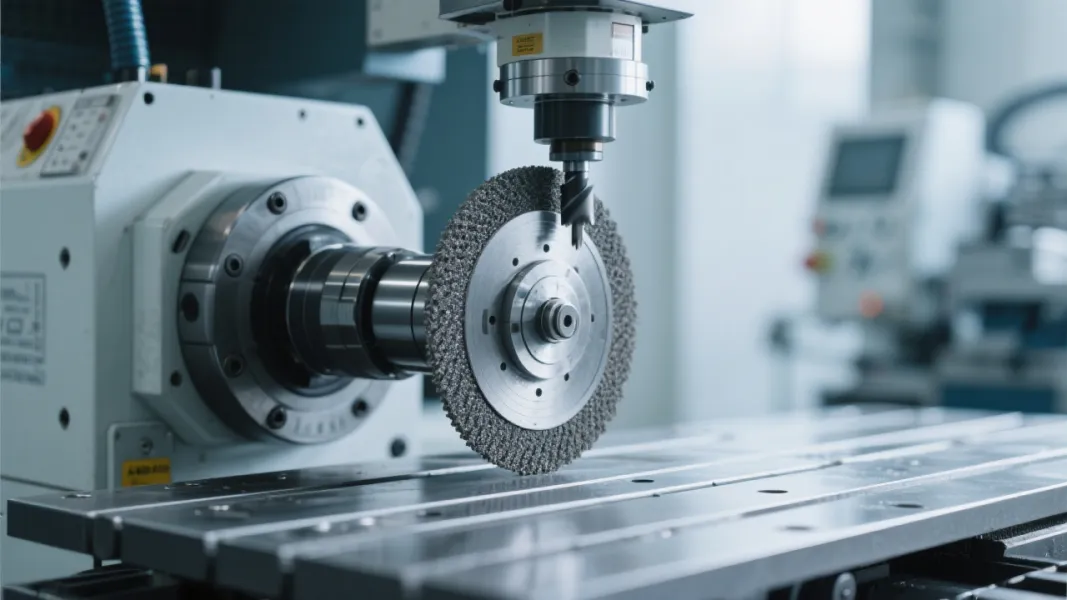
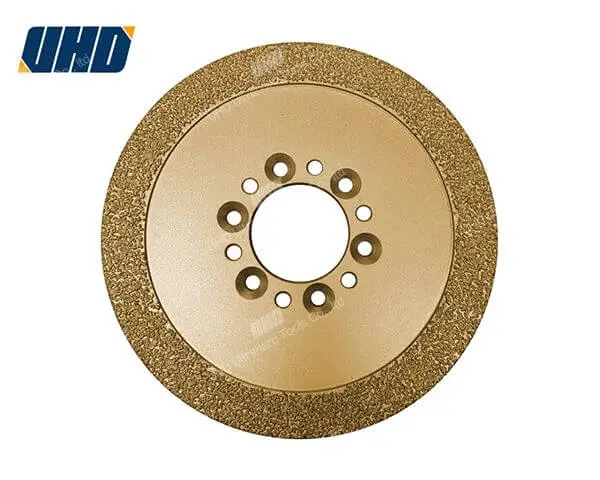
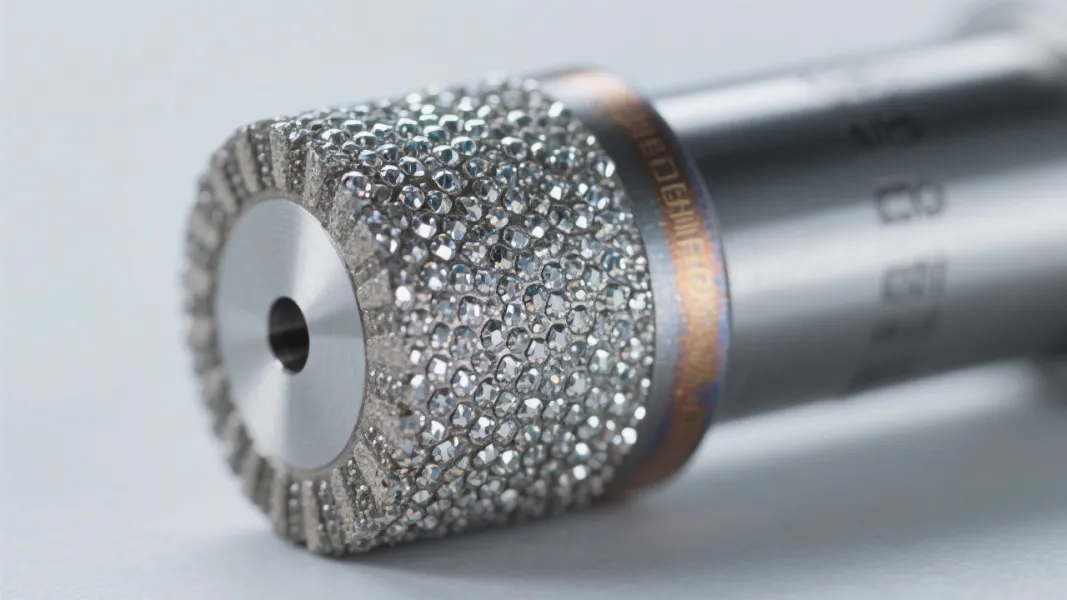
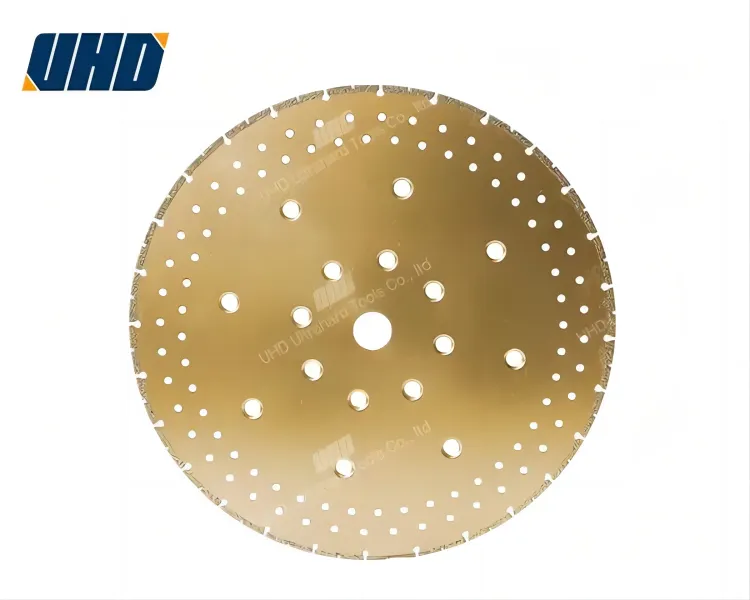
In the industrial cutting sector, ZS400H brazed diamond saw blades have become indispensable for processing challenging materials like grey cast iron, stainless steel, ductile iron, and cemented carbide. Their superior hardness and wear resistance contribute significantly to cutting efficiency and longevity. However, the key to unlocking their full potential lies in the proper installation and precise alignment of the saw blades in cutting equipment.
Different workpiece materials demand customized cutting parameters to optimize blade performance and prolong service life. For example:
Adhering to these tailored parameters will drastically enhance cutting efficiency by up to 20%, while simultaneously extending blade life by 30% compared to generic cutting setups.
Incorrect installation or misalignment frequently causes uneven wear, vibrations, and potential equipment damage. The following practices assist in mitigating these issues:
Implementing these methods has been proven to reduce blade-related downtime by approximately 25%, and cuts maintenance costs related to equipment wear by nearly 15% according to industry case reports.
Sustained blade performance hinges on meticulous maintenance routines, including:
One manufacturing enterprise specializing in ductile iron components reported a 35% increase in cutting throughput and a 28% reduction in blade replacement frequency after adopting prescribed installation and alignment protocols for ZS400H blades. Their adoption of dynamic feed and speed adjustments matched to material also yielded a 22% energy saving on cutting operations.
Q1: How critical is precise blade alignment for cutting quality?
A1: Extremely critical. Misalignment can cause uneven wear, poor cut finish, and premature blade failure. Maintaining 0.05 mm concentricity ensures smooth operation and maximizes blade life.
Q2: Can cutting parameters be standardized across different materials?
A2: No. Different materials have distinct mechanical properties requiring tailored speed and feed settings to avoid excessive wear or damage.
Q3: What are the signs it’s time to replace brazed diamond blades?
A3: Indicators include decreased cutting efficiency, visible diamond layer loss, increased vibration, or diameter reduction beyond 10%.

 331
|
331
|
 diamond grit saw blades
stainless steel cutting efficiency
brazed diamond saw blades
saw blade durability improvement
industrial stainless steel cutting
82
|
eco-friendly cutting blades
low-dust diamond saws
dry vs wet cutting
industrial dust control
diamond blade applications
diamond grit saw blades
stainless steel cutting efficiency
brazed diamond saw blades
saw blade durability improvement
industrial stainless steel cutting
82
|
eco-friendly cutting blades
low-dust diamond saws
dry vs wet cutting
industrial dust control
diamond blade applications
 295
|
welded diamond cutting disc
high performance cutting tools
diamond blade comparison
industrial cutting solutions
metal and stone cutting tools
295
|
welded diamond cutting disc
high performance cutting tools
diamond blade comparison
industrial cutting solutions
metal and stone cutting tools
 37
|
UHD diamond blade
welding diamond blade
cutting cost reduction
industrial cutting solutions
high-performance cutting tools
37
|
UHD diamond blade
welding diamond blade
cutting cost reduction
industrial cutting solutions
high-performance cutting tools
 198
|
UHD high-performance cutting disc
welded diamond cutting disc
cutting disc longevity
metal cutting solutions
stone cutting tools
198
|
UHD high-performance cutting disc
welded diamond cutting disc
cutting disc longevity
metal cutting solutions
stone cutting tools