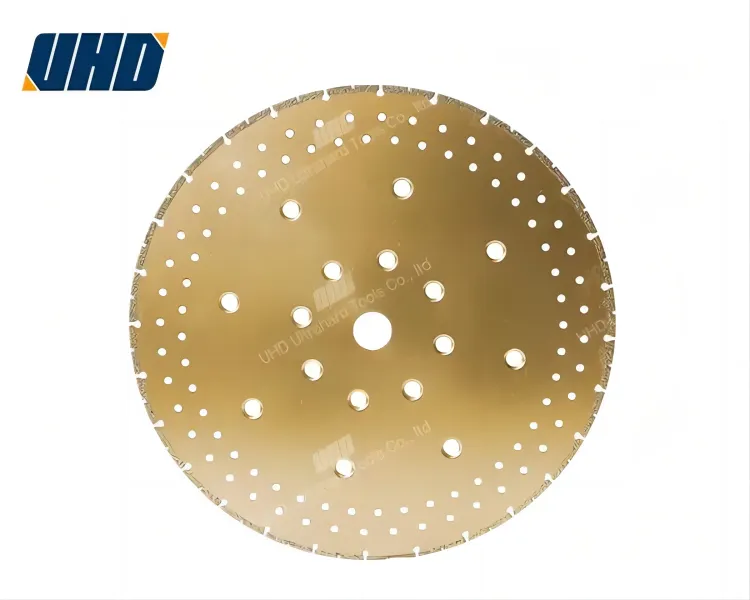
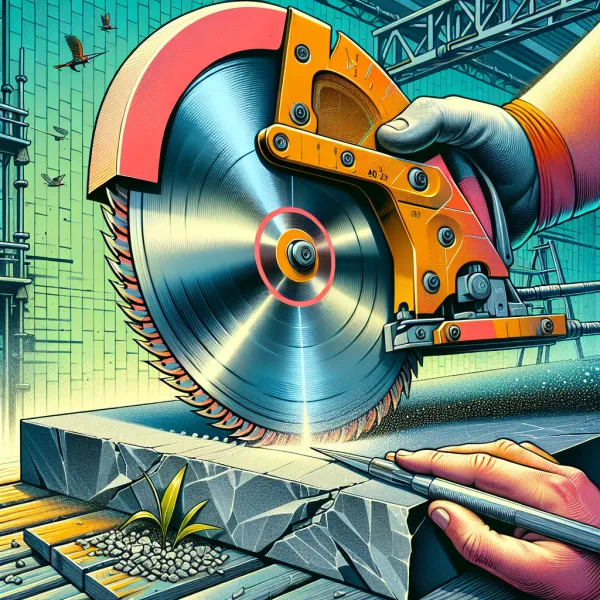
You're likely familiar with the frustration of unexpected machine downtime during high-precision cutting operations—especially when it's caused by something as seemingly simple as a misaligned diamond blade.
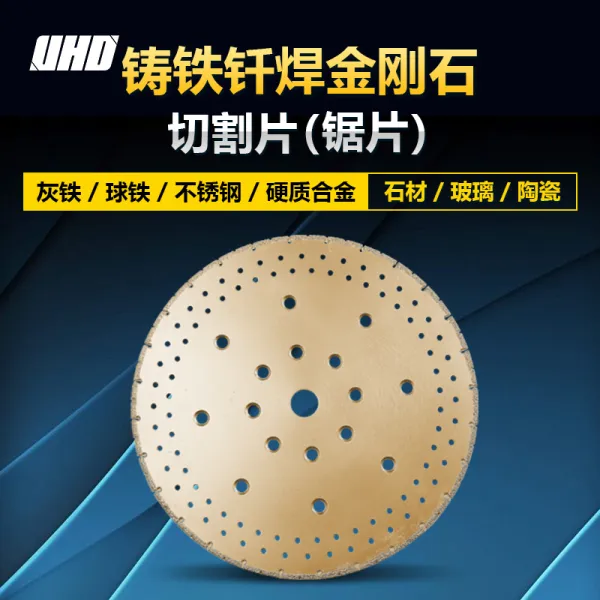
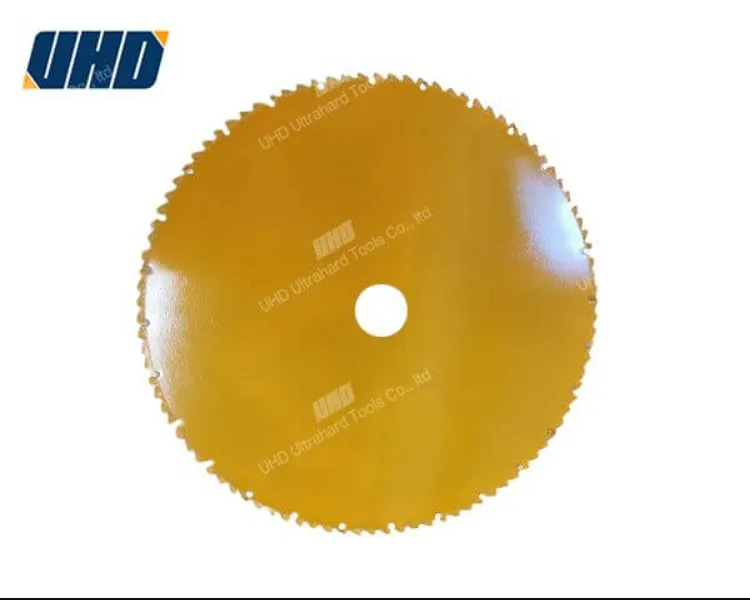
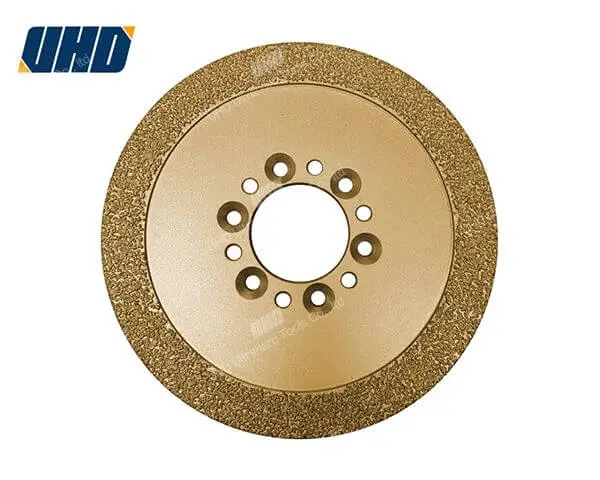
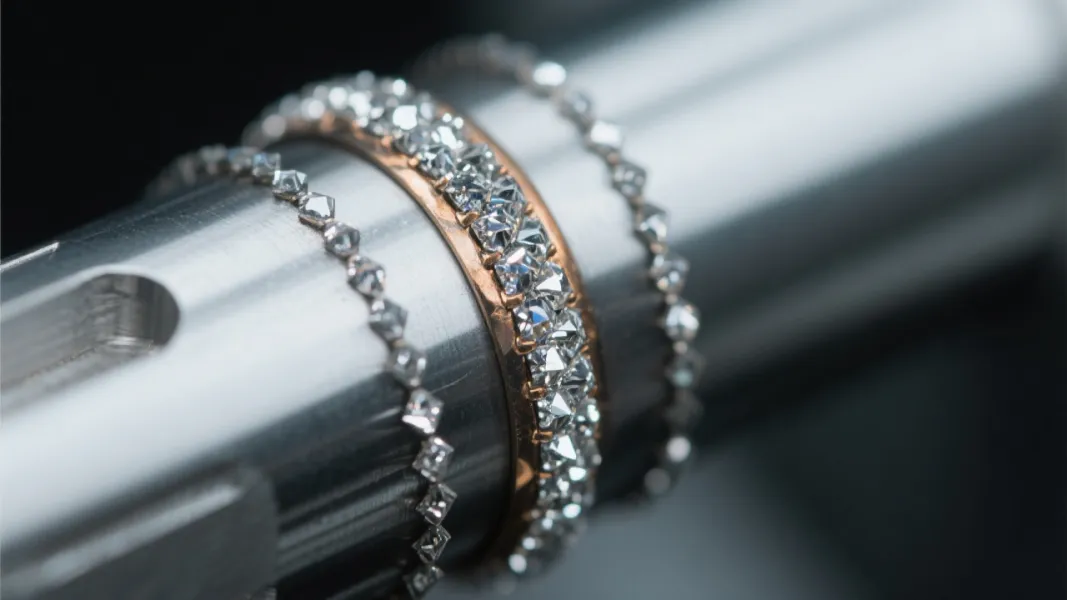
For industries working with stainless steel, gray cast iron, or hard alloys, brazed diamond blades like the ZS400H have become essential tools—not just because they cut faster, but because they reduce tool wear by up to 35% compared to conventional segmented blades (based on field data from European metal fabrication plants).
But here’s the catch: even the best blade will underperform if installed incorrectly or not properly aligned. That’s why understanding the full setup process—from clamping torque to vibration detection—is no longer optional—it’s part of your operational standard.
When cutting stainless steel, using a linear speed of 45–55 m/s and an axial feed rate of 0.05–0.1 mm/tooth ensures optimal chip removal and minimal heat buildup. For gray cast iron, you’ll want to lower both parameters slightly—around 35–45 m/s and 0.03–0.07 mm/tooth—to avoid thermal cracking of the bond matrix.
These aren’t arbitrary numbers—they’re derived from real-world testing across over 120 industrial sites worldwide. Ignoring them? That’s how you end up with premature blade failure and unnecessary production delays.
Before mounting any brazed diamond blade:
While manual calibration works for basic setups, laser alignment systems offer accuracy within ±0.01 mm—critical for maintaining consistent edge quality in CNC machining centers. In one case study, a German automotive supplier reduced stoppage time by 30% after switching to automated alignment.
Pro tip: Always run a dry test spin at low RPM before engaging the workpiece. If there’s noticeable wobble (>0.05 mm), recheck your clamping and centering.
Regular maintenance isn’t just about cleaning—it’s about early fault detection. Here’s what to monitor weekly:
A mechanical workshop in Turkey implemented our recommended installation and alignment protocol for their ZS400H blades. Within two months, they reported a 30% reduction in unplanned downtime and a 15% increase in throughput per shift. No new equipment was needed—just better practices.
Q: Does blade runout affect tool life?
A: Yes—every 0.05 mm of runout increases wear rate by approximately 12%. This leads to uneven cutting forces and accelerated degradation of the diamond layer.
Q: Can I reuse a blade after it has been removed?
A: Only if it hasn't been damaged during removal and the base remains perfectly flat. Otherwise, replace it to prevent vibration-induced errors.
Discover how the ZS400H brazed diamond blade can help you reduce downtime, extend tool life, and boost productivity—without changing machines or processes.
Explore the ZS400H Cutting Solution Now
 233
|
233
|
 brazed diamond saw blades
stainless steel cutting tools
diamond particle size distribution
resin bonded vs brazed diamond segments
cutting parameter optimization
119
|
stainless steel cutting optimization
diamond saw blade selection
brazed diamond blades
cutting parameter adjustment
industrial cutting technology
brazed diamond saw blades
stainless steel cutting tools
diamond particle size distribution
resin bonded vs brazed diamond segments
cutting parameter optimization
119
|
stainless steel cutting optimization
diamond saw blade selection
brazed diamond blades
cutting parameter adjustment
industrial cutting technology
 126
|
400mm brazed diamond saw blade
high hardness material cutting tool
stone processing saw blade
wet and dry saw blade
diamond saw blade performance
126
|
400mm brazed diamond saw blade
high hardness material cutting tool
stone processing saw blade
wet and dry saw blade
diamond saw blade performance
 295
|
diamond cutting blade
brazed diamond blade
high-efficiency cutting tool
cost-effective cutting solution
industrial cutting equipment
295
|
diamond cutting blade
brazed diamond blade
high-efficiency cutting tool
cost-effective cutting solution
industrial cutting equipment
 48
|
400mm brazed diamond saw blade
concrete cutting blade selection
high-rise building demolition saw
bridge repair diamond blade
brazing technology cutting tools
48
|
400mm brazed diamond saw blade
concrete cutting blade selection
high-rise building demolition saw
bridge repair diamond blade
brazing technology cutting tools