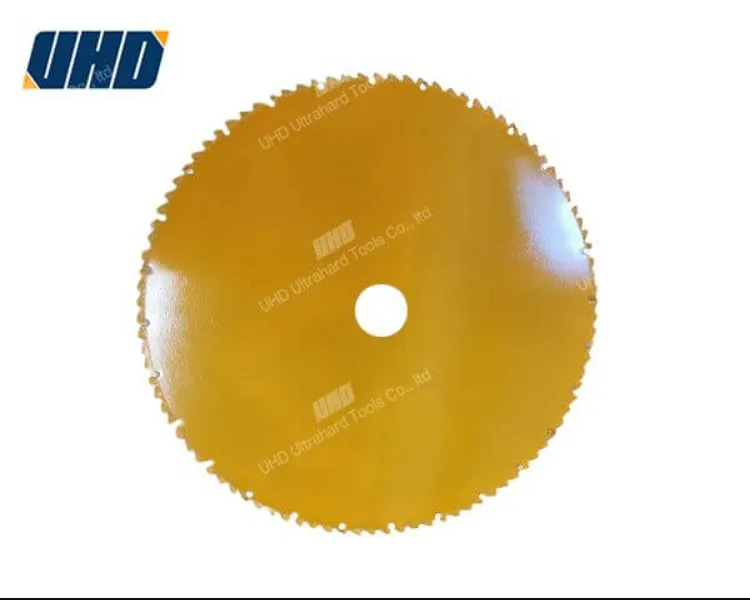
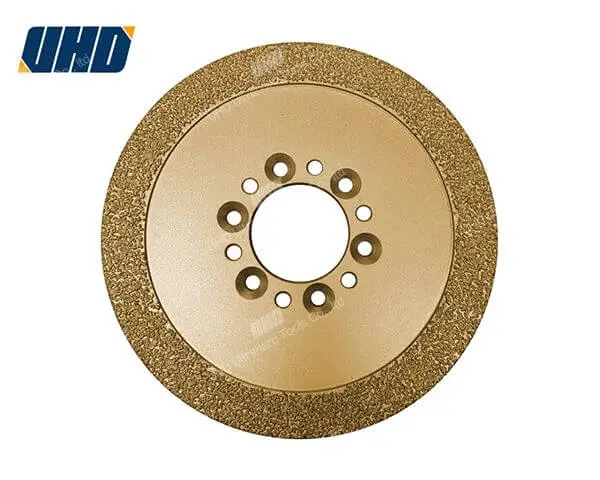
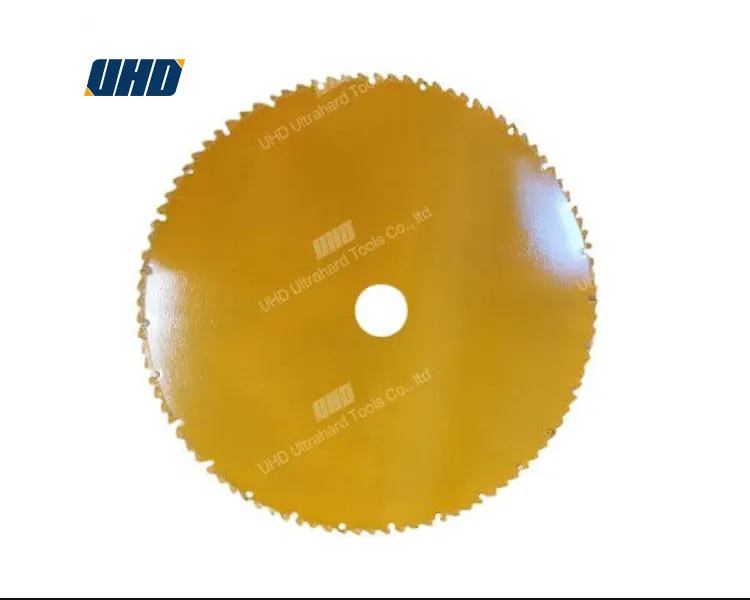
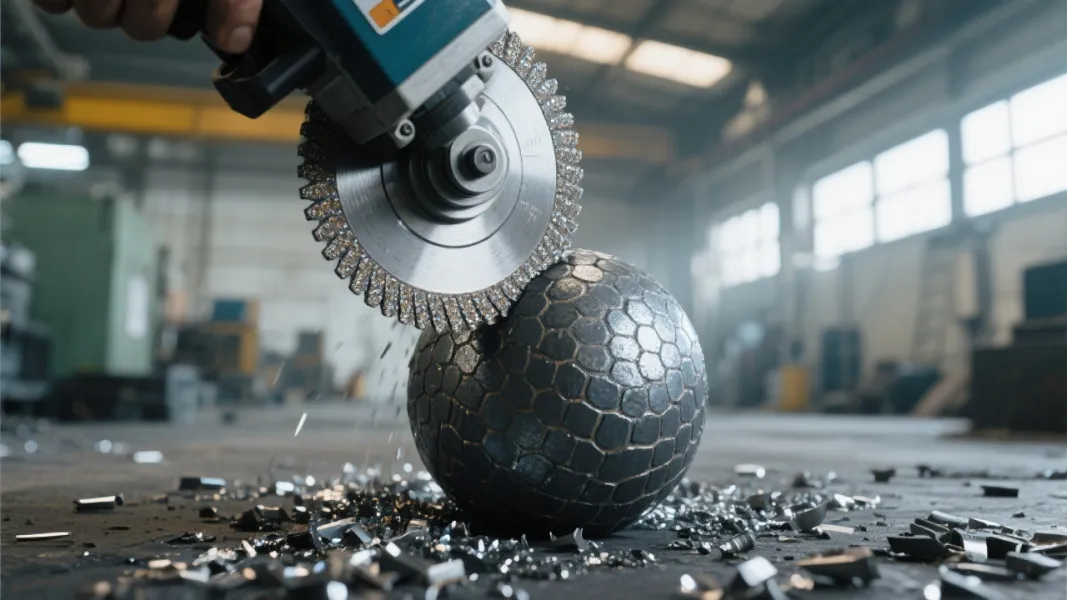
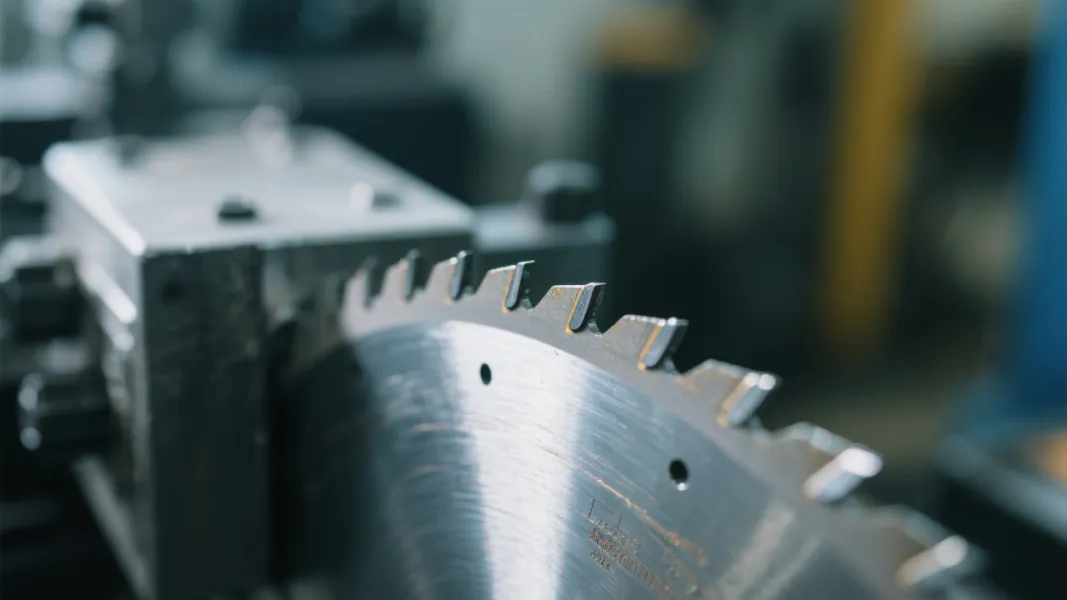
If your 400mm brazed diamond saw blade is burning out too fast—especially in dry cutting conditions—you're not alone. According to field data from over 30 construction sites across the Middle East and Southeast Asia, up to 65% of premature blade failure stems from improper cooling methods, not poor quality.
| Factor | Dry Cutting | Wet Cutting |
|---|---|---|
| Blade Life (Avg.) | ~30–50% shorter | Up to 2x longer |
| Dust Control | High risk — requires PPE | Low dust, safer environment |
| Equipment Wear | Higher motor strain | Reduced friction = less wear |
You don’t need to be an engineer to see the trade-offs. But here's what most contractors miss: the right choice depends entirely on your job context—not just personal preference.
“In a high-pressure municipal project in Dubai, we switched from dry to wet cutting mid-way—and saved 18 hours of downtime per week. The water pump cost $80, but it paid off in blade longevity.”
— Ahmed R., Senior Site Supervisor, Al-Farabi Construction Co.
Use this simple flowchart before every cut:
Pro tip: Always check blade temperature with a thermal gun before restarting after a break. Even 5 minutes of rest can drop temps by 30°C—enough to prevent thermal cracking.
Download Our Free PDF Checklist: “When to Choose Dry or Wet Cutting”
Your saw blade’s lifespan isn't just about how sharp it is—it's about how smart you are in choosing the right cooling method. One small adjustment could mean fewer replacements, less waste, and more profit per project.

 214
|
214
|
 Brazed diamond saw blade
Matrix material selection
Mechanical vibration control
Saw blade service life
Cutting efficiency improvement
Brazed diamond saw blade
Matrix material selection
Mechanical vibration control
Saw blade service life
Cutting efficiency improvement
 254
|
brazed diamond saw blade
resin-based diamond blade comparison
stainless steel cutting efficiency
saw blade lifespan extension
cutting parameter optimization
254
|
brazed diamond saw blade
resin-based diamond blade comparison
stainless steel cutting efficiency
saw blade lifespan extension
cutting parameter optimization
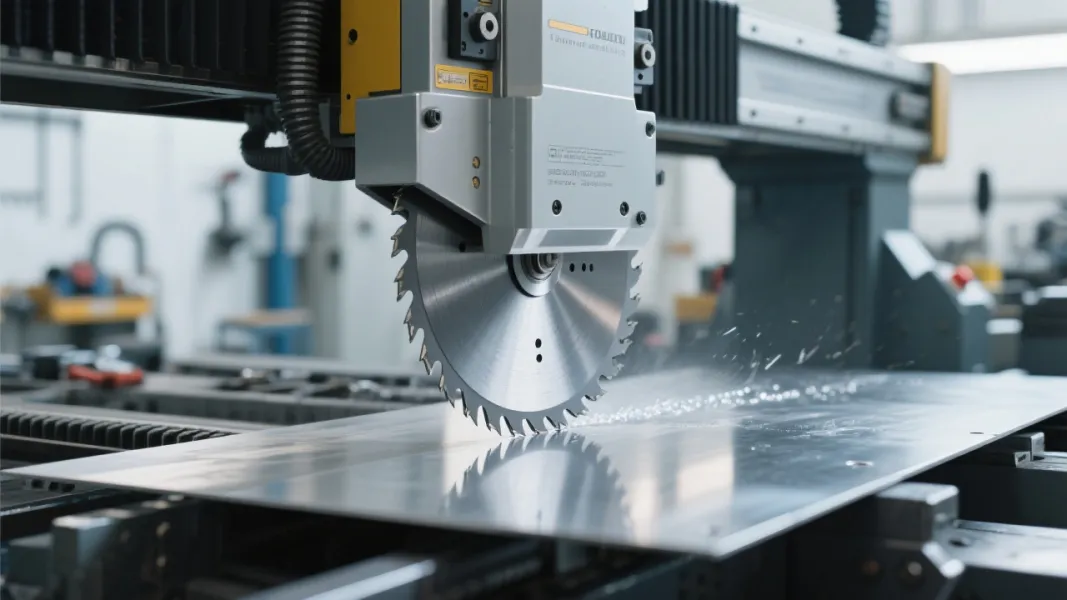 364
|
Brazed diamond saw blade
Cutting equipment noise control
Vibration mitigation technology
Saw blade design optimization
Construction cutting efficiency
364
|
Brazed diamond saw blade
Cutting equipment noise control
Vibration mitigation technology
Saw blade design optimization
Construction cutting efficiency
 415
|
400H brazed diamond saw blade
vibration reduction in cutting tools
noise control in construction saws
diamond blade design optimization
brazing process for high-performance saws
415
|
400H brazed diamond saw blade
vibration reduction in cutting tools
noise control in construction saws
diamond blade design optimization
brazing process for high-performance saws
 251
|
brazing process control
diamond saw blade stability
cutting noise reduction
vibration control techniques
400mm saw blade design
251
|
brazing process control
diamond saw blade stability
cutting noise reduction
vibration control techniques
400mm saw blade design