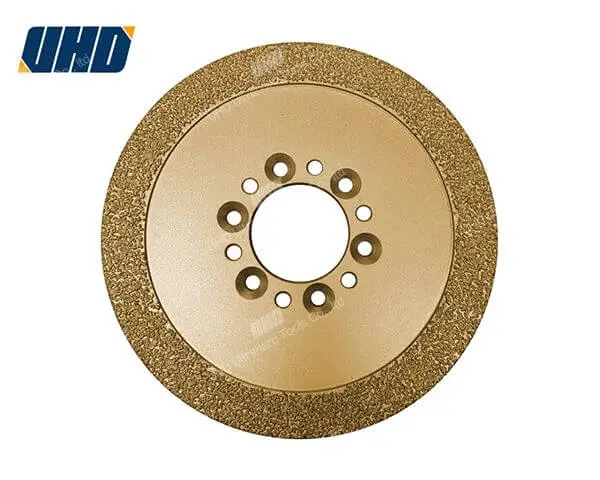
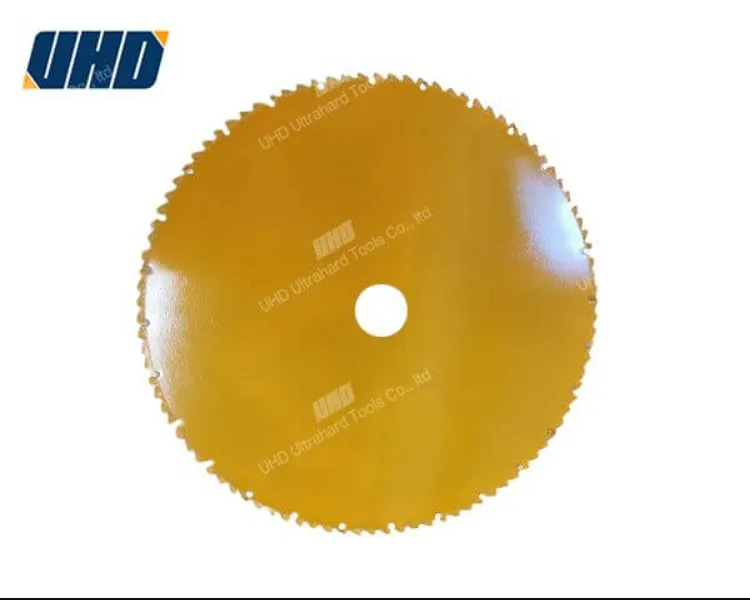
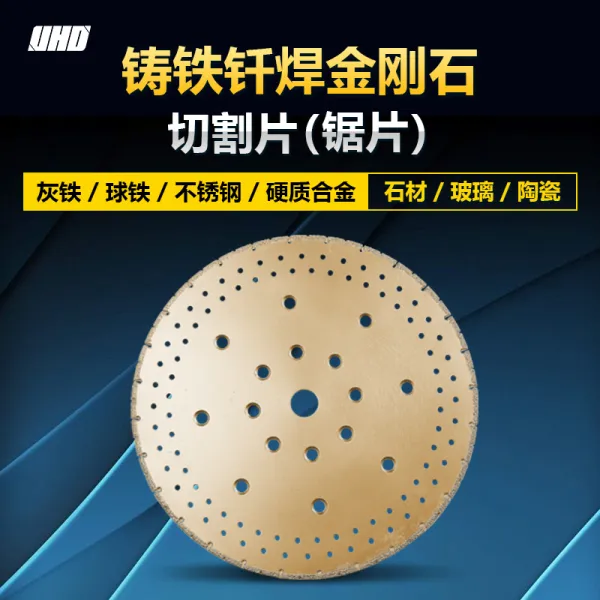
When cutting complex materials like stainless steel, gray cast iron, ductile iron, or tungsten carbide, traditional blades often fail under thermal stress and mechanical fatigue—leading to frequent replacements, inconsistent cuts, and unplanned downtime. That’s where the ZS400H brazed diamond blade steps in—not just as a tool, but as a productivity multiplier.
| Material | Common Blade Issues | Avg. Downtime per Failure |
|---|---|---|
| Stainless Steel | Rapid edge wear, heat buildup | ~45 minutes |
| Gray Cast Iron | Chipping, inconsistent finish | ~30 minutes |
| Tungsten Carbide | Blade fracture due to brittleness | ~75 minutes |
Our data from over 120 industrial users shows that with ZS400H, these issues are reduced by up to 60% through its unique combination of high-grade diamond grit (80–100 μm particle size) and a 4mm-thick high-manganese steel base—designed to absorb vibration and resist deformation even at speeds exceeding 60 m/s.
For optimal performance, adjust your machine settings based on material thickness:
These adjustments help prevent overheating while maximizing throughput—a key reason why one German automotive parts manufacturer reported a 30% increase in production output after switching to ZS400H.
“We used to replace our blades every two weeks. Now we go six weeks without any issues—and the cut quality is noticeably better.” — Mark R., Production Manager, Automotive Components GmbH
A misaligned blade can cause premature wear, increased vibration, and machine damage—even if the blade itself is top-tier. Always check:
After each shift, wipe down the blade with a dry cloth and apply light oil to avoid rust. If you notice unusual noise or chatter above 50 dB, stop immediately—it may indicate imbalance or dulling.
Q: How do I make my blade run faster without damaging it?
A: Start at 50 m/s and gradually increase by 5 m/s per test cycle until you hit the optimal point for your material. Never exceed 65 m/s unless your equipment supports it.
Q: Why does my machine vibrate more when using brazed blades?
A: Most cases stem from improper installation or worn bearings. Check both before assuming the blade is faulty.
See how ZS400H can reduce downtime, improve cut quality, and lower long-term costs across your operations.
Explore Product Details →





.png?x-oss-process=image/resize,h_600,m_lfit/format,webp)