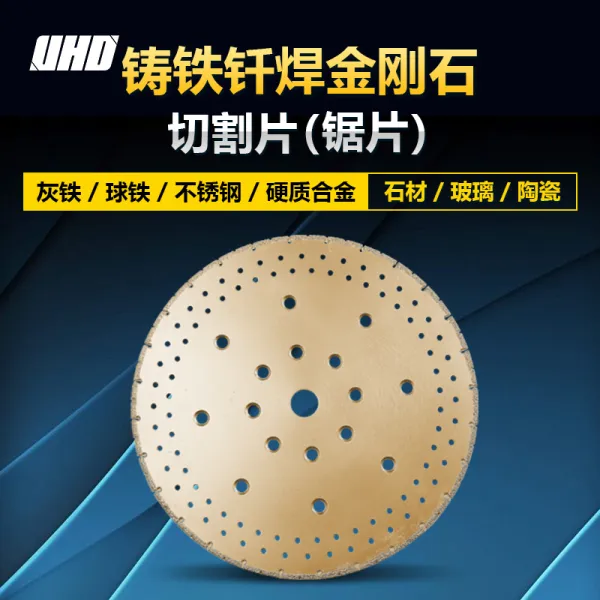
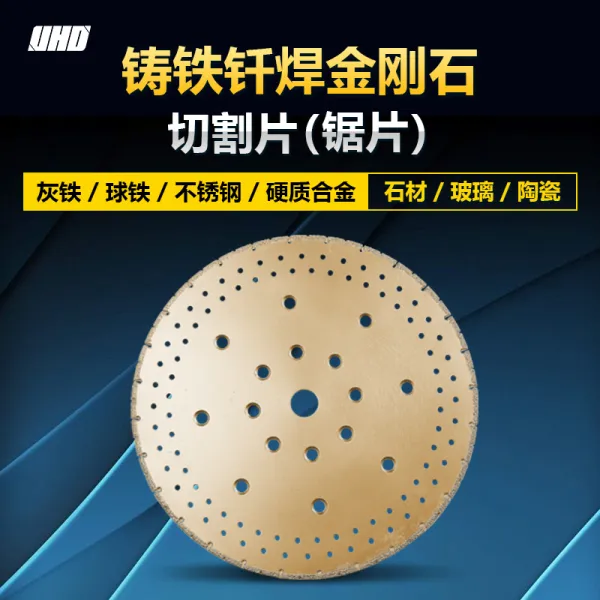
Stainless steel remains one of the most challenging materials to cut efficiently in manufacturing. Traditional resin-bonded diamond blades often fail under high heat and pressure, leading to premature wear, inconsistent cuts, and costly downtime. But what if you could boost productivity by up to 40% while reducing blade replacement frequency?
According to industry data from the International Association of Machinists, over 60% of metalworking shops report that suboptimal cutting tools cause more than 2 hours of unplanned downtime per shift when processing stainless steel or hard alloys. The root issue? Poor thermal stability and inadequate diamond grain distribution in standard resin-based segments.
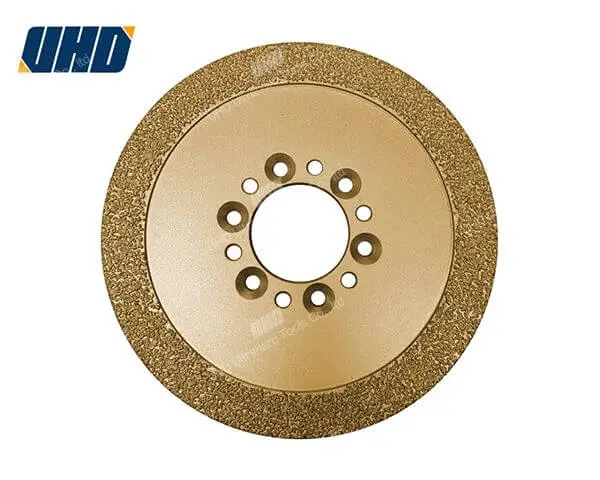
Resin bonds degrade quickly above 150°C — a common temperature during stainless steel cutting. This leads to rapid dulling, increased friction, and even dangerous overheating. In contrast, our ZS400H brazed diamond blade maintains structural integrity at temperatures exceeding 300°C, ensuring consistent performance across long production runs.
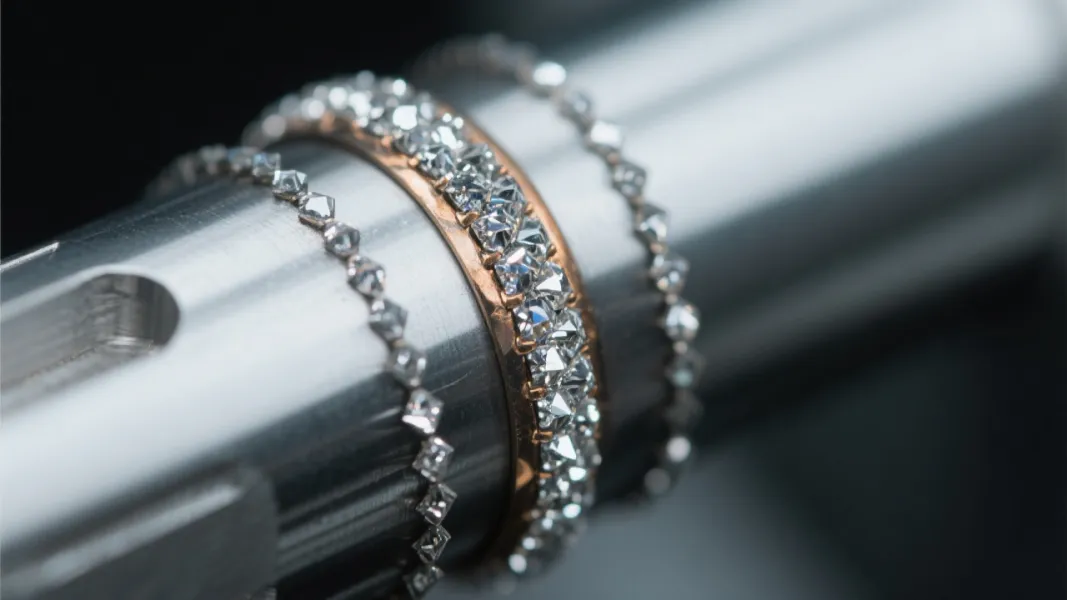
We don’t just use better diamonds — we engineer how they’re embedded. Here’s why:
Field tests show that ZS400H outperforms typical resin blades by an average of 37% in lifespan and 28% in cutting speed — translating directly into lower operational costs and higher throughput.
For best results, follow this rule of thumb:
Recommended Parameters: 3,000–4,500 RPM + 0.05–0.1 mm/rev feed rate for stainless steel grades 304 and 316.
Adjust based on material thickness and machine rigidity — but always start within these ranges to avoid excessive wear or vibration-induced damage.
Regular cleaning with water-based coolant prevents clogging and extends blade life. Avoid dry cutting — it increases thermal stress by up to 60%. If you notice uneven wear patterns, check your machine alignment and ensure proper clamping force.
A European automotive parts manufacturer reported a 35% reduction in tooling costs after switching to ZS400H. Their CNC operators also noted smoother finishes and fewer rework cycles — critical for precision components.
“We used to change blades every 2 hours. Now we go 4–5 hours without any noticeable degradation.” – Production Manager, Germany
If you're tired of paying for slow cuts, frequent replacements, and wasted labor time — it's time to rethink your approach. ZS400H isn't just another blade. It's a smarter way to work.
 175
|
175
|
 400mm diamond saw blade
brazed diamond blade
concrete cutting tools
high-rise demolition
floor grinding blade
482
|
Brazed diamond saw blade
Industrial cutting saw blade
Low - dust cutting
High - performance saw blade
Environment - friendly cutting solution
61
|
ZS400H Brazed Diamond Saw Blade
industrial cutting solutions
high-performance cutting tools
400mm diamond saw blade
brazed diamond blade
concrete cutting tools
high-rise demolition
floor grinding blade
482
|
Brazed diamond saw blade
Industrial cutting saw blade
Low - dust cutting
High - performance saw blade
Environment - friendly cutting solution
61
|
ZS400H Brazed Diamond Saw Blade
industrial cutting solutions
high-performance cutting tools
 126
|
400mm brazed diamond saw blade
high hardness material cutting tool
stone processing saw blade
wet and dry saw blade
diamond saw blade performance
126
|
400mm brazed diamond saw blade
high hardness material cutting tool
stone processing saw blade
wet and dry saw blade
diamond saw blade performance
 461
|
400mm diamond saw blade
braze-bonded diamond blade
concrete cutting tools
high-rise demolition equipment
wet dry cutting saw blade
461
|
400mm diamond saw blade
braze-bonded diamond blade
concrete cutting tools
high-rise demolition equipment
wet dry cutting saw blade