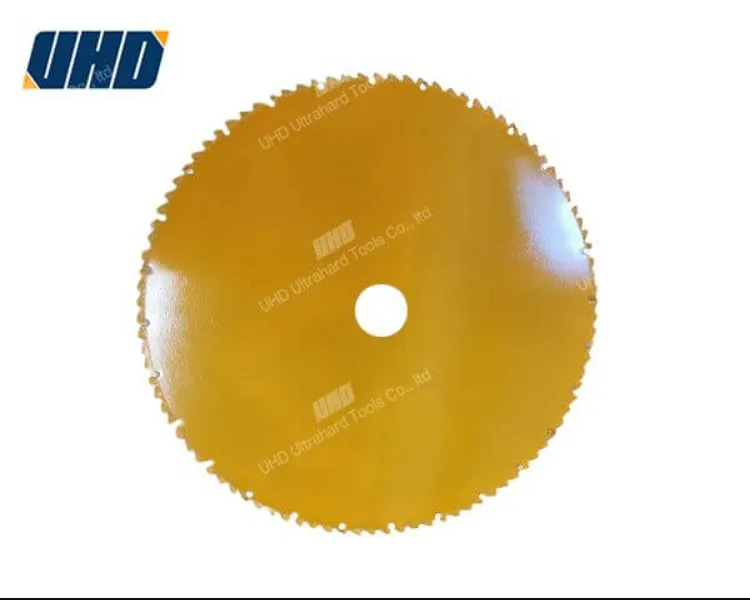
When it comes to high-efficiency concrete cutting in construction projects—from skyscraper demolition to bridge repair—choosing the right blade isn’t just about brand loyalty. It’s about understanding how material science and engineering directly impact productivity, safety, and cost per cut.
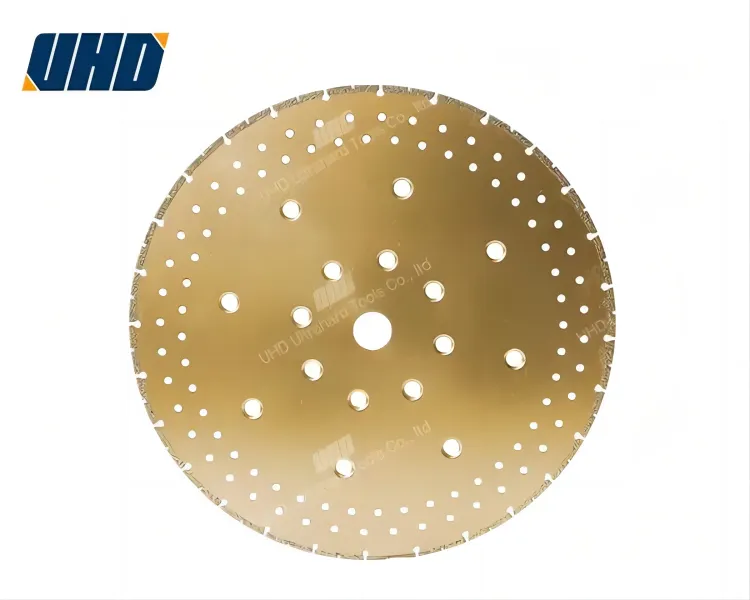
Traditional welding often results in uneven heat distribution across the diamond segment, leading to micro-cracks and premature delamination under heavy loads. In contrast, brazed blades like UD Superhard 400H use a low-temperature alloy bonding process that ensures uniform adhesion between the steel core and diamond segments. According to field tests by construction firms in Dubai and Singapore, this method increases blade life by up to 35% compared to conventional welded blades when used for continuous wet cutting at depths of 100–150mm.
Key Data Point: A 2023 study from the International Concrete Cutting Association found that brazed blades maintain consistent cutting speed (avg. 1.8 m/min) over 8 hours of operation, while traditional welded blades drop to 1.2 m/min due to overheating and uneven wear.
In high-rise demolition, where precision and minimal vibration matter, the 400mm brazed blade’s superior stability reduces rework time by an average of 22%. For floor grinding and surface leveling, its fine-grain structure allows smoother finishes without excessive dust generation—ideal for indoor commercial spaces. And in bridge maintenance, where access is limited and downtime costly, the blade’s ability to handle dry cutting (with proper cooling) cuts setup time by nearly 30%.
Early detection saves money and prevents dangerous situations. Look for these signs:
If you're using dry cutting, always ensure airflow or water mist systems are active—even if your job site seems “dry.” Overheating can reduce blade life by up to 50%, especially in hot climates like Saudi Arabia or the UAE.
Q: Can I switch from welded to brazed blades without changing my saw?
A: Yes—most standard 400mm angle grinders and concrete saws are compatible. Just verify arbor size (usually 22.2mm) and RPM rating (max 4500 RPM).
Q: What makes UD Superhard 400H stand out?
A: Its proprietary tungsten-carbide matrix holds diamonds more securely than competitors’ mid-range options, resulting in 20–30% longer service life in abrasive materials like reinforced concrete.