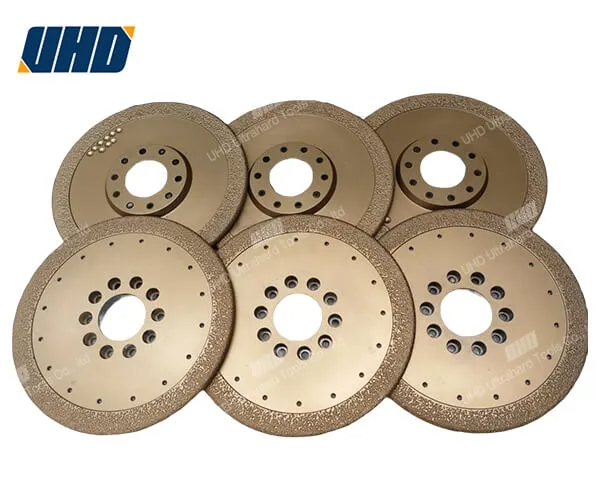
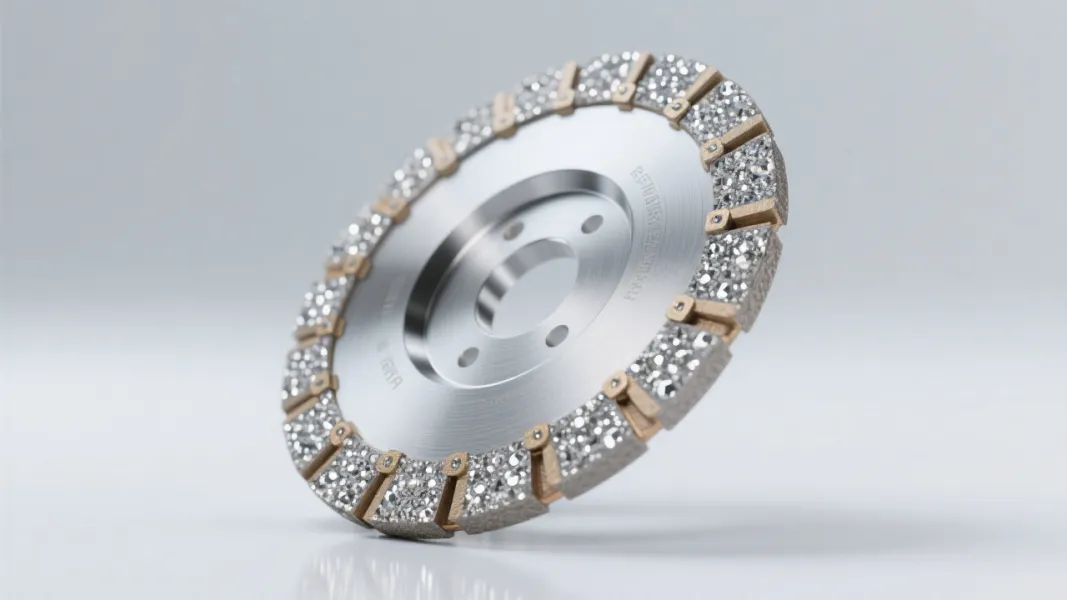
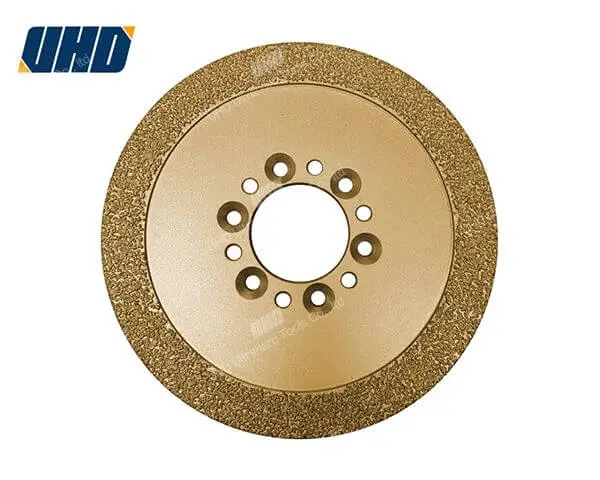
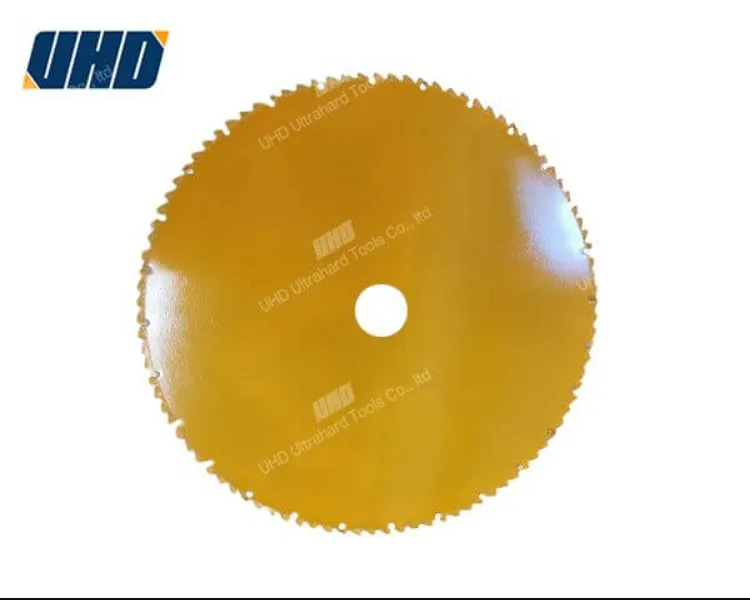
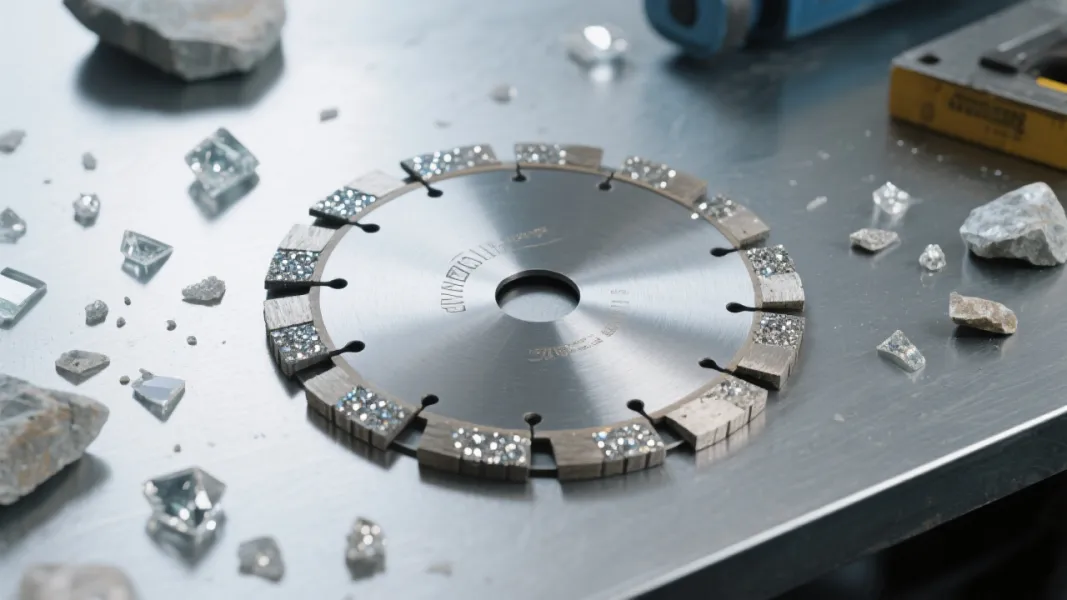
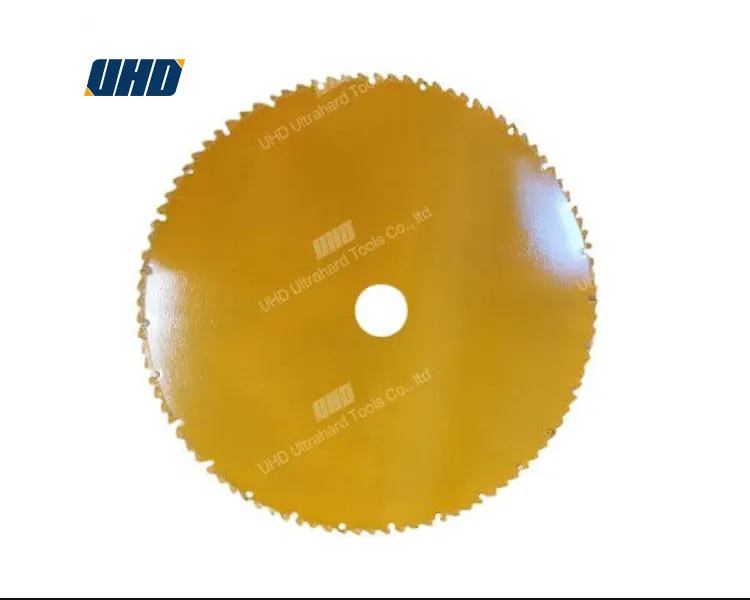
When it comes to precision cutting in heavy industrial applications—especially with cast iron, ductile iron, or stainless steel—selecting the right brazed diamond saw blade isn't just about performance—it’s about productivity, cost control, and operational stability.
Not all cast irons are created equal. Grey cast iron (GCI) is brittle but abrasive, while ductile iron (Ductile Cast Iron, DGI) has higher toughness and requires more durable diamond segments. Stainless steel adds thermal challenges due to its high heat conductivity.
According to real-world data from a German automotive parts manufacturer, switching from standard tungsten carbide blades to properly selected brazed diamond blades reduced tool change frequency by 40% and improved surface finish quality by over 30%. For GCI, use medium-grit diamonds (~60–80 mesh); for DGI and stainless steel, go for finer grits (~100–120 mesh) with enhanced bonding strength.
The key to maximizing blade life lies in balancing linear speed and feed rate:
These parameters aren’t one-size-fits-all—they must be adjusted based on machine rigidity, coolant flow, and operator experience. A case study from a Chinese foundry shows that implementing these settings led to a 25% increase in throughput over three months without increasing downtime.
Even the best blade will underperform if misaligned. Misalignment causes vibration, uneven wear, and poor cut quality. Industry standards recommend checking runout tolerance within ±0.02 mm using a dial indicator before installation.
Pro tip: Always verify spindle balance and clamping force consistency across multiple blades. One U.S.-based metal fabrication shop reported a 50% reduction in blade failure after adopting this pre-installation checklist.
Regular cleaning of blade grooves and inspection of segment integrity prevent micro-cracks from propagating. Use compressed air or soft brushes—not solvents—to remove debris. Weekly checks reduce unexpected failures by up to 60%, according to a survey of 120 CNC machining centers in Europe.
Also, monitor temperature spikes during operation. If the blade turns dark red or emits smoke, stop immediately—it’s a sign of excessive friction and potential bond degradation.
“We used to replace our blades every 8 hours on average. After optimizing with the right brazed diamond blades and proper parameters, we now get 16 hours of continuous cutting.” — Mark L., Operations Manager at a UK-based machine shop.
This kind of ROI speaks louder than specs. Whether you're working with grey cast iron in construction equipment or stainless steel in food processing lines, the right blade makes the difference between waste and efficiency.
We’ve seen it all—from blade chatter to inconsistent cuts—and we’re here to help you solve it fast. Share your current setup, material type, and goals below. Our engineers will respond within 24 hours with tailored advice.
Get Your Customized Brazed Diamond Saw Blade Recommendation Now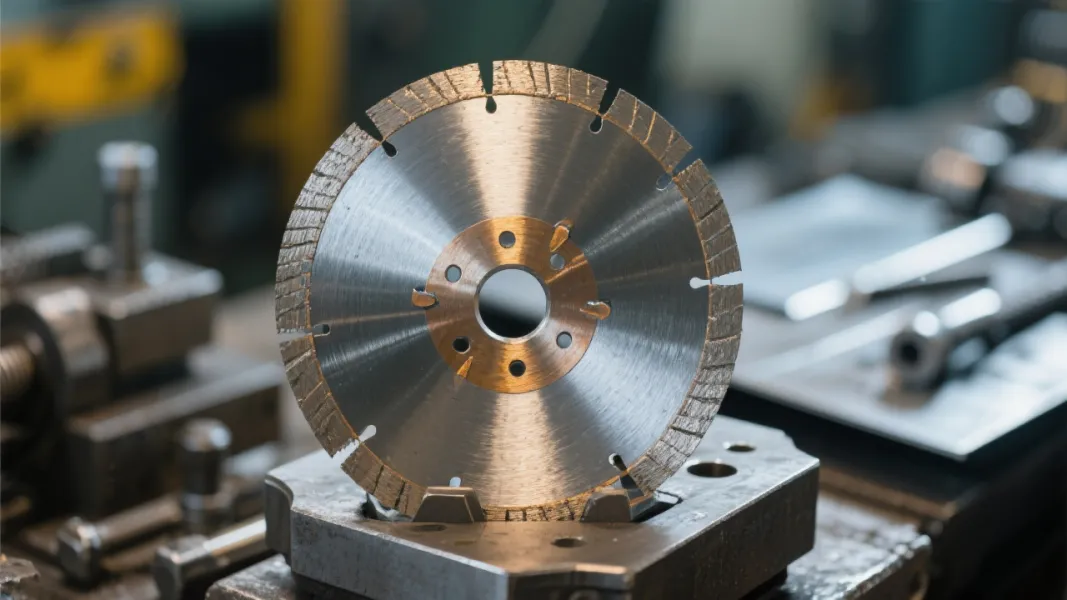
 385
|
385
|
 brazed diamond saw blade
noise reduction in cutting tools
vibration control in saw blades
400mm diamond blade
efficient concrete cutting
brazed diamond saw blade
noise reduction in cutting tools
vibration control in saw blades
400mm diamond blade
efficient concrete cutting
 341
|
400mm brazed diamond saw blade
dry and wet cutting applications
diamond saw blade cutting efficiency
construction cutting tool selection
brazed saw blade maintenance skills
341
|
400mm brazed diamond saw blade
dry and wet cutting applications
diamond saw blade cutting efficiency
construction cutting tool selection
brazed saw blade maintenance skills
 158
|
efficient cutting blade
metal processing tools
diamond cutting blade
welding diamond blade
cutting blade lifespan
158
|
efficient cutting blade
metal processing tools
diamond cutting blade
welding diamond blade
cutting blade lifespan
 255
|
Concrete cutting saw blade selection
400mm brazed saw blade
Relationship between material hardness and cutting depth
Brazed diamond saw blade
Application of construction saw blades
445
|
400mm diamond blade cutting methods
dry vs wet cutting comparison
brazed diamond blade applications
dust control in stone cutting
diamond blade cooling techniques
255
|
Concrete cutting saw blade selection
400mm brazed saw blade
Relationship between material hardness and cutting depth
Brazed diamond saw blade
Application of construction saw blades
445
|
400mm diamond blade cutting methods
dry vs wet cutting comparison
brazed diamond blade applications
dust control in stone cutting
diamond blade cooling techniques