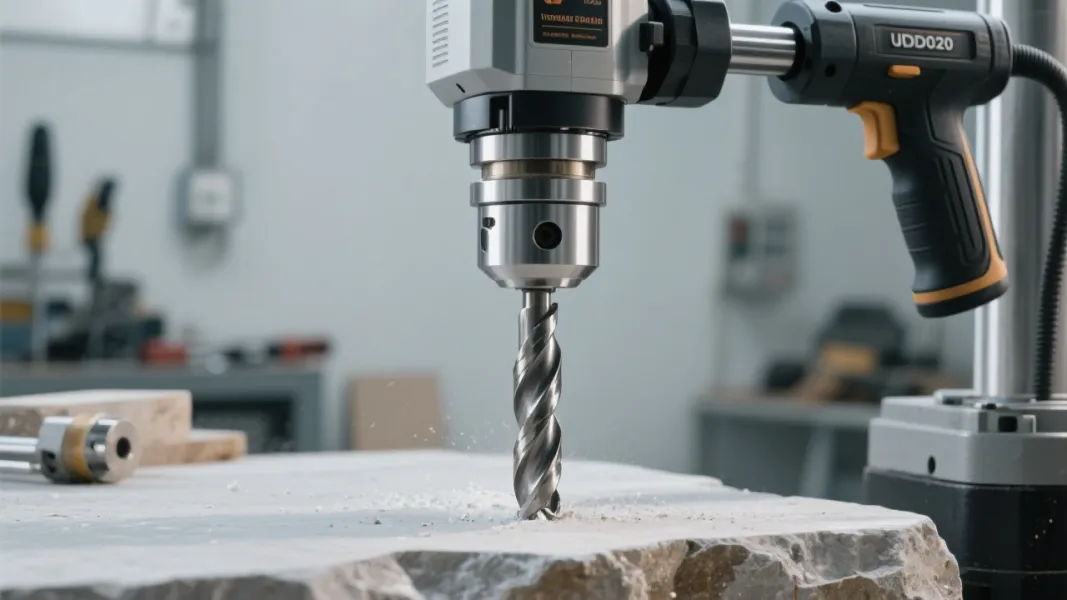
In the modern industrial manufacturing landscape, environmental protection and efficiency are two crucial indicators for measuring the success of cutting operations. Among them, the issue of dust pollution in industrial cutting has always been a concern. This article will delve deep into how the high - end ZS400H brazed diamond saw blade can effectively reduce dust generation during industrial cutting through its optimized design.
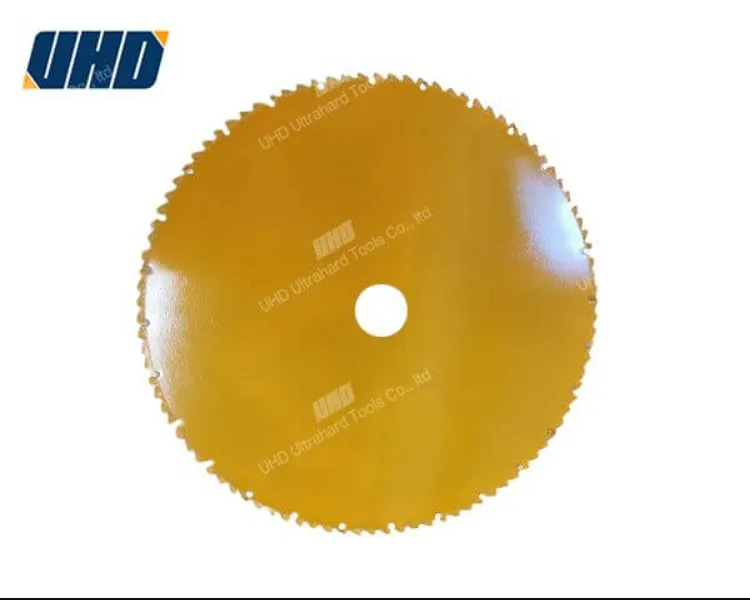
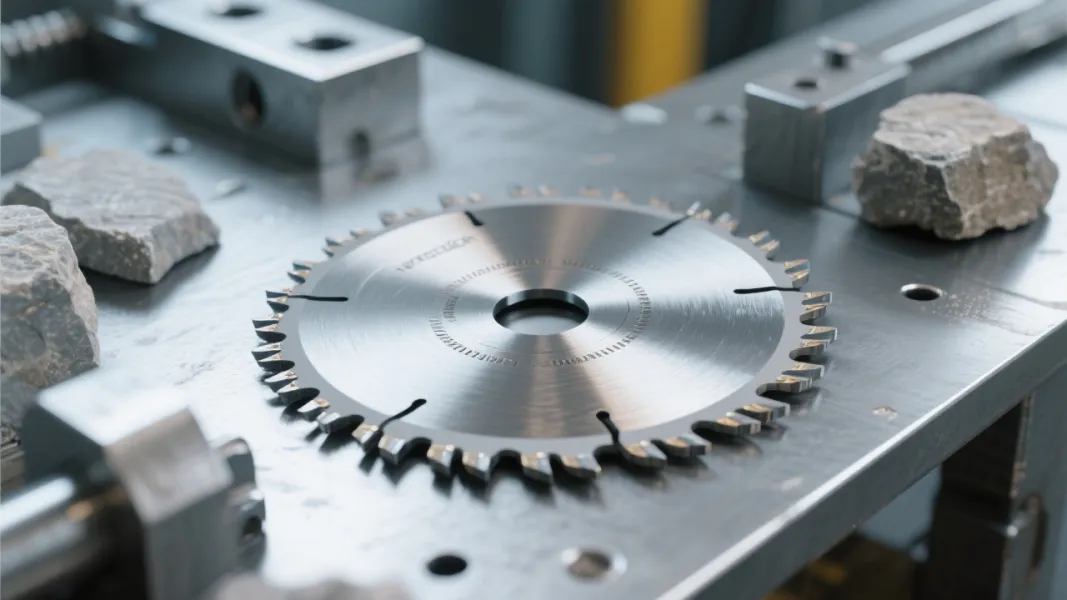
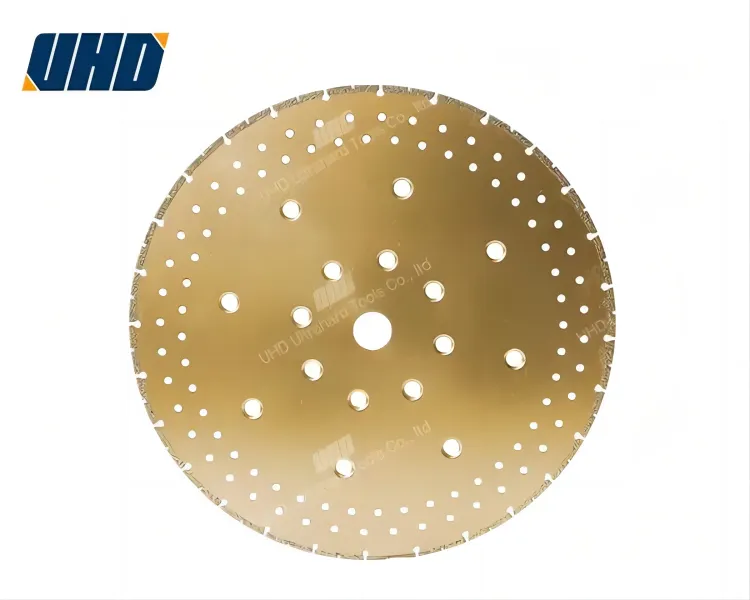
The ZS400H brazed diamond saw blade stands out in dust control due to several key design features. First of all, its precision tooth profile design is a masterpiece. The unique tooth shape can cut through the material more smoothly, reducing the friction and impact between the saw blade and the material, thus significantly decreasing dust generation. According to industry research, compared with ordinary saw blades, the precision - toothed ZS400H can reduce dust production by up to 30% during the cutting process.
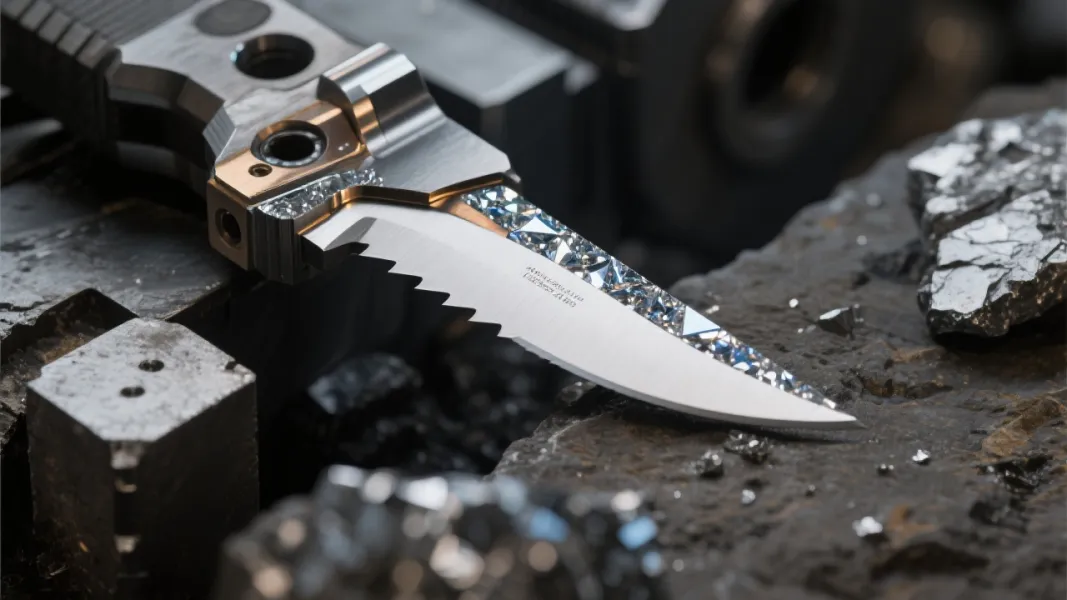
Secondly, the high - density arrangement of diamond particles is another highlight. High - purity diamond particles are evenly distributed on the saw blade surface, providing a more stable and efficient cutting force. This not only improves cutting efficiency but also ensures that the cutting process is more precise, minimizing dust caused by rough cutting. In addition, an optimized chip - removal groove structure plays a crucial role. The well - designed chip - removal grooves can quickly discharge the chips generated during cutting, preventing chips from being ground repeatedly and generating more dust.
When it comes to industrial cutting, there are mainly two cutting methods: dry cutting and wet cutting, and they have different impacts on dust control. In dry cutting, the cutting process lacks the cooling and lubrication of water, which can easily lead to high temperatures and more dust generation. Statistics show that in dry - cutting operations, the dust concentration can reach up to 50mg/m³, which seriously endangers the health of workers and the environment.
In contrast, wet cutting uses water as a coolant and lubricant. The water can effectively absorb the heat generated during cutting and wrap the dust particles, greatly reducing the spread of dust. In wet - cutting operations, the dust concentration can be controlled below 10mg/m³, which is a significant improvement in terms of environmental protection and worker safety. However, wet cutting also has some drawbacks, such as additional water treatment costs and potential corrosion issues for the saw blade and equipment.
To further reduce dust generation and improve cutting efficiency, proper saw blade maintenance and the selection of appropriate cooling methods are essential in actual factory operations. For saw blade maintenance, regular cleaning of the grooves should be carried out. As chips accumulate in the grooves over time, it will affect the chip - removal effect and lead to increased dust. Cleaning the grooves once every 8 - 10 working hours can ensure the normal operation of the saw blade.
Regarding the cooling method, if the factory's budget allows and the cutting material is not sensitive to moisture, wet cutting is a better choice. However, if dry cutting must be used, advanced dust collection equipment should be installed to minimize the impact of dust on the environment and workers. Additionally, using high - quality cooling lubricants during dry cutting can also have a certain dust - reduction effect.
In conclusion, the ZS400H brazed diamond saw blade, with its optimized design, offers a powerful solution for low - dust and environmentally friendly cutting. By understanding the differences between dry and wet cutting and adopting proper maintenance and operation skills, overseas factories can significantly improve their cutting efficiency and environmental protection levels. If you're interested in learning more about efficient and environmentally friendly cutting solutions, click here to explore further.

 270
|
270
|
 stainless steel cutting efficiency
brazed diamond blade advantages
diamond blade selection guide
cutting tool lifespan extension
efficient metal cutting solutions
stainless steel cutting efficiency
brazed diamond blade advantages
diamond blade selection guide
cutting tool lifespan extension
efficient metal cutting solutions
 95
|
ZS400H diamond saw blade
industrial cutting solutions
brazed diamond blade performance
high manganese steel saw blade
eco-friendly cutting tools
466
|
Brazed diamond saw blade
Industrial cutting efficiency improvement
Stainless steel cutting tool
Gray cast iron cutting solution
Saw blade lifespan extension
257
|
400mm diamond blade selection
brazed diamond blade maintenance
dry vs wet cutting
construction cutting efficiency
diamond blade cooling systems
367
|
diamond saw blade lifespan
brazing process optimization
vibration control in saw blades
construction cutting efficiency
stone cutting equipment improvements
95
|
ZS400H diamond saw blade
industrial cutting solutions
brazed diamond blade performance
high manganese steel saw blade
eco-friendly cutting tools
466
|
Brazed diamond saw blade
Industrial cutting efficiency improvement
Stainless steel cutting tool
Gray cast iron cutting solution
Saw blade lifespan extension
257
|
400mm diamond blade selection
brazed diamond blade maintenance
dry vs wet cutting
construction cutting efficiency
diamond blade cooling systems
367
|
diamond saw blade lifespan
brazing process optimization
vibration control in saw blades
construction cutting efficiency
stone cutting equipment improvements









.png?x-oss-process=image/resize,h_600,m_lfit/format,webp)