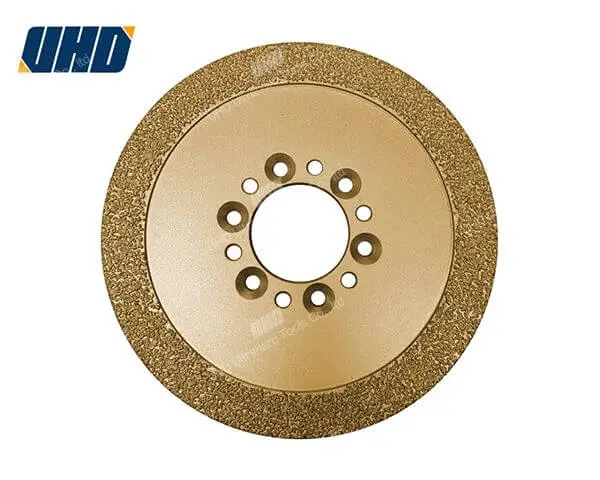
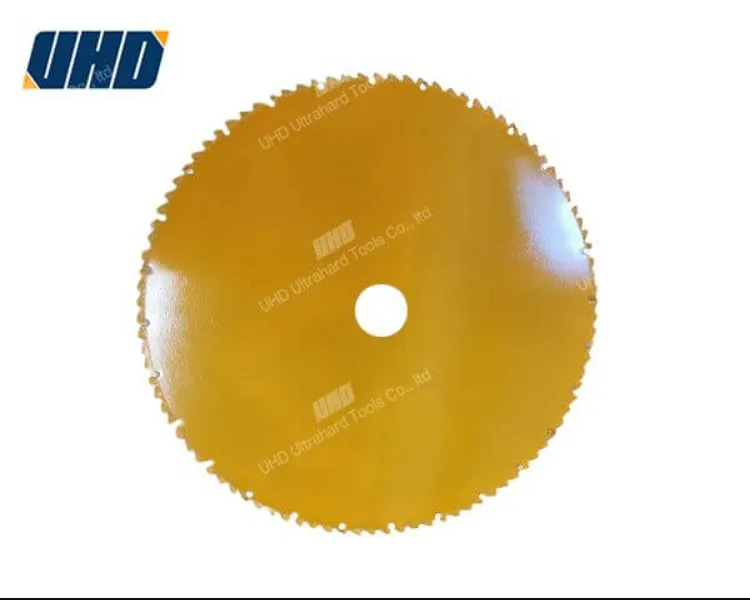
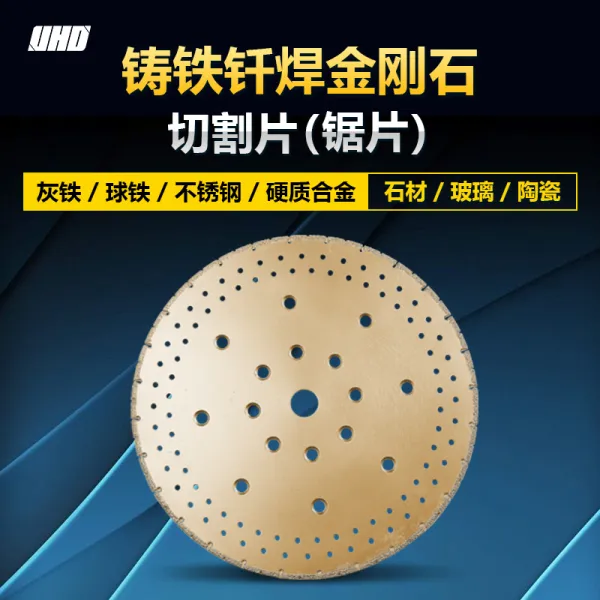
The demand for quieter and more efficient cutting solutions in construction and stone processing has never been greater. Among the pivotal components influencing cutting performance, the design of 400H brazed diamond saw blades plays a critical role in minimizing noise and vibration. This article offers a comprehensive technical analysis of how these blades achieve optimal balance in mechanical behavior, material selection, and brazing process parameters to unlock higher productivity and equipment stability in demanding export markets.
The spatial configuration of diamond-tipped teeth directly influences the dynamic loading and mechanical vibrations during cutting. By employing a variable pitch tooth arrangement—alternating between larger and smaller spacing—these blades disrupt harmonic frequencies that typically amplify noise emissions. Studies show that such randomized spacing can reduce peak vibration amplitudes by up to 20%, leading to significantly quieter operation.
Additionally, tooth geometry incorporating slight chamfering and precise edge angles reduces micro-chipping and tool chatter. Through finite element simulations paired with real-world testing in urban construction sites, blades with optimized tooth patterns demonstrated a 15% increase in average cutting speed without sacrificing surface finish quality.
The base steel used for the saw blade must strike a crucial balance between rigidity to maintain shape integrity and elasticity to damp vibrational energy. Hardened alloy steels with micro-alloying additions such as vanadium and molybdenum deliver ideal stiffness while allowing for controlled flexion under load. Mechanical tests have recorded a 12-18% increase in damping ratio compared to conventional carbon steels.
This tailored balance not only reduces noise caused by blade oscillations but also prolongs blade life by mitigating fatigue cracks. Manufacturers supplying export equipment benefit from enhanced reliability and reduced maintenance downtime, crucial in high-volume production settings.
The 400H saw blade's brazing process fuses diamond segments to the base with a high-temperature brazing alloy designed for optimal adhesion and thermal conductivity. A multi-stage brazing cycle, incorporating gradual heating and controlled cooling, mitigates residual stresses that cause segment loosening or micro-cracking during operation.
Metallurgical analysis confirms that the microstructure at the brazed joint features minimal intermetallic brittleness, ensuring both mechanical stability and effective heat dissipation. This results in a 25% improvement in segment retention force and longer operational intervals before replacement.
| Parameter | Optimal Range | Performance Effect |
|---|---|---|
| Rotational Speed (RPM) | 3000 - 3500 | Balances cut quality and vibration control |
| Feed Rate (mm/min) | 150 - 250 | Optimizes material removal and limits thermal load |
Field experiments in both construction and stone processing plants reveal enhanced equipment stability and lower noise levels when parameters are maintained within these ranges. Deviations tend to increase vibration amplitudes by 10-30%, negatively impacting blade and machine longevity.
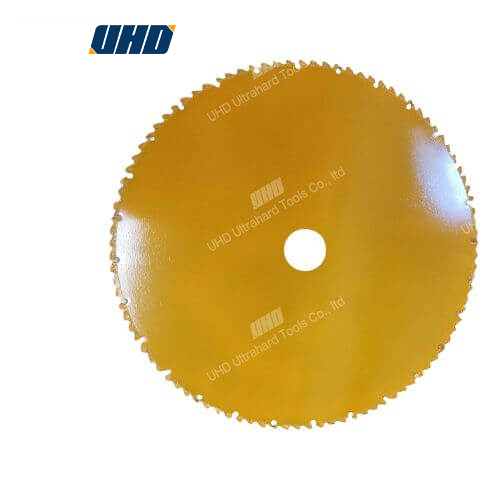
Experienced operators emphasize the importance of early vibration anomaly detection to prevent accelerated wear. Common signs include subtle noise shifts, inconsistent cutting sound frequency, and perceived tool chatter. Utilizing portable vibration analyzers, operators can compare real-time frequency spectra against baseline data to discover imbalances or loose fittings.
Furthermore, minor adjustments in fixture setup, such as clamp tension recalibration or insertion of damping pads, effectively suppress unwanted resonances. Reports from stone cutters in quarries cite up to a 30% noise reduction post-optimization, highlighting the practical value of combined mechanical and operator-level interventions.
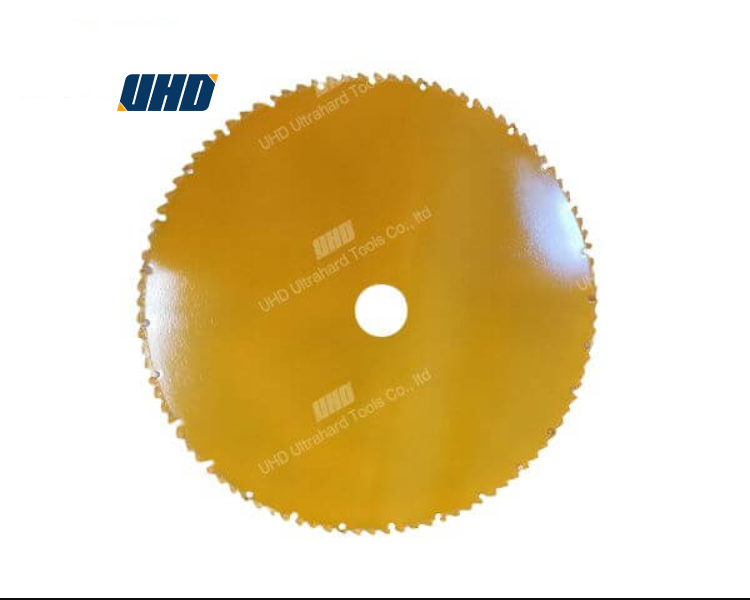
A European construction equipment exporter integrated 400H brazed saw blades in their cutting systems and recorded a 22% reduction in noise levels measured per ISO 11203 standards, alongside a 17% increase in throughput. Another example involves a Southeast Asian stone processing plant where implementing these blades led to a 35% extension in blade service intervals, greatly reducing operational costs.

To access detailed technical consultation for optimizing your cutting equipment with professional brazed diamond saw blades, explore tailored solutions and expert guidance here.