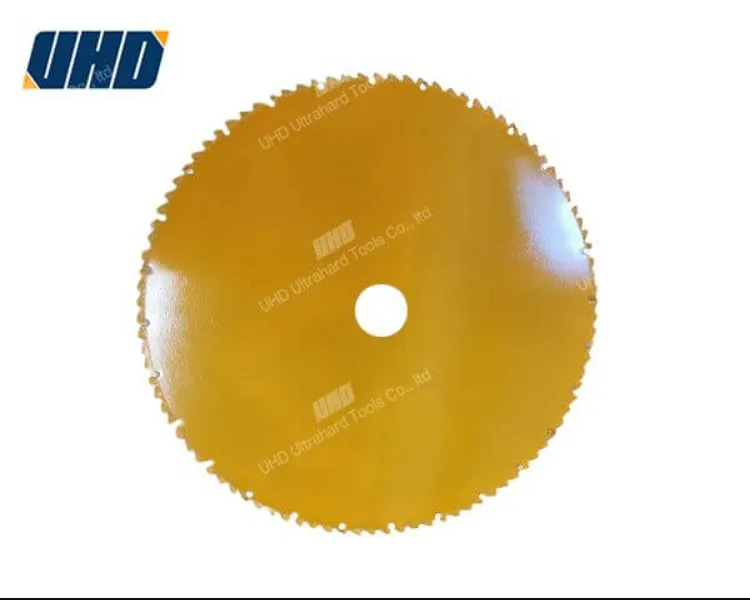
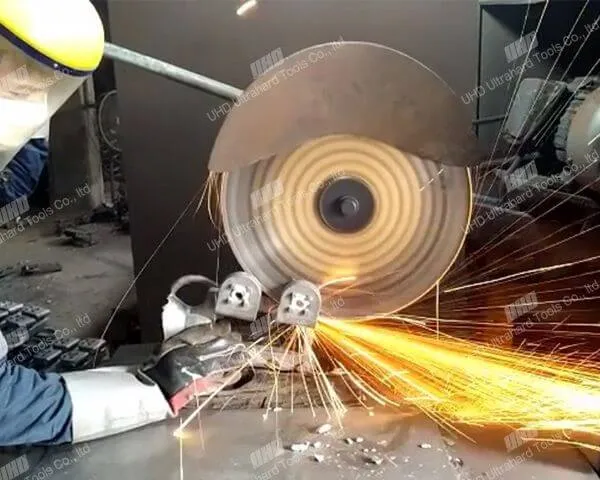
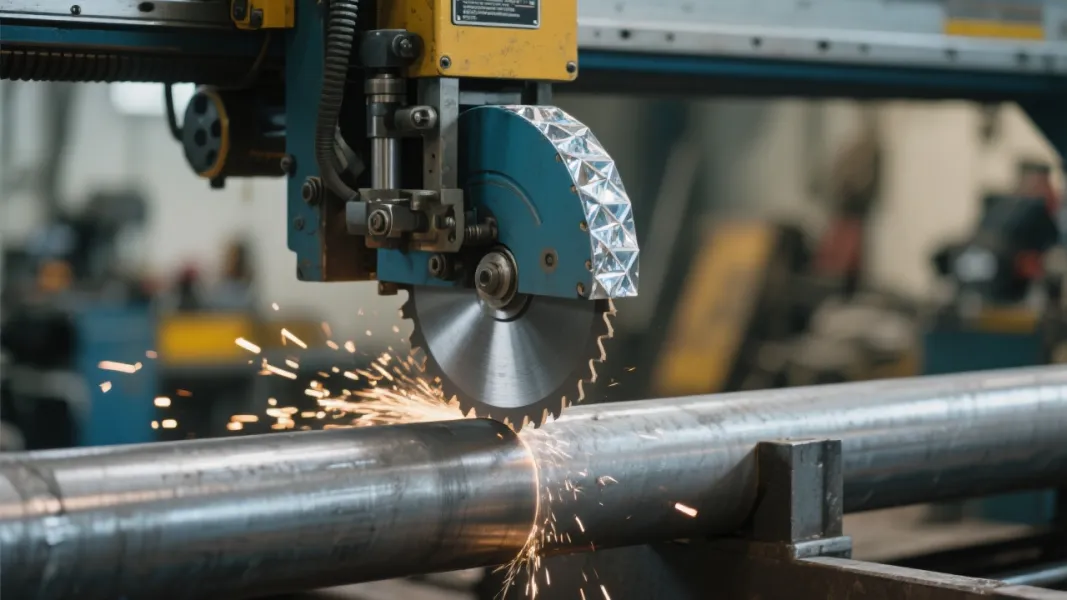
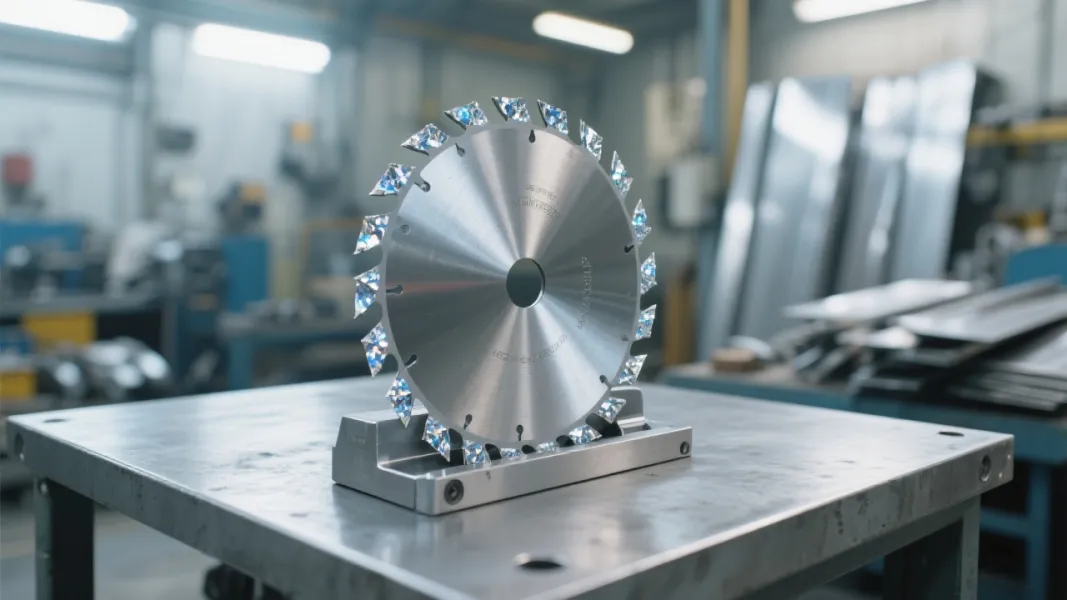
In industrial stone processing and construction, cutting noise and vibration not only compromise operator comfort but also accelerate tool wear and compromise equipment longevity. Among popular cutting tools, the 400mm brazed diamond saw blade stands out for its efficiency and versatility. This article examines how optimized tooth arrangement and substrate material matching significantly reduce cutting noise and vibration — leading to smoother, quieter, and longer-lasting operations.
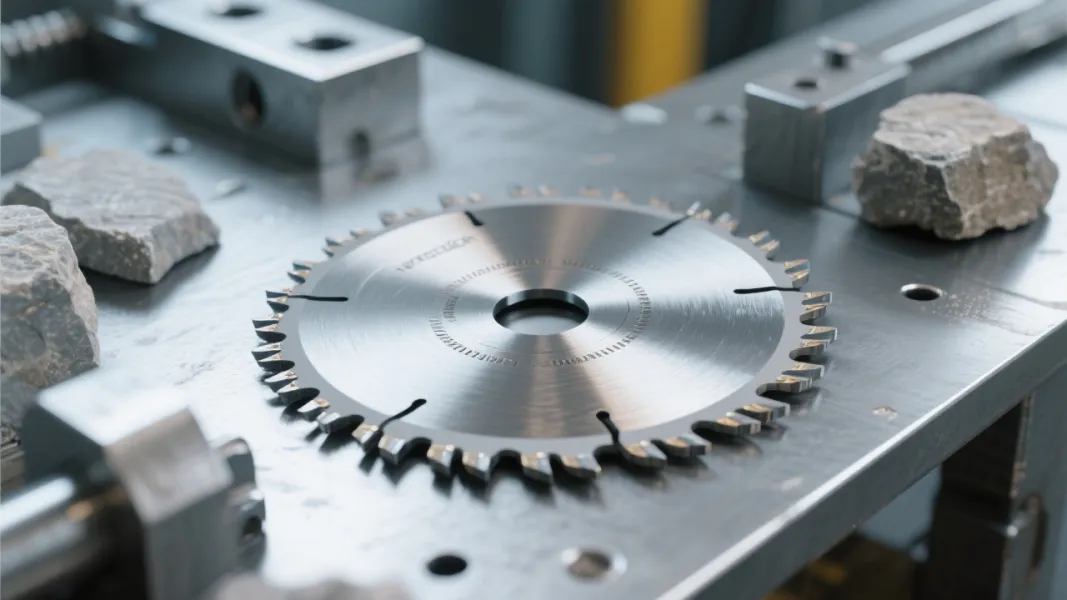
The arrangement of cutting teeth—encompassing their density, angle, and spacing—directly influences vibration amplitude and sound level during cutting. Experimental data indicates that adjusting tooth spacing to 3-4mm intervals at a 10-15° alternating bevel angle can decrease peak vibrational frequencies by up to 25%. This balance improves chip clearance and prevents harmonic resonance caused by uniform tooth distribution.
Moreover, staggered tooth layouts help distribute cutting forces evenly, reducing abrupt impacts that cause noise spikes. For example, a segmented tooth layout with varied pitch design dampens vibrational energy through asynchronous cutting impacts, effectively reducing cumulative noise measured between 85 to 90 decibels down to approximately 75 to 80 dB — a tangible comfort gain for operators on site.
While tooth arrangement deals with the cutting edge dynamics, the saw blade’s base material (substrate) plays a crucial role in absorbing and dissipating vibrational energy. High-rigidity steel alloys (such as heat-treated boron steel) offer structural stability but tend to transmit noise more directly. Conversely, materials incorporating micro-voids or composite overlays introduce damping characteristics.
Recent industry advances utilize layered composite substrates that combine stiffness with internal vibration attenuation. Tests reveal that blades with matched substrate damping properties experience a reduction in resonance duration by up to 40%, which correlates with lower overall noise output and extends blade service life by minimizing stress fractures induced by repeated vibrational cycles.
The brazing process, bonding diamond segments to the steel core, is critical to maintaining the blade's noise and vibration profile over time. Advanced brazing methods utilize precisely controlled temperature cycles and alloy compositions to reduce residual stresses and improve joint strength, which is vital to prevent micro-movements that exacerbate noise.
For example, vacuum brazing with optimized copper-silver based alloys has demonstrated a 30% improvement in joint fatigue resistance compared to traditional methods. This durability ensures consistent tooth stability, which drastically cuts down disruptive vibrations and noise peaks during prolonged cutting tasks.
In field trials involving granite cutting at 2800 RPM spindle speed and feed rates of 1.3 meters per minute, blades designed with optimized tooth arrangement and matched substrates exhibited notably reduced vibration amplitudes measured by piezoelectric sensors (30% lower than baseline blades). Operators reported a significant decrease in auditory discomfort and enhanced cutting stability.
Conversely, in a concrete demolition setting with variable feed rates, blades with inferior brazing quality experienced early onset of abnormal vibration signals and audible “chatter,” underscoring the importance of combined technological factors.
Experienced operators recognize that sudden changes in vibration frequency or amplitude often herald equipment misalignment or wear. Routine monitoring through handheld vibration meters or smartphone-compatible accelerometer apps can provide early warnings.
Adjusting clamping fixtures to eliminate blade wobble, maintaining consistent feed rates, and verifying spindle balancing dramatically improve noise conditions. Such proactive steps also prevent costly downtimes by extending blade lifespan and preserving cutting precision.

 235
|
235
|
 Brazed diamond saw blade
High-hardness material cutting
400mm saw blade
Wear-resistant cutting tool
Building and stone processing saw blade
347
|
ZS400H brazed diamond saw blade
stainless steel cutting solutions
diamond particle technology
brazed vs resin diamond blade
cutting efficiency optimization
369
|
Brazed diamond saw blade
Industrial cutting efficiency improvement
Stainless steel cutting technology
Cast iron cutting solution
Cutting parameter optimization
Brazed diamond saw blade
High-hardness material cutting
400mm saw blade
Wear-resistant cutting tool
Building and stone processing saw blade
347
|
ZS400H brazed diamond saw blade
stainless steel cutting solutions
diamond particle technology
brazed vs resin diamond blade
cutting efficiency optimization
369
|
Brazed diamond saw blade
Industrial cutting efficiency improvement
Stainless steel cutting technology
Cast iron cutting solution
Cutting parameter optimization
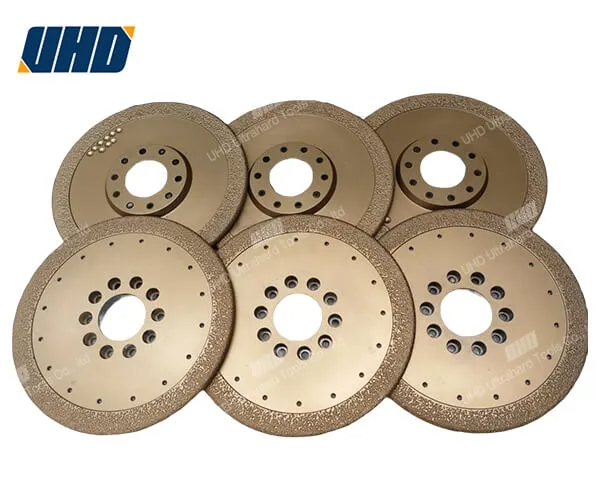 164
|
High-Performance Welded Diamond Cutting Blade 400
Eco-Friendly Cutting Solutions for Metal and Stone Processing
Sustainable Cutting Tools for Professionals
164
|
High-Performance Welded Diamond Cutting Blade 400
Eco-Friendly Cutting Solutions for Metal and Stone Processing
Sustainable Cutting Tools for Professionals
 71
|
concrete cutting blade selection
400mm diamond saw blade applications
brazed diamond saw blade benefits
high-rise demolition tools
stone cutting blade recommendations
71
|
concrete cutting blade selection
400mm diamond saw blade applications
brazed diamond saw blade benefits
high-rise demolition tools
stone cutting blade recommendations







.png?x-oss-process=image/resize,h_600,m_lfit/format,webp)