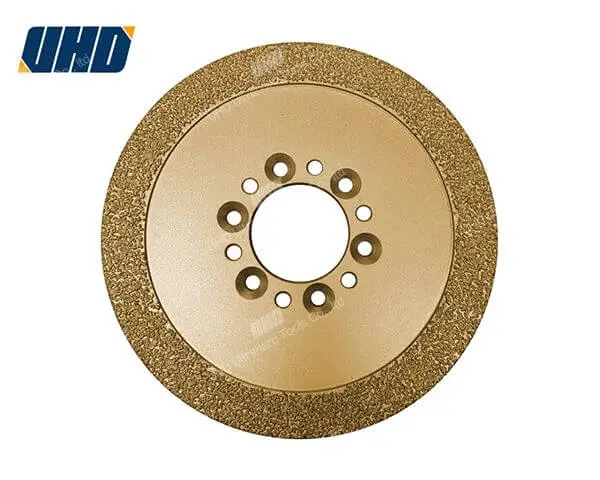
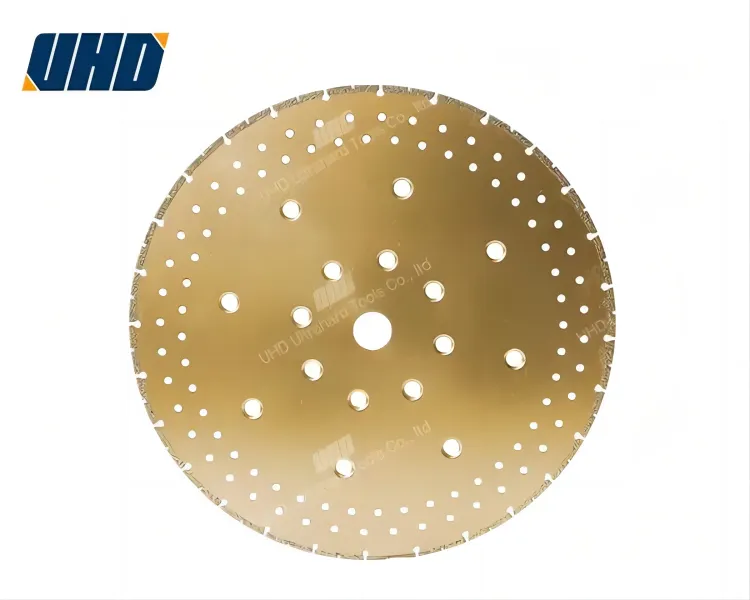
In the global trade of construction and stone - processing tools, the 400mm brazed diamond saw blade stands out as a versatile and reliable product. This article aims to provide a detailed analysis of its features, application scenarios, and operational strategies, serving as an essential guide for overseas projects.
The 400mm brazed diamond saw blade is crafted with advanced brazing technology. This process ensures a strong bond between the diamond segments and the blade matrix, significantly enhancing the blade's durability. Compared to traditional saw blades, the brazed ones can maintain their sharpness for a longer time, reducing the frequency of blade replacement. For example, in a large - scale stone processing project in Italy, a set of traditional saw blades needed to be replaced every 500 square meters of cutting, while the 400mm brazed diamond saw blades only required replacement every 1500 square meters, saving approximately 67% in blade - related costs.
There are two main cutting modes for the 400mm brazed diamond saw blade: dry - cutting and wet - cutting. Each mode has its own applicable scenarios, advantages, and disadvantages.
| Cutting Mode | Applicable Scenarios | Advantages | Disadvantages |
|---|---|---|---|
| Dry - cutting | Indoor renovation projects where water supply is limited, and some small - scale construction sites | No need for a water supply system, convenient for quick - start operations. High cutting efficiency in some soft materials | Generates a large amount of dust, which is harmful to the environment and operators' health. Faster blade wear |
| Wet - cutting | Outdoor large - scale construction projects, stone processing factories | Effective dust suppression, protecting the environment and operators. Prolongs the blade life by reducing heat | Requires a water supply system, which may increase the complexity of the operation |
The brazing process has a significant impact on the performance of the 400mm diamond saw blade. It improves the cooling efficiency during cutting. When the blade is in operation, the heat generated can be quickly dissipated through the well - bonded diamond segments and matrix. This not only reduces the risk of blade deformation but also extends the life of the blade head. In terms of coolant management, proper use of coolant can further enhance the cutting performance. For example, in a wet - cutting operation in a Turkish construction project, using a coolant with the right concentration reduced the blade wear by 30% compared to using plain water.
In dry - cutting, dust control becomes a major challenge. Without proper dust - collection equipment, the dust concentration can reach up to 10mg/m³, far exceeding the safety standard of 2mg/m³. In contrast, wet - cutting can reduce the dust concentration to almost zero. Regarding equipment wear, dry - cutting causes more rapid wear on the saw blade and the cutting machine due to the high temperature generated. Cutting efficiency also varies. In soft materials like gypsum, dry - cutting can achieve a cutting speed of 2 meters per minute, while in hard granite, wet - cutting can increase the efficiency by 20%.
To help you make a more informed decision, we have prepared a practical decision - making flowchart for you to download. This flowchart will guide you through the process of choosing the most suitable cutting mode based on your specific project requirements.
Our 400mm brazed diamond saw blades are of high cost - effectiveness and can meet a variety of construction needs. Don't miss this opportunity to enhance your project's efficiency!
Download the 400mm Diamond Saw Blade Application Guide Now!