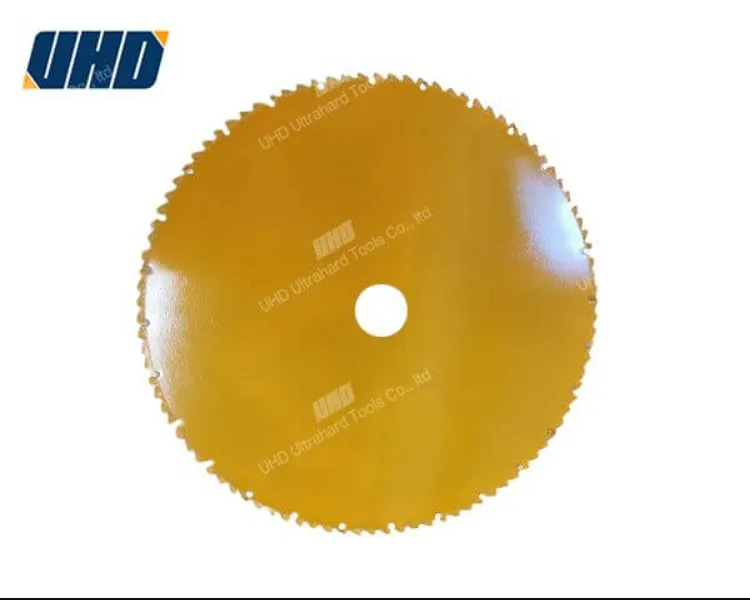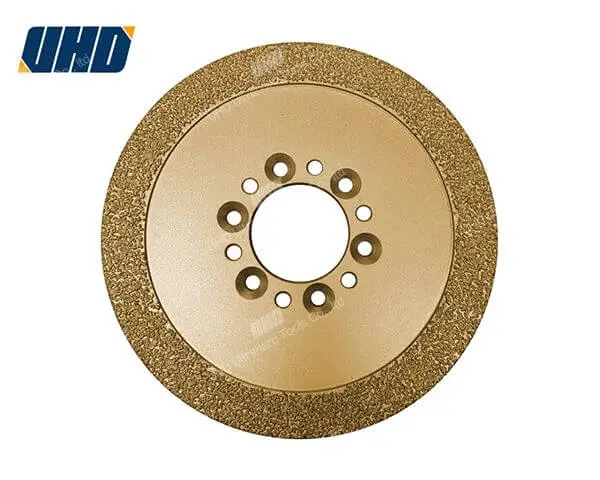
This article delves into the dry and wet cutting applications of 400mm brazed diamond saw blades in construction sites. It aims to assist users in scientifically selecting the cutting mode based on on - site water source conditions, material hardness, and project duration requirements. Through real - world construction cases and professional technical analyses, it explains the applicable scenarios and operation points under different working conditions, with a focus on key factors such as cooling efficiency, saw blade lifespan, and dust control.
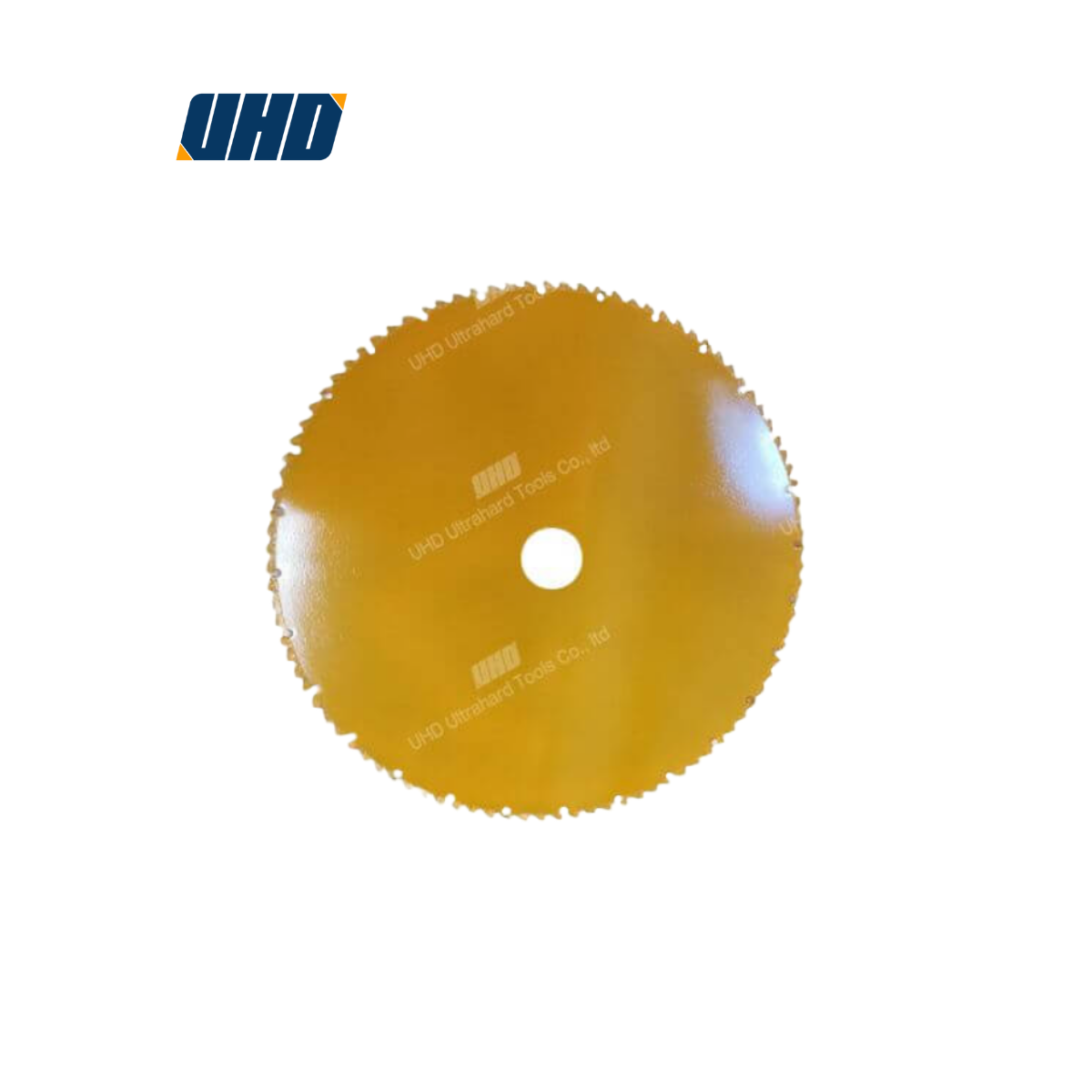
400mm brazed diamond saw blades are widely used in diverse scenarios, including construction sites, stone processing plants, and municipal engineering. In construction sites, dry cutting is often preferred when there is a lack of water sources or when the project requires rapid progress. For example, in a high - rise building construction project, dry cutting was used for cutting pre - cast concrete components due to limited water supply on the upper floors. However, dry cutting generates more dust, which may pose risks to workers' health and require better dust - control measures.
On the other hand, wet cutting is suitable for scenarios where dust control is a priority or when cutting hard materials. In a stone processing plant, wet cutting can significantly reduce the dust generated during the cutting of granite slabs, improving the working environment and the quality of the cut surface. But wet cutting requires a continuous water supply and proper drainage systems, which may increase the complexity of the operation.
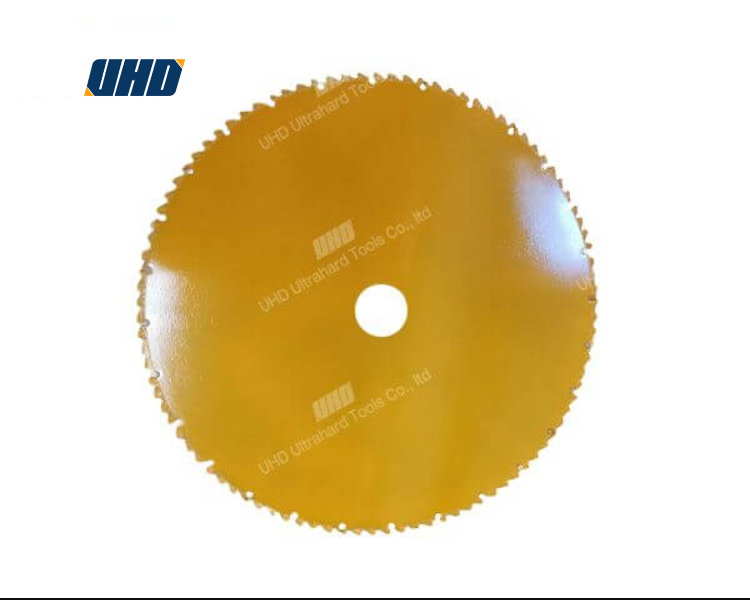
Based on the principle of brazing technology, the cutting efficiency and tool head durability of the saw blade are affected by multiple factors. The brazing quality determines the bonding strength between the diamond particles and the base of the saw blade. A high - quality brazed saw blade can withstand higher cutting forces and maintain its cutting performance for a longer time. For instance, a well - brazed 400mm diamond saw blade can cut through 500 linear meters of medium - hardness concrete with only a 10% wear of the tool head.
| Aspect | Dry Cutting | Wet Cutting |
|---|---|---|
| Dust Management | Generates a large amount of dust, requires additional dust - collection equipment | Significantly reduces dust, better for the working environment |
| Equipment Maintenance | Dust may cause more wear on the saw blade and equipment | Water can cool the saw blade and equipment, reducing wear |
| Cutting Speed | Can be faster in some cases, suitable for urgent projects | May be slightly slower due to the need for water - related operations |

To help users make scientific decisions, a three - step decision - making method is provided. First, assess the water source availability on the site. If water is scarce, dry cutting may be a better choice. Second, consider the hardness of the material to be cut. Harder materials may require wet cutting for better cutting quality and saw blade lifespan. Third, evaluate the project duration. If the project is urgent, dry cutting with proper dust - control measures can speed up the process.
Our 400mm brazed diamond saw blades are designed with high - performance and multi - working - condition applicability in mind. They can meet the needs of various construction projects, ensuring high - efficiency and high - quality cutting. Don't miss out on the opportunity to enhance your construction operations with our top - notch saw blades. Click here to learn more!