As an export customer, you might often face the dilemma of choosing between dry cutting and wet cutting when using a 400mm brazed diamond saw blade. This article aims to provide you with a comprehensive guide to help you make the right decision based on different construction scenarios.
Let's start by looking at some real - world construction scenarios. In construction, stone processing, and municipal projects, the choice between dry and wet cutting can significantly impact the efficiency and quality of your work.
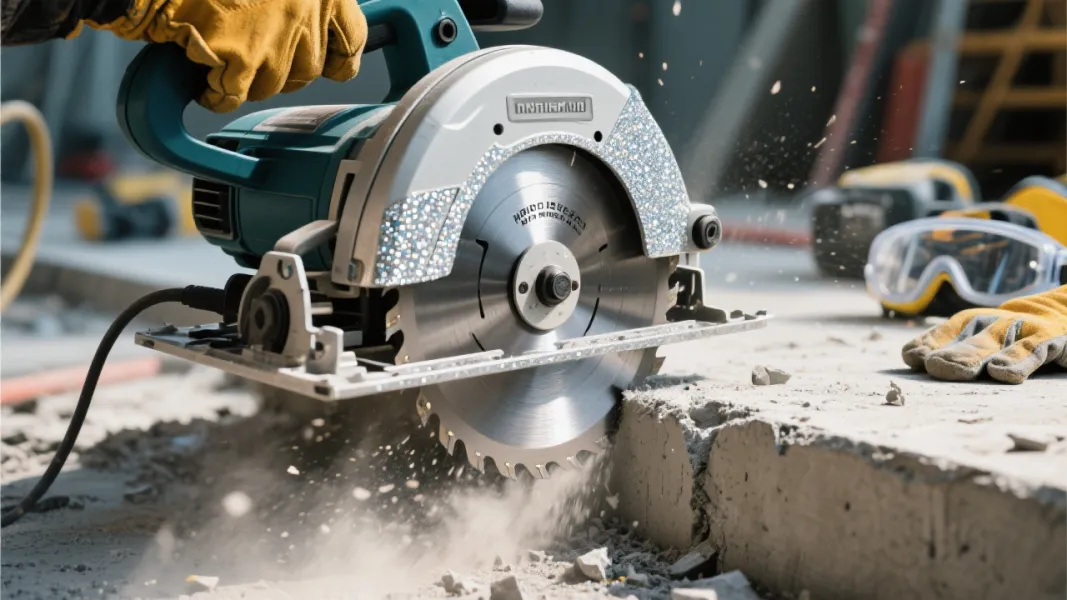
Water - limited environments: If you're working in a location where water supply is scarce, such as a remote construction site or an old building renovation project, dry cutting might be your only option. However, dry cutting generates more dust, which can be a health hazard and may also reduce the lifespan of the saw blade. On the other hand, in an environment with easy access to water, wet cutting can be a better choice. It helps to cool the blade, reducing friction and wear, and also suppresses dust.
High - hardness materials: When cutting hard materials like granite or basalt, wet cutting is often preferred. The water acts as a coolant, preventing the blade from overheating and maintaining its sharpness. In contrast, dry cutting on hard materials can cause the blade to wear out quickly and may even lead to blade breakage.
Tight schedules: If you're on a tight schedule, dry cutting can be faster as you don't have to deal with water supply and drainage issues. But keep in mind that the blade may need to be replaced more frequently, which could add to the overall cost.
| Aspect | Dry Cutting | Wet Cutting |
|---|---|---|
| Dust generation | High | Low |
| Cooling effect | Poor | Good |
| Blade lifespan | Shorter | Longer |
| Cutting speed | Faster (in some cases) | Slower (due to water - related operations) |
Common mistakes: One common mistake is using dry cutting on hard materials without proper ventilation. This not only endangers the health of workers but also reduces the saw blade's performance. Another mistake is not adjusting the cutting speed according to the cutting mode. For example, using the same high - speed setting for both dry and wet cutting can lead to premature blade wear.
Expert tips: When dry cutting, make sure to use a dust collection system to minimize dust inhalation. For wet cutting, ensure that the water flow is consistent and sufficient to cool the blade effectively. Also, always check the blade's condition regularly and replace it when necessary to avoid accidents.
To help you make a quick and accurate decision, we've prepared a simple decision - making flowchart. This flowchart is based on real - world experience and professional knowledge, and it can help you determine whether to choose dry cutting or wet cutting based on your specific working conditions.
Click the link below to download the PDF flowchart, which is designed with a smart judgment logic specifically for global construction sites. It can save you time and effort and prevent damage to the blade, making your project more efficient and worry - free!
Click to Download PDF Flowchart
 94
|
94
|
 Stainless steel cutting
Diamond saw blade
Brazed saw blade
Cutting parameter optimization
Industrial manufacturing cutting technology
483
|
400mm diamond saw blade
brazed saw blade dry and wet cutting
construction site saw blade selection
concrete cutting saw blade
diamond saw blade usage method
Stainless steel cutting
Diamond saw blade
Brazed saw blade
Cutting parameter optimization
Industrial manufacturing cutting technology
483
|
400mm diamond saw blade
brazed saw blade dry and wet cutting
construction site saw blade selection
concrete cutting saw blade
diamond saw blade usage method
 357
|
400mm brazed diamond saw blade
wear resistance testing
cutting efficiency
construction cutting tools
stone processing saw blades
195
|
concrete cutting blade selection
400mm diamond saw blade
brazed diamond blade benefits
construction cutting tools
building demolition equipment
357
|
400mm brazed diamond saw blade
wear resistance testing
cutting efficiency
construction cutting tools
stone processing saw blades
195
|
concrete cutting blade selection
400mm diamond saw blade
brazed diamond blade benefits
construction cutting tools
building demolition equipment
 200
|
superhard diamond cutting tools
high-precision metal processing tools
customized industrial cutting tools
200
|
superhard diamond cutting tools
high-precision metal processing tools
customized industrial cutting tools