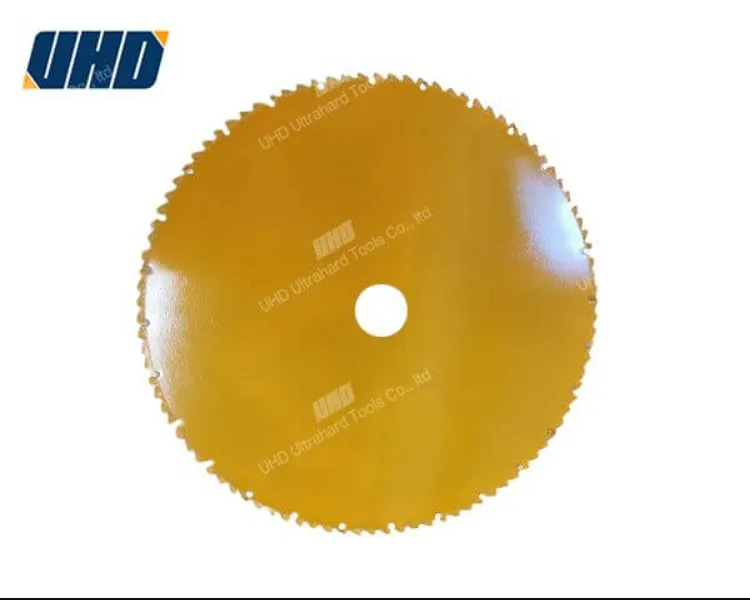
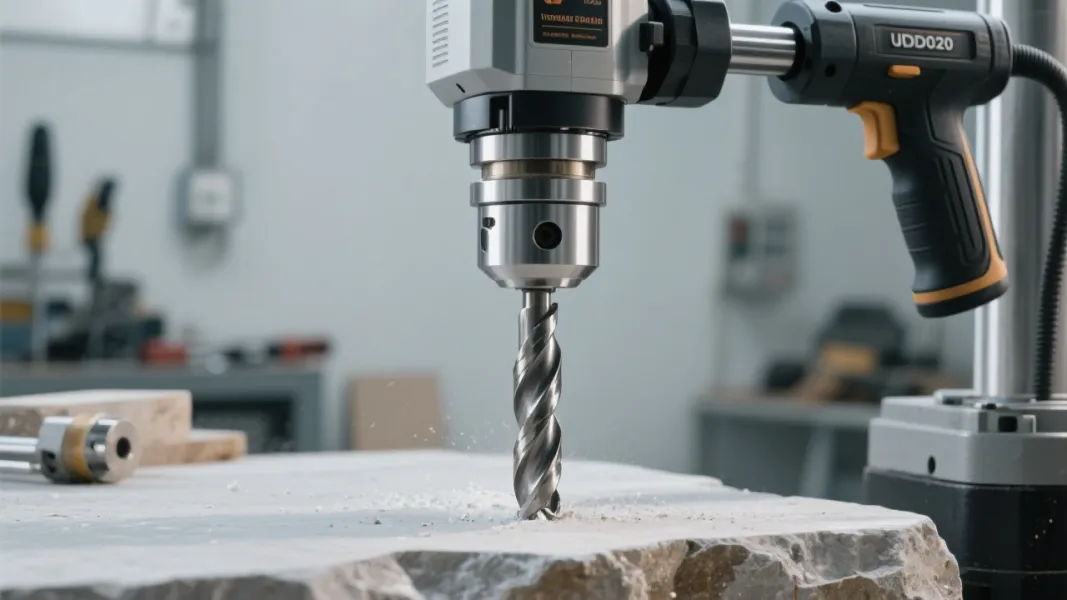
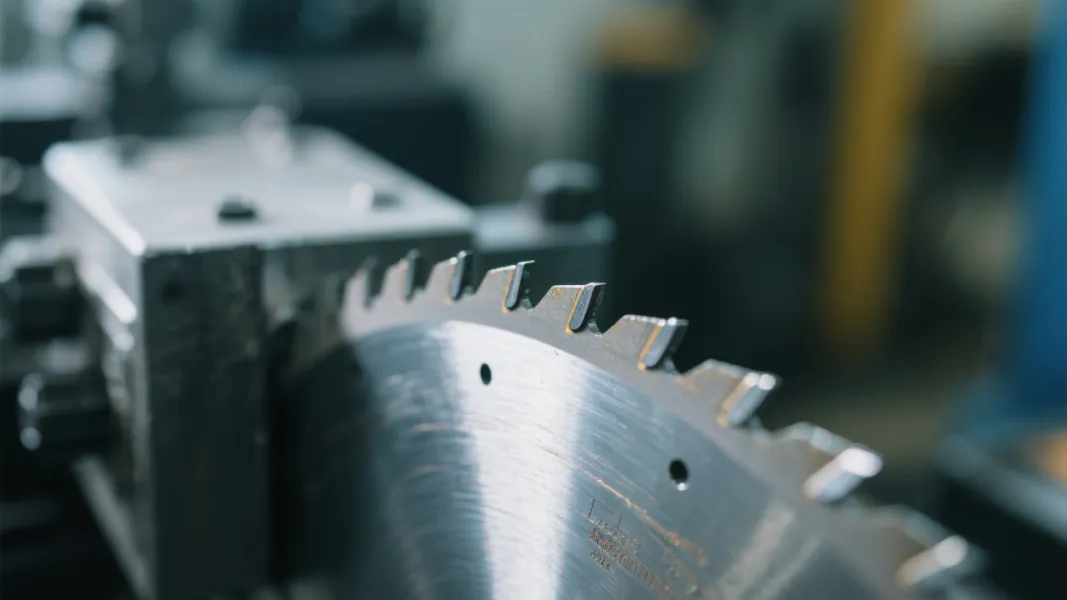
In construction sites, the choice between dry cutting and wet cutting for 400mm brazed diamond saw blades can significantly impact work efficiency and saw blade lifespan. This article delves into the application strategies of these two cutting methods, aiming to help users make informed decisions.
In construction projects, various factors such as water source conditions, material characteristics, and construction schedules need to be considered when choosing the cutting mode. For instance, in areas with limited water sources, dry cutting might be a more practical choice. On average, dry cutting can save up to 80% of water resources compared to wet cutting. However, dry cutting generates more dust, which can pose a threat to the health of workers and the surrounding environment. In contrast, wet cutting can effectively reduce dust, with a dust reduction rate of up to 95%, but it requires a stable water supply.
If there is a sufficient and stable water source on-site, wet cutting is highly recommended. This ensures better cooling during the cutting process, which can extend the saw blade's lifespan by approximately 30%. For example, in large - scale urban construction projects with well - developed water supply systems, wet cutting is widely used.
Different materials have different requirements for cutting modes. Hard and brittle materials, such as granite, are more suitable for wet cutting. The cooling effect of wet cutting can prevent the saw blade from overheating and reduce the risk of blade breakage. Soft materials, on the other hand, can often be cut using either dry or wet methods, but dry cutting can be more efficient in some cases.
In urgent projects where time is of the essence, dry cutting may be preferred due to its relatively faster cutting speed. Dry cutting can be up to 20% faster than wet cutting in certain scenarios. However, it is important to note that long - term continuous dry cutting can cause excessive wear on the saw blade, so proper blade maintenance is crucial.
| Cutting Mode | Advantages | Disadvantages | Risk Prevention |
|---|---|---|---|
| Dry Cutting | No need for water source, faster cutting speed | More dust, higher saw blade wear | Use dust - collecting equipment, control cutting time |
| Wet Cutting | Less dust, better cooling, longer saw blade lifespan | Requires water source, relatively slower cutting speed | Ensure stable water supply, prevent water leakage |
Brazing technology plays a vital role in the performance of diamond saw blades. High - quality brazing can enhance the bonding strength between the diamond particles and the base of the saw blade, improving the saw blade's cutting efficiency and durability. For example, advanced brazing technology can increase the cutting efficiency by up to 25% and extend the saw blade's service life by 40% compared to traditional methods.
In a high - rise building construction project, the construction team initially used dry cutting for the foundation stone cutting. However, due to the high dust generation, it affected the health of workers and the progress of adjacent work. After switching to wet cutting, the dust problem was effectively solved, and the saw blade's lifespan was also extended. As a result, the overall construction efficiency was improved by 15%.
To help users quickly decide between dry cutting and wet cutting, we provide a downloadable decision - making flowchart. This tool simplifies the decision - making process and allows users to choose the most suitable cutting mode according to their specific construction conditions. Click here to download the decision - making flowchart and learn more about 400mm diamond saw blades!
In conclusion, the choice between dry cutting and wet cutting for 400mm brazed diamond saw blades in construction sites depends on multiple factors. By comprehensively considering these factors and using our decision - making tools, users can improve construction efficiency and saw blade lifespan. Visit our official website for more information and professional tools to support your construction projects!
 335
|
335
|
 High - performance diamond cutting blades
Metal cutting blade selection
Welded diamond cutting blade 400
Metal processing cutting tools
Industrial cutting blade quality standards
High - performance diamond cutting blades
Metal cutting blade selection
Welded diamond cutting blade 400
Metal processing cutting tools
Industrial cutting blade quality standards
 255
|
concrete cutting blades
400mm diamond blades
brazed diamond cutting blades
concrete cutting technology
construction blade selection
255
|
concrete cutting blades
400mm diamond blades
brazed diamond cutting blades
concrete cutting technology
construction blade selection
 487
|
concrete cutting saw blade selection
400mm diamond saw blade applications
brazed vs welded diamond blade comparison
dry vs wet cutting methods
durable diamond blade performance
487
|
concrete cutting saw blade selection
400mm diamond saw blade applications
brazed vs welded diamond blade comparison
dry vs wet cutting methods
durable diamond blade performance
 216
|
brazed diamond cutting disc
metal cutting tools
stone cutting solutions
UHD diamond blade
high-performance cutting tools
216
|
brazed diamond cutting disc
metal cutting tools
stone cutting solutions
UHD diamond blade
high-performance cutting tools
 354
|
Concrete cutting saw blade selection
400mm saw blade application scenarios
Comparison of dry and wet cutting
Brazed diamond saw blades
Stone processing tools
354
|
Concrete cutting saw blade selection
400mm saw blade application scenarios
Comparison of dry and wet cutting
Brazed diamond saw blades
Stone processing tools