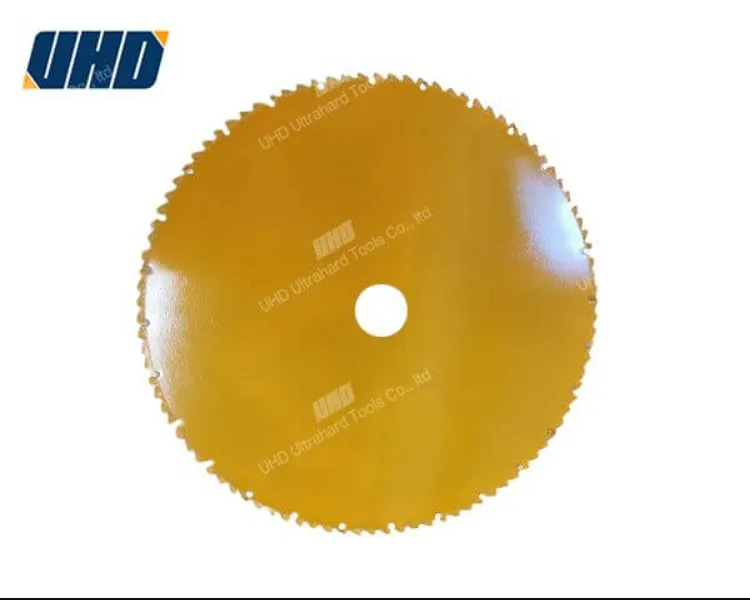
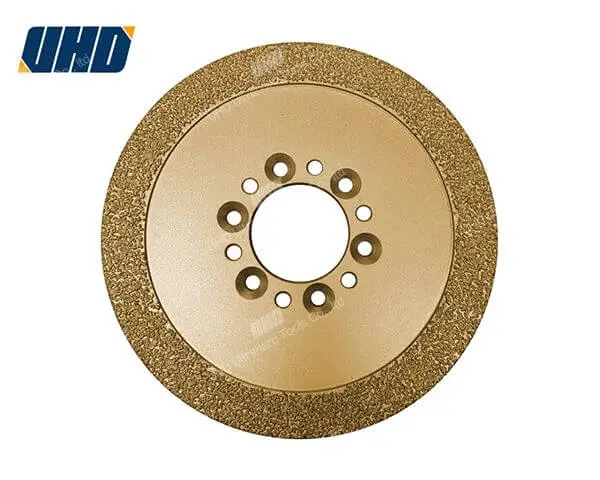
In the fast-paced world of stone fabrication and construction, selecting the correct cutting method isn't just about efficiency—it's about safety, tool life, and environmental compliance. For professionals using 400mm brazed diamond saw blades, understanding when to choose dry cutting versus wet cutting can make a significant difference in project outcomes.
| Factor | Dry Cutting | Wet Cutting |
|---|---|---|
| Cooling Efficiency | Low – relies on airflow | High – water reduces friction heat |
| Dust Generation | High (up to 70% more than wet) | Low – water suppresses airborne particles |
| Blade Life | Shorter (~20–30% less life) | Longer – consistent cooling prevents premature wear |
| Best Use Case | Remote sites, no water access | Indoor facilities, precision work, or regulated environments |
According to field tests conducted across 12 stone processing plants in Europe and the Middle East, wet cutting extended blade life by an average of 27% compared to dry methods under similar material conditions—especially when cutting granite or marble with high silica content.
A commercial tiling contractor in Dubai reported a 40% drop in dust-related worker complaints after switching from dry to wet cutting during a high-rise façade installation. They also noted that their 400mm brazed diamond blades lasted nearly 30% longer, reducing downtime and replacement costs—even though they had to invest in a basic water circulation system.
This aligns with data from OSHA-compliant sites where proper dust control is mandatory. In fact, over 65% of contractors surveyed in North America now prefer wet cutting for indoor projects due to better compliance with occupational health standards.
Pro Tip: If you're working in a location without reliable water supply but still need efficient cutting, consider using a portable dry-cutting unit with integrated air filtration—this helps reduce dust while maintaining productivity.
Use this simple decision framework based on your site conditions:
Remember: even small improvements in cooling and dust management translate into measurable gains in both safety and ROI over time.
Download our free “Dry vs Wet Cutting Decision Guide” PDF — packed with real-world scenarios, checklists, and best practices tailored for stone fabricators and construction teams worldwide.
Get the Free Flowchart Now