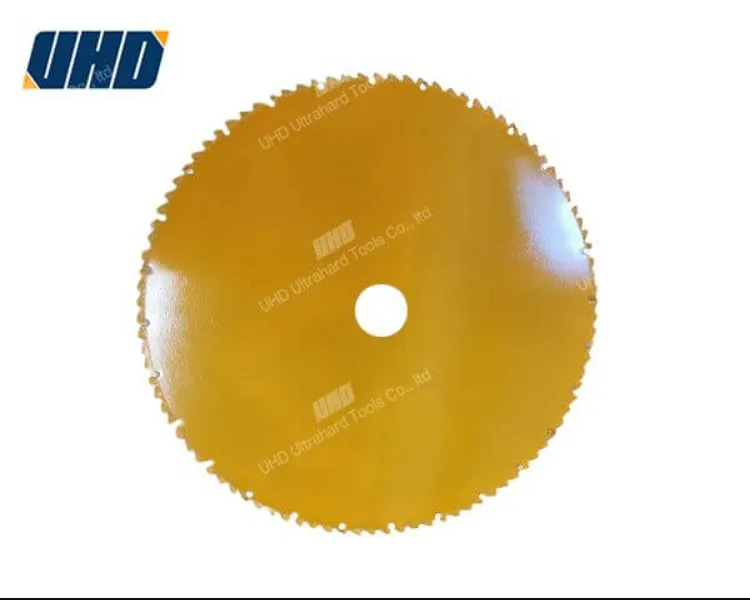
When it comes to construction site operations, choosing between dry cutting and wet cutting for 400mm brazed diamond saw blades can be a crucial decision. This article will guide you through the process from three major dimensions: site water source, material hardness, and project duration requirements. By combining real - world construction cases and a professional decision flowchart, we'll detail the optimal cutting strategies for different working conditions.
The core difference between dry cutting and wet cutting lies in whether water is used during the cutting process. Dry cutting is more flexible as it doesn't require a water source, while wet cutting can effectively reduce dust and cool the saw blade.
Let's take a look at the differences between dry cutting and wet cutting in various aspects through a comparison table:
| Aspect | Dry Cutting | Wet Cutting |
|---|---|---|
| Dust | High dust generation | Low dust generation |
| Equipment Wear | Higher due to heat | Lower due to cooling |
| Cutting Speed | Relatively fast at the beginning | May be slower due to water resistance |
One of the most common problems in dry cutting is overheating, which can lead to damage to the saw blade and reduce its lifespan. For example, in continuous dry cutting of hard materials, the saw blade temperature can rise to over 500°C, which significantly shortens the blade's life. On the other hand, wet cutting may face issues such as water source availability and water - related equipment corrosion.
According to real - world construction experience, in a dry cutting environment with hard materials, the blade life may be reduced by about 30% compared to wet cutting. In wet cutting, if the water flow is not properly controlled, it can also cause uneven cooling and affect the blade life.
Here are some operation points: In dry cutting, it is necessary to control the cutting speed and take breaks regularly to prevent overheating. In wet cutting, ensure a stable water supply and clean the saw blade and equipment regularly to prevent corrosion.
The brazing process of the diamond saw blade has an impact on the cooling efficiency. A well - brazed saw blade can better transfer heat during wet cutting, reducing the risk of overheating. The high - strength bonding between the diamond and the substrate also ensures the stability of the saw blade during cutting.
To help you make a quick and scientific decision, we've prepared a simple decision flowchart. Don't blindly choose dry cutting anymore. First, take a look at this flowchart! It takes into account factors such as site water source, material hardness, and project duration requirements. You can download this decision - making tool to make decisions more efficiently.
By using this flowchart, you can avoid common misunderstandings, such as thinking that wet cutting is always more durable. The secret to extending your saw blade's life by 30% lies in this step!
In conclusion, choosing between dry cutting and wet cutting for 400mm diamond saw blades requires comprehensive consideration of multiple factors. This article provides you with in - depth analysis and practical tools to help you make the right decision, improve efficiency, extend the saw blade life, and ensure work safety. Click here to learn more about 400mm diamond saw blade applications and get more decision - making resources!