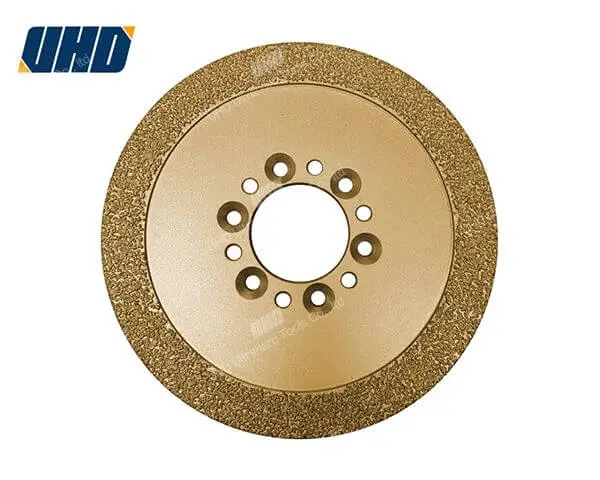
When it comes to precision and efficiency in construction projects—whether you're cutting concrete, asphalt, or stone—the right choice between dry and wet cutting isn’t just a preference—it’s a strategic decision that affects tool life, safety, and project timelines.
“In the field, one wrong cut can cost thousands in delays. But with the correct blade setup, even high-volume jobs become manageable.” — Mark Johnson, Senior Project Engineer at BuildTech Global
With over 70% of global construction firms now using diamond tools for hard material cutting (source: Construction Equipment & Technology Report 2023), the 400mm diameter has emerged as the sweet spot for both handheld and semi-automatic saws. Its balance of portability and power makes it ideal for urban infrastructure, precast concrete work, and quarry operations.
| Factor | Dry Cutting | Wet Cutting |
|---|---|---|
| Tool Life (Avg. Cuts) | ~1,200 cuts | ~2,500+ cuts |
| Dust Generation | High (PM2.5 levels up to 250 μg/m³) | Low (with proper water flow) |
| Cooling Efficiency | Moderate (relies on airflow) | Excellent (water removes heat instantly) |
| Setup Complexity | Low (no hoses needed) | Medium (requires pump system) |
In a recent case study from Dubai’s Metro Expansion Project, engineers chose wet cutting for tunnel lining segments due to dust control regulations and continuous operation needs. The result? A 40% increase in blade lifespan compared to previous dry-cutting attempts.
Conversely, in remote mining sites across Mongolia where water access is limited, dry cutting proved more practical—even though operators reported higher noise levels and moderate blade wear. Here, the trade-off was acceptable given logistical constraints.
For residential demolition crews in Germany, wet cutting remains standard practice—not only for compliance with strict environmental laws but also because local clients value clean workspaces and minimal disruption.
Even the best blade fails fast without proper care. Key practices include:
These small steps reduce downtime and improve ROI significantly—often paying for themselves within two months of consistent use.
If you’re managing a team of operators or sourcing tools for multiple job sites, understanding this distinction isn't optional—it's essential.
Explore our range of 400mm brazed diamond blades, engineered for durability, consistent performance, and adaptability across diverse environments—from busy city centers to off-grid construction zones.
Get Your Free Technical Guide Now →