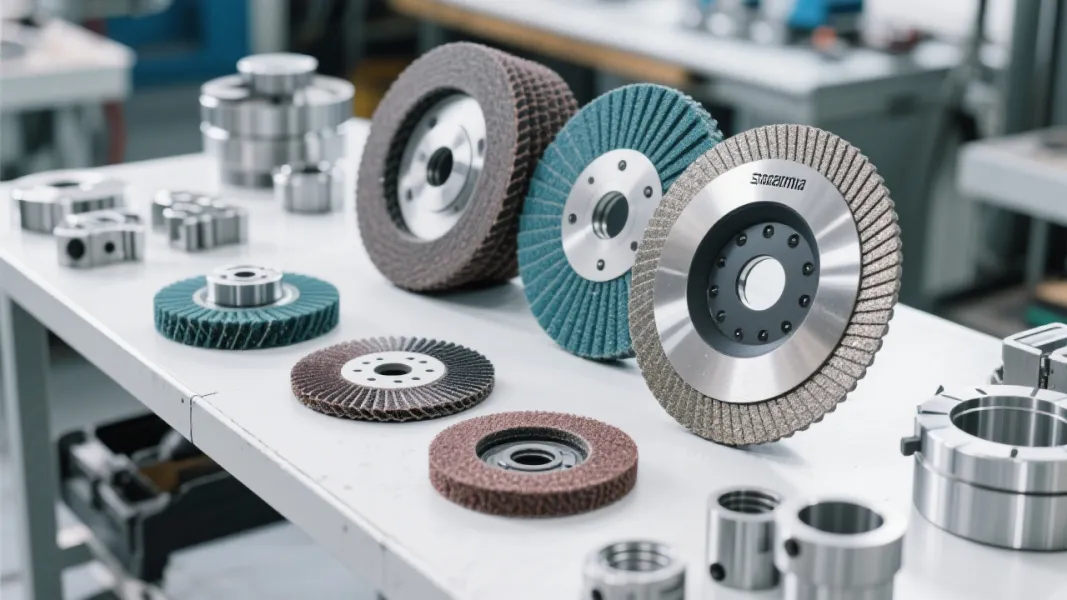
The choice between wet and dry cutting when using 400mm brazed diamond saw blades in municipal engineering projects is pivotal for both operational efficiency and blade longevity. This article dissects the cooling strategies applicable in scenarios where water supply is constrained, advocating for dry cutting as the optimal approach under such conditions.
Across construction sites, stone processing factories, and municipal infrastructures, environmental and resource conditions vary widely. Wet cutting traditionally offers superior dust suppression and blade cooling by circulating water along the blade edge, reducing heat and wear. However, limited water availability in remote or regulated urban areas introduces operational challenges that often render dry cutting more feasible.
The brazed diamond blade’s performance hinges largely on efficient heat dissipation. Wet cutting achieves this by using water as a coolant, reducing frictional heat from cut zones and preventing premature blade glazing or segment damage. Conversely, dry cutting relies on intermittent cutting motions and built-in blade segment design to dissipate heat via air cooling and spark control.
| Parameter | Wet Cutting | Dry Cutting |
|---|---|---|
| Dust Control | Excellent, water suppresses airborne particles by >95% | Moderate, requires personal protective equipment (PPE) and dust extraction systems |
| Blade Wear Rate | Lower, water reduces heat-induced segment deterioration (~15-20% slower wear) | Higher, thermal stress accelerates wear by ~25-30% compared to wet cutting |
| Cutting Efficiency | High, continuous cooling facilitates faster cutting rates | Variable, requires operator skill and intermittent cutting to maintain efficiency |
| Water Requirement | High, needs steady supply (~5-10 liters per minute) | None, suitable for water-restricted environments |
Anonymized project data from municipal road renovations in arid regions underscores the practical advantages of dry cutting. Limited municipal water led contractors to adopt dry cutting with 400mm brazed diamond blades, adjusting feed rates and incorporating air dust extraction. While blade wear increased marginally, project timelines met budget expectations without water infrastructure upgrades, confirming dry cutting’s pragmatic value.
Selecting between wet and dry cutting requires careful evaluation of site-specific parameters including water availability, dust control regulations, equipment capability, and cutting material hardness. The accompanying flowchart distills this decision process into a clear, stepwise guide helping project managers swiftly identify the optimal cutting strategy aligned with operational constraints.
Download the 400mm Blade Cooling Strategy Flowchart & Explore Our Cutting Solutions
Operators often overlook the critical balance between feed rate and cooling efficiency—too fast in dry cutting leads to overheating, while insufficient water flow in wet cutting causes blade segment cracking. Best practices recommend monitoring blade temperature via infrared sensors and enforcing scheduled blade maintenance cycles to sustain safety and precision.
Industry experts including the International Concrete Cutting & Grinding Association emphasize that while wet cutting remains the gold standard for dust and heat management, modern blade designs optimized for dry cutting have substantially narrowed performance gaps—especially in resource-limited contexts.
Properly implemented, dry cutting represents a viable and often necessary solution when water is scarce, ensuring uninterrupted progress in municipal engineering projects without sacrificing quality. Continuous innovation in blade technology and cooling methods is rapidly expanding the operational envelope where dry cutting can compete effectively against traditional wet methods.
Consult Our Experts on Cutting Solutions for Municipal Engineering Projects

 465
|
465
|
 400H brazed diamond saw blade
dry wet cutting saw blade
concrete cutting tools
high hardness material saw blade
stone processing solution
400H brazed diamond saw blade
dry wet cutting saw blade
concrete cutting tools
high hardness material saw blade
stone processing solution
 43
|
ZS400H brazed diamond blade
industrial cutting blade
cutting complex workpieces
high-performance blade
eco-friendly blade
43
|
ZS400H brazed diamond blade
industrial cutting blade
cutting complex workpieces
high-performance blade
eco-friendly blade
 415
|
400H brazed diamond saw blade
vibration reduction in cutting tools
noise control in construction saws
diamond blade design optimization
brazing process for high-performance saws
415
|
400H brazed diamond saw blade
vibration reduction in cutting tools
noise control in construction saws
diamond blade design optimization
brazing process for high-performance saws
 491
|
400H brazed diamond saw blade
noise reduction saw blade
vibration control diamond blade
high-efficiency diamond blade
brazing technology for diamond tools
491
|
400H brazed diamond saw blade
noise reduction saw blade
vibration control diamond blade
high-efficiency diamond blade
brazing technology for diamond tools
 388
|
high-performance diamond cutting blade
UHD diamond blade
metal cutting efficiency
stone cutting blade
extended blade life
388
|
high-performance diamond cutting blade
UHD diamond blade
metal cutting efficiency
stone cutting blade
extended blade life







.png?x-oss-process=image/resize,h_600,m_lfit/format,webp)