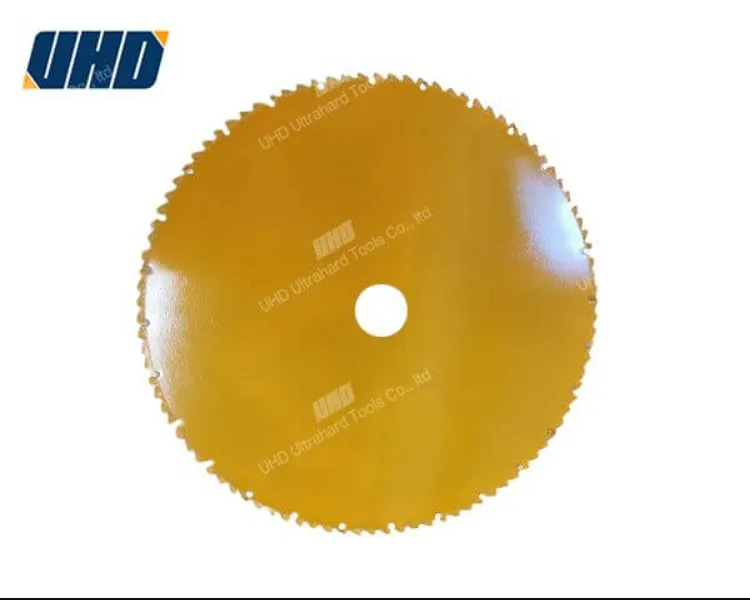
When it comes to construction projects, the 400mm concrete cutting saw blade is a versatile tool. It is widely used in high - rise building demolition, floor treatment, and bridge maintenance. For example, in high - rise building demolition, the large diameter of the 400mm saw blade allows for efficient cutting through thick concrete structures. In floor treatment, it can precisely cut and shape the floor surface. And in bridge maintenance, it helps in repairing damaged concrete parts.
Recognizing when the cutter head of your 400mm saw blade is worn is crucial for both efficiency and safety. Visually, you can look for signs such as a dull edge, chipping, or unevenness on the cutter head. Operationally, if you notice a significant decrease in cutting speed or an increase in the amount of force required to cut, these are also indicators of wear. As a general rule, when the cutter head has lost about 30% of its original height, it's time to consider replacement. Here is a simple table showing the wear levels:
| Wear Level | Visual Sign | Operational Sign |
|---|---|---|
| Slight | Slight dullness on the edge | Slight decrease in cutting speed |
| Moderate | Chipping on the cutter head | Noticeable increase in cutting force |
| Severe | Significant unevenness and large chips | Very slow cutting speed, difficult to cut |
There are two main cooling methods for concrete cutting: dry cutting and wet cutting. Dry cutting is more convenient as it doesn't require a water source. However, it generates a large amount of dust, which can be a health hazard and may also cause damage to the equipment in the long run. On the other hand, wet cutting reduces dust and helps in cooling the saw blade, which can extend its lifespan. But it requires a water supply and proper drainage. If you are working in an enclosed space with poor ventilation, wet cutting is recommended. In an open - air construction site with limited water access, dry cutting might be a better choice.
The 400H saw blade uses brazed technology, which is different from traditional welding. Brazed joints are stronger and more stable. Studies have shown that a brazed 400mm saw blade can have a lifespan that is about 20% - 30% longer than a traditionally welded one. The brazed process also ensures better heat distribution during cutting, reducing the risk of overheating and blade deformation.
Front - line construction workers have shared some useful tips. For example, always make sure the saw blade is properly installed and tightened before starting the cutting operation. Also, try to maintain a consistent cutting speed to avoid uneven wear on the cutter head. One industry expert said, "Proper maintenance and correct usage of the saw blade can significantly improve its performance and lifespan."
As you can see, the 400H brazed diamond saw blade offers many advantages in terms of durability, performance, and safety. Its advanced brazed technology and high - quality design make it a reliable choice for various construction projects. It is this kind of durable design that has made thousands of projects around the world trust the 400H saw blade. If you want to learn more about the outstanding performance of the 400H saw blade, click here.