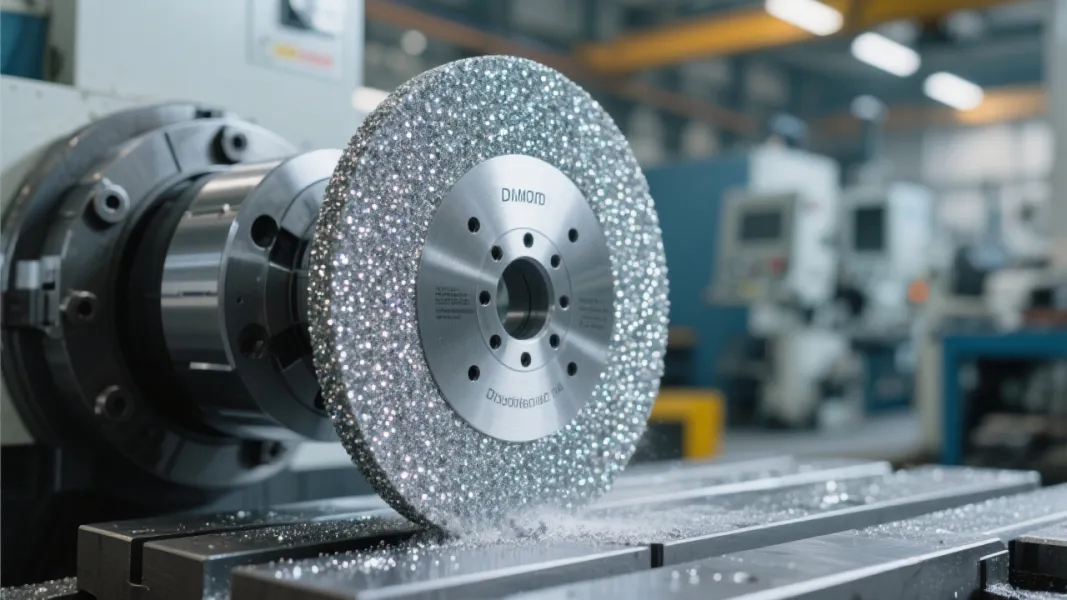
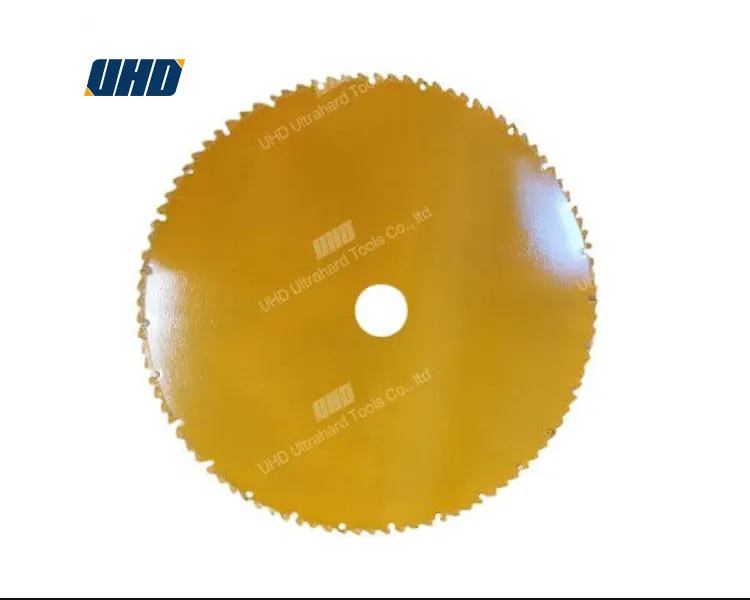
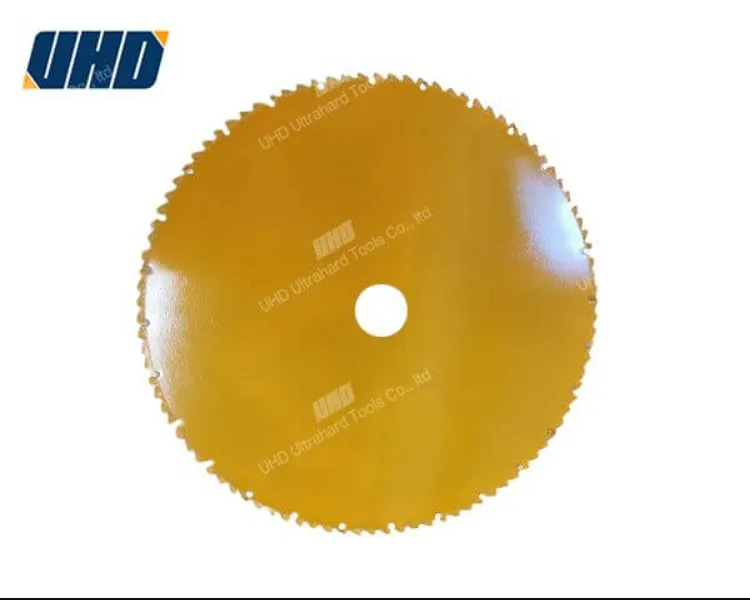
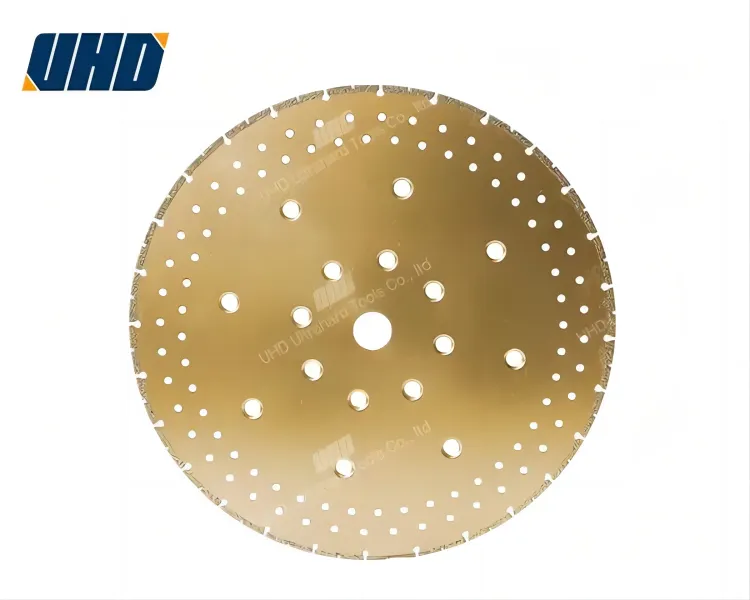
When it comes to using a 400mm brazed diamond saw blade, one of the most crucial decisions you'll face is whether to opt for dry cutting or wet cutting. This article aims to provide you with a comprehensive analysis of the two cutting modes, helping you make an informed choice based on different construction scenarios.
The fundamental difference between dry cutting and wet cutting lies in the cooling method. Dry cutting relies on the natural heat dissipation of the saw blade and the workpiece, while wet cutting uses water to cool the blade and reduce friction. This difference leads to distinct applicable working conditions.
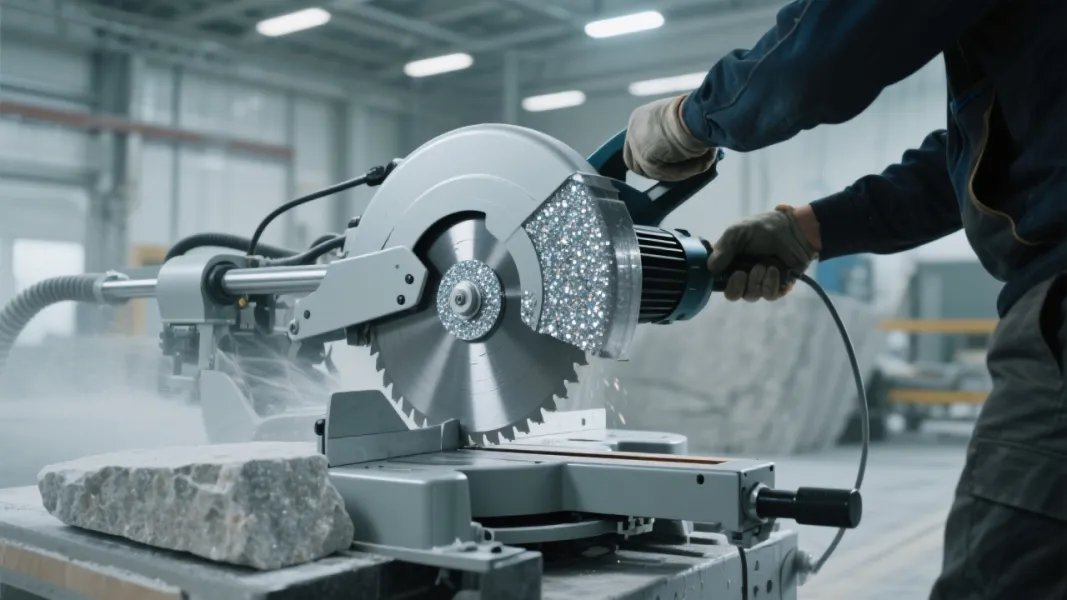
In construction sites where water sources are scarce or difficult to access, dry cutting is often the only option. However, it generates more dust and may cause faster wear and tear on the saw blade. On the other hand, wet cutting is suitable for scenarios where dust control is a priority, such as in indoor construction or in areas with strict environmental regulations. It can also improve the cutting speed and the quality of the cut surface.
Let's take a look at some real construction cases to understand the operation points and risk control in different environments. In a construction site for a high - rise building, dry cutting was initially used for cutting concrete beams. However, due to the high dust generation, it not only affected the health of the workers but also led to premature wear of the saw blade. After switching to wet cutting, the dust was effectively controlled, and the saw blade's service life was extended by about 30%.
In a stone factory, when cutting hard granite, wet cutting was the preferred method. The water cooled the blade, preventing the blade from overheating and reducing the risk of the diamond segments falling off. However, if the water supply was unstable, it could still cause uneven cooling and damage to the blade. Therefore, ensuring a stable water supply is a key operation point in wet cutting.
Brazing technology plays a vital role in improving the cooling efficiency and blade life of diamond saw blades. The brazing process creates a strong bond between the diamond segments and the blade matrix, which enhances the heat transfer efficiency. When the saw blade is cutting, the heat can be quickly transferred from the diamond segments to the blade matrix and then dissipated into the air or water. This reduces the temperature of the diamond segments, preventing them from overheating and wearing out prematurely.
Compared with traditional sintered diamond saw blades, brazed diamond saw blades can withstand higher temperatures and have a longer service life. In some tests, brazed diamond saw blades showed a 40% increase in service life compared to sintered ones under the same cutting conditions.
To help you make a quick and accurate decision on whether to choose dry cutting or wet cutting, we provide a downloadable simple decision - making flowchart. This flowchart is based on three key factors: water source conditions, material hardness, and project schedule pressure. By following this flowchart, you can quickly determine the optimal cutting mode for your specific situation.
| Cutting Mode | Dust Control | Equipment Wear | Cutting Speed |
|---|---|---|---|
| Dry Cutting | Poor | High | Relatively slow |
| Wet Cutting | Good | Low | Relatively fast |
One common mistake is blindly believing that wet cutting always extends the saw blade's life. In some cases, such as when cutting soft materials with a low water supply, wet cutting may actually cause more damage to the saw blade due to the formation of mud and the lack of proper cooling. Another mistake is not considering the material hardness when choosing the cutting mode. Hard materials usually require more cooling, so wet cutting is often a better choice.
Your construction site or factory, which cutting mode is more suitable? By following the three - step decision - making method and avoiding common mistakes, you can significantly improve the service life of your 400mm brazed diamond saw blade, reduce costs, and improve work efficiency. Our 400mm brazed diamond saw blades are known for their strong wear - resistance, high compatibility, and the ability to be used for both dry and wet cutting. Don't miss out on this opportunity to enhance your cutting operations!
Click here to learn more about our 400mm brazed diamond saw blades!
 465
|
465
|
 400H brazed diamond saw blade
dry wet cutting saw blade
concrete cutting tools
high hardness material saw blade
stone processing solution
400H brazed diamond saw blade
dry wet cutting saw blade
concrete cutting tools
high hardness material saw blade
stone processing solution
 94
|
diamond saw blade noise reduction
400mm vibration dampening blade
construction site cutting solutions
wet and dry cutting blades
stone processing tool optimization
94
|
diamond saw blade noise reduction
400mm vibration dampening blade
construction site cutting solutions
wet and dry cutting blades
stone processing tool optimization
 248
|
Concrete cutting saw blade selection
400mm brazed diamond saw blade
Construction saw blade
Brazed saw blade technology
Cutting depth and safety
248
|
Concrete cutting saw blade selection
400mm brazed diamond saw blade
Construction saw blade
Brazed saw blade technology
Cutting depth and safety
 37
|
UHD diamond blade
welding diamond blade
cutting cost reduction
industrial cutting solutions
high-performance cutting tools
241
|
Stainless steel cutting efficiency improvement
Diamond saw blade selection guide
Advantages of brazed diamond saw blades
Saw blade life extension
Stainless steel cutting challenges solutions
37
|
UHD diamond blade
welding diamond blade
cutting cost reduction
industrial cutting solutions
high-performance cutting tools
241
|
Stainless steel cutting efficiency improvement
Diamond saw blade selection guide
Advantages of brazed diamond saw blades
Saw blade life extension
Stainless steel cutting challenges solutions








.png?x-oss-process=image/resize,h_600,m_lfit/format,webp)