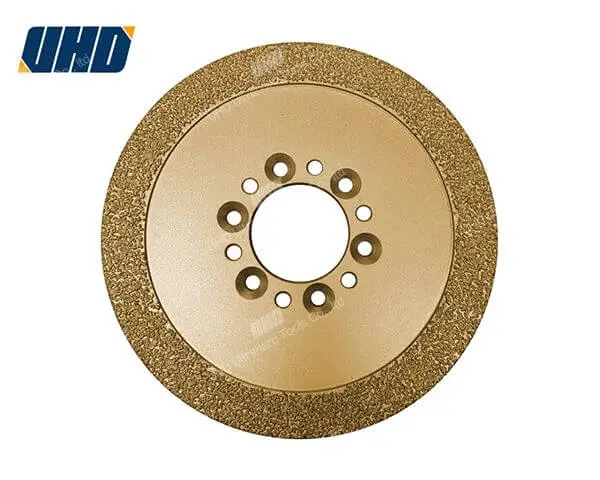
This article delves deep into the application strategies of 400mm brazed diamond saw blades in both dry and wet cutting modes. For different construction environments and material characteristics, it elaborates on the applicable scenarios, advantages, and key considerations of these two modes.
Dry cutting is a viable option in environments without a water source. It offers convenience and flexibility, especially in remote construction sites. However, it generates more dust and may cause the saw blade to overheat, which can reduce the blade's lifespan. On the other hand, wet cutting uses coolant to keep the saw blade cool, preventing overheating and reducing wear. It also helps in controlling dust, making it a cleaner option.
In construction projects involving hard materials such as granite or concrete, wet cutting is often preferred. For example, in a large - scale building facade project, using wet cutting can ensure a smooth cutting surface and extend the saw blade's life by up to 30% compared to dry cutting. In contrast, for small - scale DIY projects or in areas where water supply is difficult, dry cutting can be a practical choice.
| Cutting Mode | Advantages | Disadvantages |
|---|---|---|
| Dry Cutting | No need for water source, high flexibility | More dust, potential overheating |
| Wet Cutting | Cooler blade, less wear, dust control | Requires water source and coolant management |
Proper coolant management is crucial in wet cutting. The coolant not only cools the saw blade but also lubricates the cutting process. In terms of dust control, a well - designed dust collection system can significantly reduce the amount of airborne dust in both dry and wet cutting operations. For equipment protection, regular maintenance and inspection can prevent premature wear and damage.
In a large - scale stone processing factory, when cutting marble slabs, wet cutting was adopted to prevent the saw blade from overheating. This decision was based on the high - volume production and the need for a high - quality cutting surface. As a result, the saw blade's replacement frequency decreased by 25%, and the overall production efficiency increased by 20%.
To help users quickly choose the best cutting solution, we provide a three - step decision - making method and a simple flow chart. First, consider the availability of water. Second, evaluate the material type and hardness. Third, think about the dust control requirements. By following these steps, users can make an informed decision.
Ready to enhance your cutting efficiency and extend the life of your saw blade? Explore our high - quality 400mm brazed diamond saw blades at CTA - URL and take your construction and stone processing projects to the next level!

 285
|
285
|
 400mm diamond saw blade
dry and wet cutting selection
brazed diamond saw blade
construction site cutting
saw blade usage tips
400mm diamond saw blade
dry and wet cutting selection
brazed diamond saw blade
construction site cutting
saw blade usage tips
 206
|
Brazed diamond saw blades
Gray iron cutting
Ductile iron saw blades
Industrial saw blade comparison
High - efficiency cutting tools
206
|
Brazed diamond saw blades
Gray iron cutting
Ductile iron saw blades
Industrial saw blade comparison
High - efficiency cutting tools
 123
|
ZS400H Brazed Diamond Saw Blade
Industrial Manufacturing
Cutting Saw Blade
Cost Reduction and Efficiency Improvement
Customer Case Study
32
|
stainless steel cutting
high-performance diamond saw blade
brazed diamond blade
cutting parameter optimization
diamond blade maintenance
123
|
ZS400H Brazed Diamond Saw Blade
Industrial Manufacturing
Cutting Saw Blade
Cost Reduction and Efficiency Improvement
Customer Case Study
32
|
stainless steel cutting
high-performance diamond saw blade
brazed diamond blade
cutting parameter optimization
diamond blade maintenance
 216
|
400mm concrete saw blade
concrete cutting blade selection
brazed diamond blade advantages
construction cutting tools
dry vs wet cutting
216
|
400mm concrete saw blade
concrete cutting blade selection
brazed diamond blade advantages
construction cutting tools
dry vs wet cutting