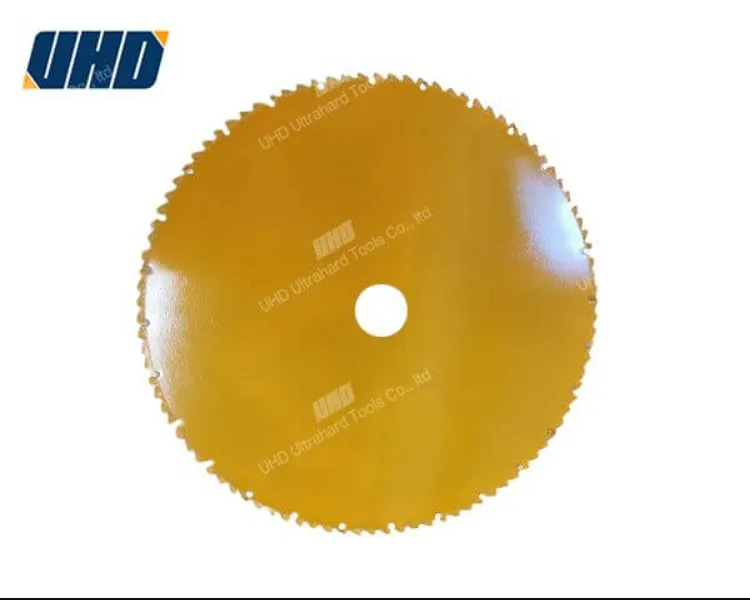
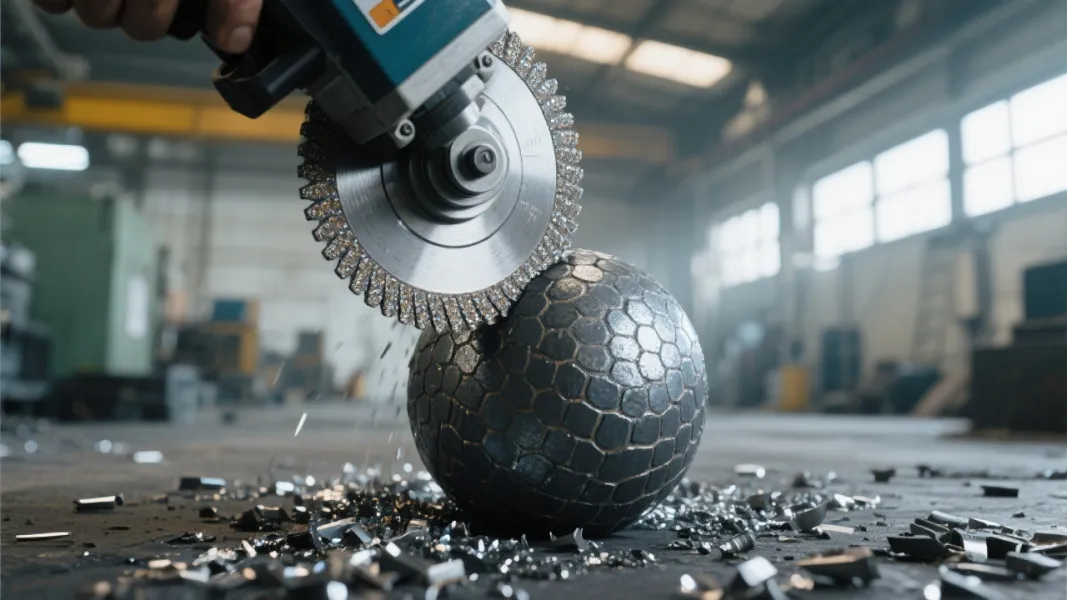
In construction sites and stone processing plants, selecting the correct cutting method for your 400mm brazed diamond blades isn’t just about efficiency—it’s about safety, blade longevity, and project timelines. Whether you're working with granite, marble, or concrete, understanding when to use dry cutting versus wet cutting can save thousands in tool replacement costs and reduce downtime.
According to industry data from the International Association of Stone Technologists (IAST), over 65% of premature blade failures occur due to improper cooling methods—not material hardness alone. Here’s what matters most:
| Cutting Method | Best For | Avg. Blade Life Extension | Risk Level |
|---|---|---|---|
| Dry Cutting | Low-humidity environments, temporary setups, quick cuts on softer stones | Baseline (no extension) | Medium-High (dust & overheating) |
| Wet Cutting | High-hardness materials, long-duration jobs, precision work | 25–30% | Low (with proper system setup) |
A recent project near Dubai involved cutting reinforced concrete slabs using 400mm brazed diamond blades. Initially, crews used dry cutting due to lack of water access—resulting in rapid blade wear after only 12 hours. After switching to a portable water-cooling unit, blade life increased to 18–20 hours per blade, saving $1,200+ per week in tool replacement costs.
This case highlights why many contractors now adopt hybrid strategies: dry cutting for initial rough cuts, then wet for final finishing passes—a smart balance between speed and durability.
Need reliable 400mm brazed diamond blades that perform consistently across both dry and wet conditions? Our high-quality brazed blades are engineered with advanced heat-resistant coatings and optimized tooth geometry—ideal for global contractors who demand performance without compromise.
Get Your High-Performance Blades Today
 235
|
235
|
 Brazed diamond saw blade
High-hardness material cutting
400mm saw blade
Wear-resistant cutting tool
Building and stone processing saw blade
Brazed diamond saw blade
High-hardness material cutting
400mm saw blade
Wear-resistant cutting tool
Building and stone processing saw blade
 243
|
["industrial diamond cutting tools"
"customized diamond cutting solutions"
"high-precision metal machining tools"
"durable industrial cutting equipment"
"enhancing production efficiency with advanced cutting tools"]
243
|
["industrial diamond cutting tools"
"customized diamond cutting solutions"
"high-precision metal machining tools"
"durable industrial cutting equipment"
"enhancing production efficiency with advanced cutting tools"]
 415
|
Concrete cutting saw selection
400mm saw application scenarios
Advantages of brazed diamond saws
Stone cutting tool recommendations
Construction equipment selection
415
|
Concrete cutting saw selection
400mm saw application scenarios
Advantages of brazed diamond saws
Stone cutting tool recommendations
Construction equipment selection
 185
|
ZS400H brazed diamond blade
industrial manufacturing
cutting blades
enterprise competitiveness
high-performance cutting tools
eco-friendly cutting blades
403
|
stainless steel cutting efficiency
diamond saw blade selection
brazed diamond saw blades
cutting parameter optimization
diamond grit technology
185
|
ZS400H brazed diamond blade
industrial manufacturing
cutting blades
enterprise competitiveness
high-performance cutting tools
eco-friendly cutting blades
403
|
stainless steel cutting efficiency
diamond saw blade selection
brazed diamond saw blades
cutting parameter optimization
diamond grit technology